




Subaru's Redesigned 2014 Forester
The redesigned 2014-MY Subaru Forester is the fourth generation of the five-passenger crossover SUV. This model is currently being utilized by fleets in the pharmaceutical, insurance, medical equipment, food service, and television news industries.

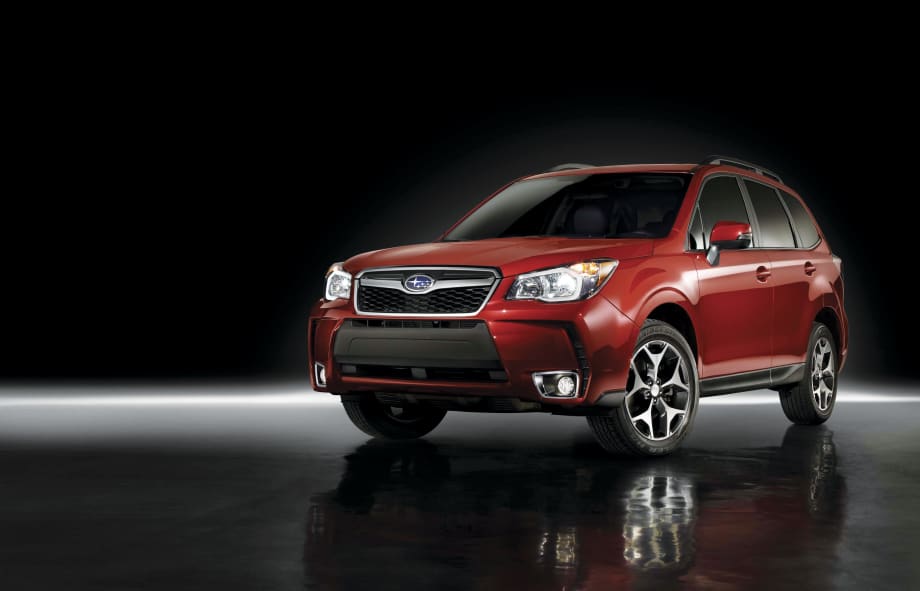
Photo courtesy of Subaru.

Photo courtesy of Subaru.
The 2014-MY Subaru Forester is the fourth generation of the five-passenger crossover SUV. The automaker has totally redesigned the Forester for the 2014 model-year, and offers an all-new, 2.5L, four-cylinder naturally aspirated BOXER engine (badged 2.5i), which achieves 170 hp. An additional 2.0L direct-injection turbocharged BOXER engine, which produces 250 hp, is available. Additionally, the Forester comes standard with Subaru Symmetrical all-wheel drive.
This model is currently being utilized by fleets in the pharmaceutical, insurance, medical equipment, food service, and television news industries.
"Feedback from drivers continues to be very positive. I drove my department's Forester from Birmingham, Ala., to Greensboro, N.C. It was a smooth ride, achieving 32 mpg. And, so far, no recalls or quality complaints! Please, thank your engineers," noted a fleet manager who wished to remain anonymous.
For 2014, the 2.5i model is available in Base, Premium, Limited, and Touring versions, and offers the choice between a new, 6-speed manual transmission and the Subaru Lineartronic continuously variable (CVT) transmission.
The turbocharged 2.0XT is offered in Premium and Touring trims. A high torque version of the CVT is standard in the 2.0XT, featuring 6- and 8-speed manual shift models with steering wheel paddle switches.
For 2014, the Subaru Forester is built on a new platform, which features a 0.9-inch longer wheelbase (now 103.9 inches). Vehicle length has been increased by only 1.4 inches and width by 0.6 inches.
The interior features extended rear seat legroom (41.7 inches), and maximum rear cargo area room is 74.7 cu. ft. (with the 60/40 seats lowered). The new model also has 8.7 inches of ground clearance, and has reduced side sills 2 inches lower for easier ingress and egress.
Finally, the 2014-MY Forester achieves up to 32 mpg highway for the 2.5i with CVT, according to the manufacturer.
New safety features for all 2014 Forester models include anti-whiplash front seats, a driver's knee air bag, brake override and an impact-sensing fuel system cutoff. All 2014 Forester models feature the new electronic power assisted steering system, which helps contribute to increased fuel economy, according to Subaru.
In addition to standard all-wheel drive, high-line 2014-MY Forester models equipped with the CVT also feature new X-Mode control for the symmetrical all-wheel drive and hill descent control to provide extra control in certain driving conditions.
The Subaru Forester has achieved numerous awards, including the 2014 Motor Trend Sport/Utility of the Year, a IIHS 2013 Top Safety Pick+ Rating, and was named the top scoring SUV by Consumer Reports for 2013.
The 2014-MY Forester remains a popular and high-selling model, despite an earlier than normal order cutoff date that occurred, according to the automaker. The upside will be spring order acceptance of the 2015-MY Forester, which features increased availability of a back-up camera and the EyeSight driver assistance option. The mid-size Subaru Legacy sedan and Outback CUV are currently available as compliments to the Forester.
More Operations

Avis Budget Group Deploys Neology Toll Management Technology Across Major Brands
Neology’s neoFleet platform will manage toll transactions and toll-authority operations for vehicles across Avis, Budget, Payless, Budget Truck and Zipcar.
Read More →
Fleet Personal-Use Charges Edge Higher in 2026
Nearly eight in 10 surveyed fleets allow personal use of company vehicles, while just over half of respondents report charging employees for the privilege.
Read More →
The Future of Fleet + What’s Changing Right Now | AF News Recap
Could developments overseas offer a preview of what’s coming for U.S. fleets? This week, we’re looking at the future of AI, autonomy, and electrification, plus Ford Pro’s new certified pre-owned program, smarter vehicle offboarding, and a new way for fleets to manage toll expenses.
Read More →
How to Handle Vehicle Offboarding
What do fleet managers need to do when a driver leaves?
Read More →
Fleet Manager’s Ultimate Playbook: Navigating the New Standard in OEM Connectivity
Rising operating costs, driver safety concerns, and unplanned downtime are putting unprecedented pressure on modern fleets. Discover how fleet managers use embedded OEM connectivity and real-time vehicle data to cut TCO, prevent downtime, and protect drivers without aftermarket telematics hardware.
Read More →
U.S. Bank Adds Verra Mobility Toll Management to Voyager Fleet Platform
The integration allows U.S. Bank Voyager fleet customers to manage toll payments and violations alongside fuel, EV charging and maintenance expenses.
Read More →
ADAS Prevents Crashes. But Repairs Cost More | AF News Recap
ADAS-equipped vehicles may crash less often, but they can cost more when they do. This week, we’re breaking down what that tradeoff means for fleets, plus Subaru’s first Forester Wilderness Hybrid, Nissan’s new e-POWER Rogue, and why Calstart has become Catalyst Mobility.
Read More →
Moventum Fleet Management Names Mark Iorillo Head of Sales
Iorillo brings nearly 20 years of fleet management and sales experience to the role, including previous positions at Element Fleet Management, CEI, Donlen and Ryder.
Read More →
Fleet Has a Talent Pipeline Problem. What Comes Next? | AF News Recap
Where will fleet’s next generation of leaders come from? This week, we’re looking at the industry’s talent pipeline, what certification can add to a fleet career, how to build an award-worthy track record, and the return of Automotive Fleet’s Personal Use Survey.
Read More →
Smith System Launches Driver Risk Management Program
Fleets have more driver data than ever, but identifying risky behavior doesn't necessarily correct it. Smith System's new Driver Risk Management program combines monitoring, training, and follow-up coaching to help fleets connect risk signals with driver intervention.
Read More →