




Stretching Every Gallon in Vermont
Vermont Clean Cities Coalition is helping fleets boost fuel economy through driver training.
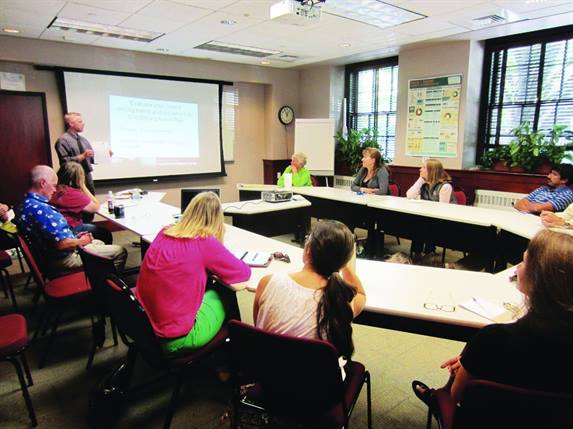
Vermont Clean Cities Coalition (VTCCC)’s Tom McGrath (standing) presents a fuel economy workshop to employees of the City of Burlington, Vt.
Tucked between the Adirondack and Green Mountain ranges at the edge of Lake Champlain, the University of Vermont in Burlington, Vt., is never short on inspiration to keep its transportation options clean and green.
The University whisks its 13,000 students around campus and into downtown Burlington on a fleet of nine compressed natural gas (CNG) buses and one diesel-electric hybrid. And, within its Transportation Research Center, the Unversity of Vermont hosts the Vermont Clean Cities Coalition (VTCCC), which works with the general public and fleets throughout the state to reduce petroleum use and cut vehicle emissions.
“It’s such an exciting time to be working on transportation issues,” VTCCC Coordinator Tom McGrath said. “There’s an increasing awareness that we need to change our country’s approach to transportation, and there’s so much going on technologically to help us do it. I feel like the work we do as a Clean Cities coalition to build momentum at the local level is really important, because that’s where things need to start.”
Fuel economy is one arena where the VTCCC is making great strides. McGrath has personally led approximately 30 fuel-economy workshops, coaching more than 500 Vermonters on driving behaviors that maximize fuel economy. Fleets that have participated in the trainings include Central Vermont Public Service and the City of Burlington.
VTCCC’s Coordinator Tom McGrath, Intern Allie Evarts, and UVM Transportation and Parking Services Director Jim Barr display one of the University of Vermont’s compressed natural gas (CNG) buses.
During the workshops, McGrath cautions against speeding and jackrabbit starts, calls attention to unnecessary idling, and encourages use of overdrive gears. Following a classroom presentation, students participate in hands-on experiments to test their newfound skills. They hit the road with driver feedback devices that plug into onboard diagnostics systems to provide instantaneous fuel economy readings and measure the fuel economy of any given trip. Drivers receive real-time reminders that aggressive acceleration causes fuel economy to plummet, and that an idling vehicle gets 0 mpg.
“Many people don’t necessarily know or think about how their driving habits can affect fuel efficiency. Research has shown that providing drivers with feedback increases awareness and reinforces fuel-efficient behaviors,” McGrath said.
More Green Fleet
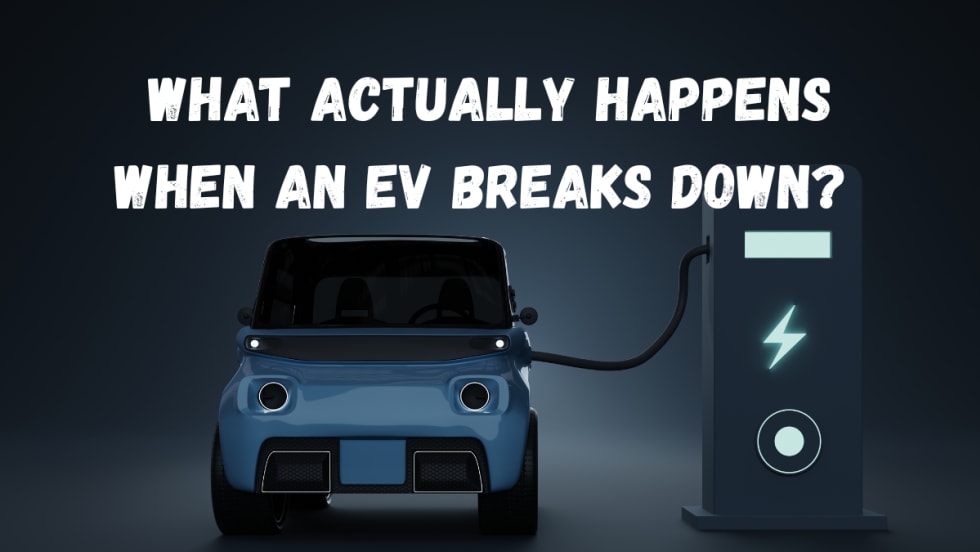
The EV Breakdown Nobody's Talking About: Why Most Electric Vehicle Roadside Calls Aren't Mechanical Failures
Here's why EV breakdowns are widely misunderstood.
Read More →
ChargePoint Now Available in Energy Pass
ChargePoint and additional planned charging network integrations were added to GM's Energy Pass.
Read More →
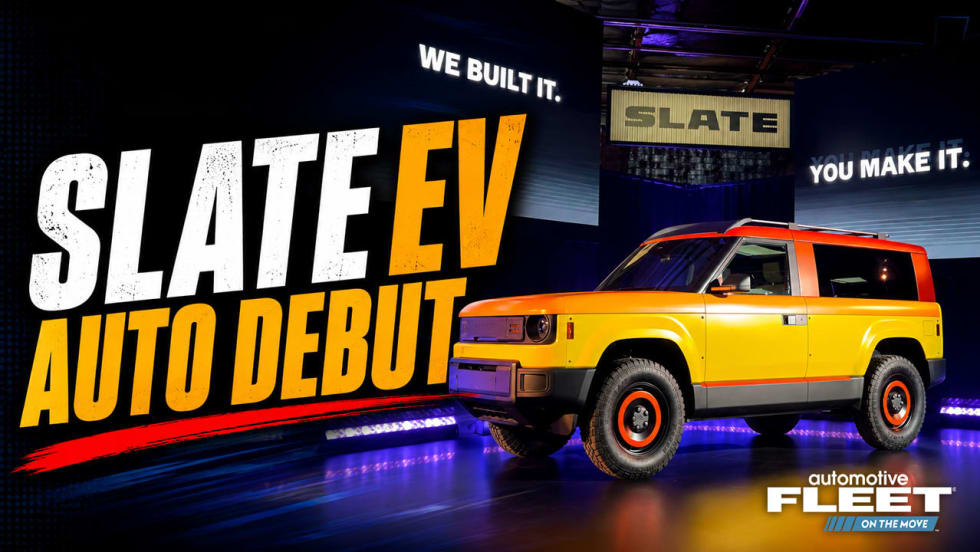
First Look: Slate Auto's Electric Fleet Pickup
Could an affordable, modular EV pickup make electrification more practical for fleets?
Read More →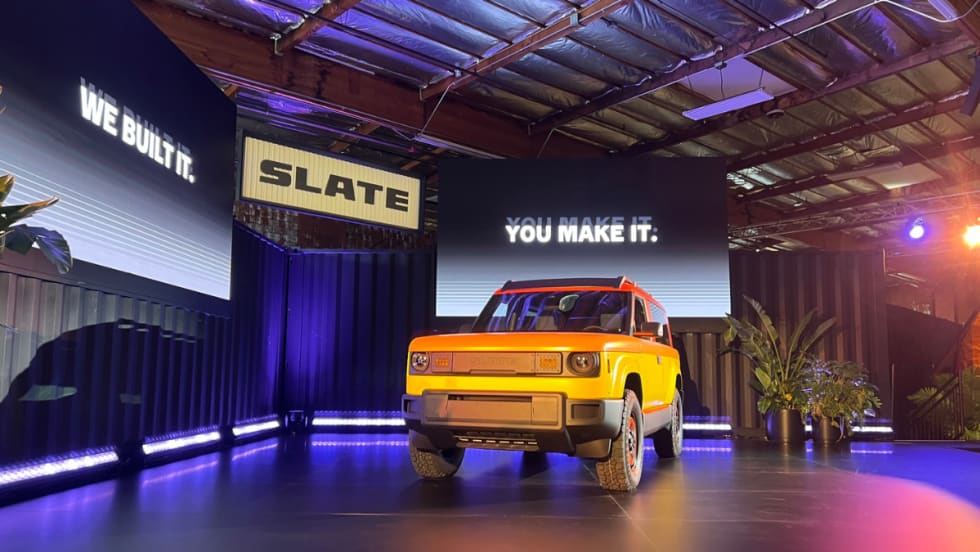
Slate Debuts Colorful, Unique EV Models
A recent media and client event, studded with electric vehicles dressed up on platforms, planted a new position for the manufacturer in the wider EV market. Fleets will find cost-saving advantages.
Read More →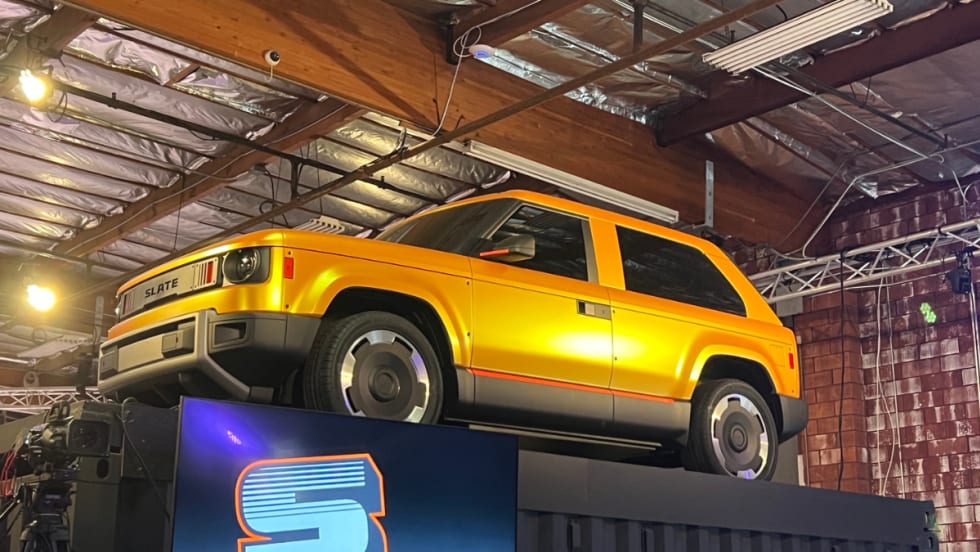
Slate Electric SUV, Pickup Switchable Model Aims For Light-Duty Fleets
Everything about this EV is counterintuitive and understated, making it stand out from the crowd.
Read More →
Inspiration Mobility Acquires Key Electrada Assets
Inspiration Mobility Group has acquired select assets of Electrada, adding the fleet electrification provider's team, technology, and charging infrastructure development capabilities to its energy management business.
Read More →
Turning Connected Vehicle Data Into Decisions That Matter
Fleet leaders have more data than ever, but turning that data into clear, actionable decisions remains a challenge. This white paper shows how leading organizations are using connected vehicle data to improve safety, reduce costs, and optimize fleet performance. Learn how to turn insight into action across your fleet.
Read More →
Are You Tracking Your Fleet's True Total Cost of Ownership?
Bobit Business Media surveyed 190 fleet professionals and found that while most fleets are tracking costs, fragmented systems and data gaps are keeping true TCO visibility out of reach. With rising pressure to control spend in an increasingly volatile environment, the gap between what fleets think they know and what the data actually shows is wider than you might expect. See how your peers are managing costs today and where the industry still has room to improve.
Read More →
Hybrids: Electrification Without the Challenges
For fleet managers, fuel is one of the biggest line items in the budget — and it's one hybrids can shrink without changing how your people work. Download the eBook to see the numbers, understand the technology, and get a step-by-step guide to making the switch.
Read More →