




Stop-Start Engine Technology for 2015-MY
Chrysler Group is offering fuel-saving engine stop-start (ESS) technology as standard equipment on certain models of the 2015 Jeep Cherokee mid-size SUV and all-new 2015 Chrysler 200 mid-size sedan.
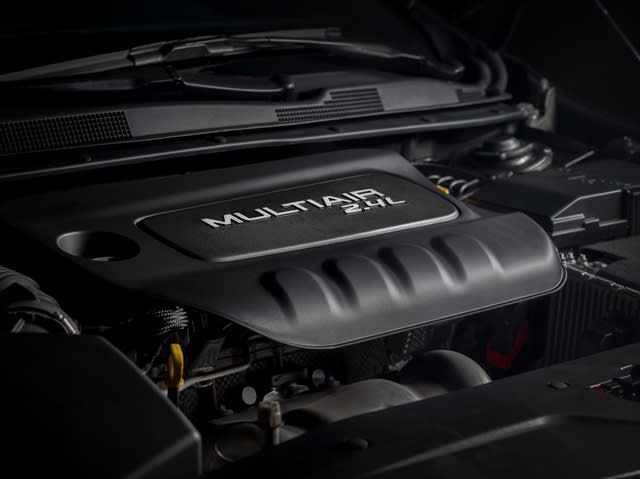
Chrysler Group is offering fuel-saving engine stop-start (ESS) technology as standard equipment on certain models of the 2015 Jeep Cherokee mid-size SUV and all-new 2015 Chrysler 200 mid-size sedan. Chrysler 200 customers who opt for the 2.4L Tigershark I-4, and Jeep Cherokee customers who choose the available 3.2L Pentastar V-6 will experience estimated fuel-economy improvements of up to 3 percent, compared with the conventional vehicle-engine pairings and according to Chrysler. ESS applications in the Chrysler 200 and Jeep Cherokee will account for an estimated C02 emissions-reduction of up to 3 percent.
At the heart of ESS is a high-speed/high-durability starter that reduces crank time, culminating in quicker restarts. Its function is regulated by algorithms that act on a vehicle’s powertrain and chassis components. As a result, acceleration is always aligned with driver inputs.
As of press time, availability in the Jeep Cherokee is scheduled for third quarter 2014 and fourth quarter in the all-new Chrysler 200. The technology made its NAFTA-region debut in the Ram 1500 full-size pickup. ESS accounts for a 1-mpg city-cycle fuel-economy gain in the Ram.
ESS works this way:
Engine controls constantly monitor vehicle speed.
When the vehicle brakes to a stop, fuel flow is cut and the engine turns off — events that save gasoline and reduce emissions.
Stronger batteries maintain other vehicle systems so in-cabin comfort is unaffected.
When the brake pedal is released, the engine automatically restarts and the 9-speed automatic transmission is engaged within 0.3 seconds.
Related:
Volkswagen's 2.0L Four-Cylinder TDI Clean Diesel Engine
More Green Fleet
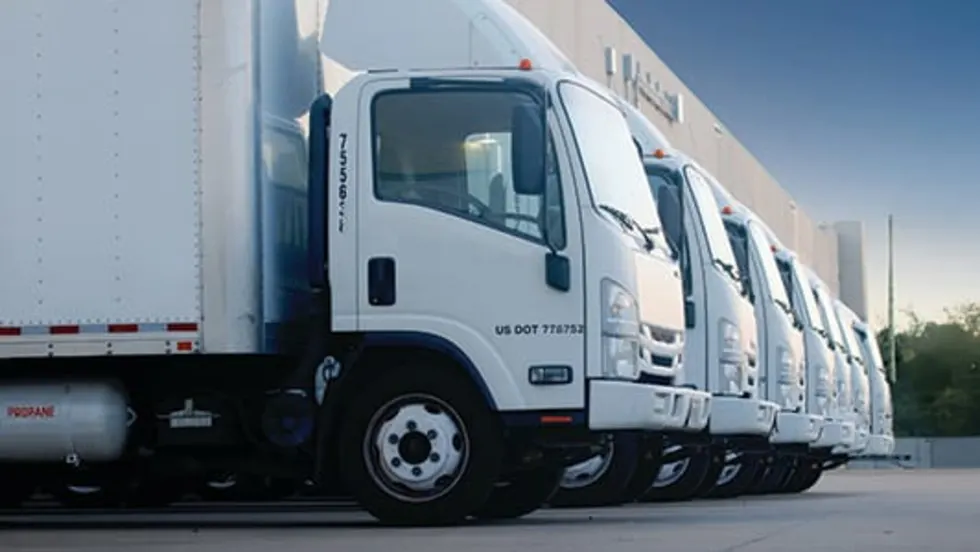
New Propane Autogas Program Offers Fleet Compensation
Qualified commercial fleets can receive $7,500 per eligible propane autogas vehicle and up to $10,000 for new refueling site prep. Learn how the program works and see whether your fleet qualifies.
Read More →
EV Charging Use Is Outpacing Infrastructure Growth
ChargePoint’s 2026 Charging Forward Report points to rising charger use, higher-powered charging, commercial vehicle electrification, and energy-management technology. Here’s what fleets should know.
Read More →
Merchants Fleet Reports 290M EV Miles as Fleets Navigate Changing Electrification Market
From millions in operating savings to hundreds of millions of EV miles, Merchants Fleet’s latest report reveals what’s working and what’s changing in fleet electrification.
Read More →
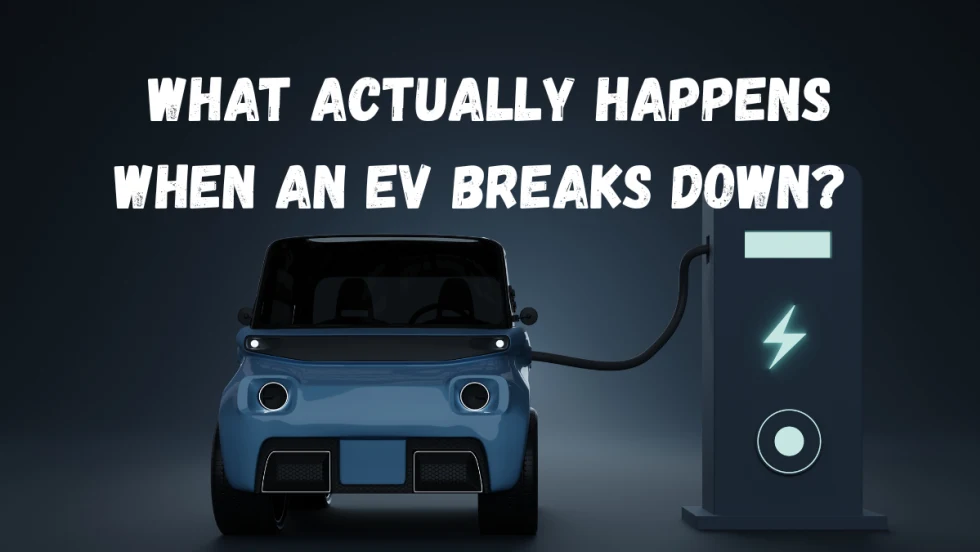
The EV Breakdown Nobody's Talking About: Why Most Electric Vehicle Roadside Calls Aren't Mechanical Failures
Here's why EV breakdowns are widely misunderstood.
Read More →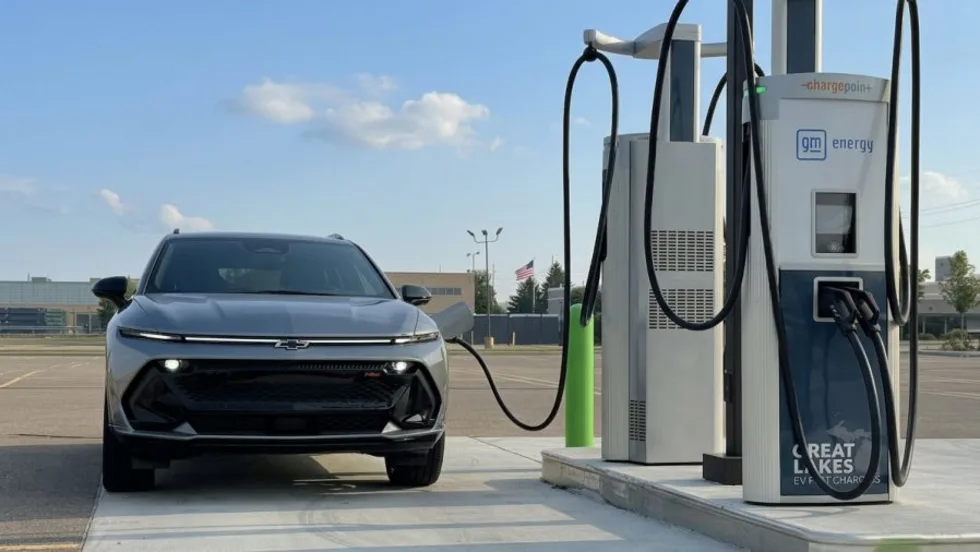
ChargePoint Now Available in Energy Pass
ChargePoint and additional planned charging network integrations were added to GM's Energy Pass.
Read More →

First Look: Slate Auto's Electric Fleet Pickup
Could an affordable, modular EV pickup make electrification more practical for fleets?
Read More →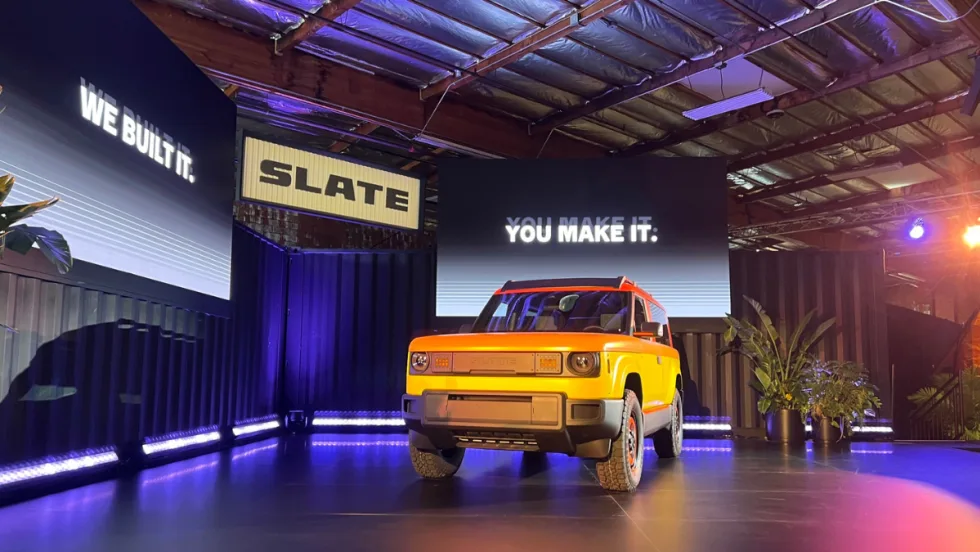
Slate Debuts Colorful, Unique EV Models
A recent media and client event, studded with electric vehicles dressed up on platforms, planted a new position for the manufacturer in the wider EV market. Fleets will find cost-saving advantages.
Read More →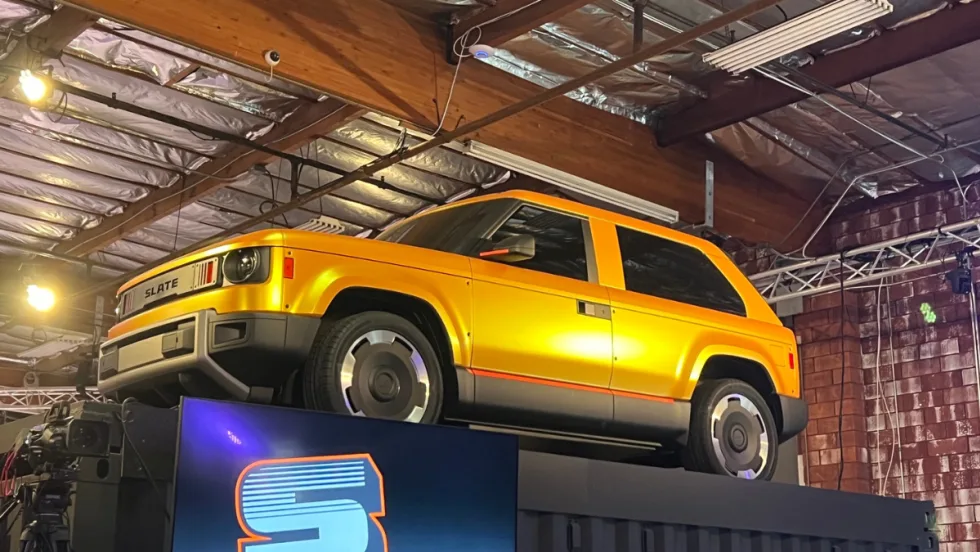
Slate Electric SUV, Pickup Switchable Model Aims For Light-Duty Fleets
Everything about this EV is counterintuitive and understated, making it stand out from the crowd.
Read More →
Inspiration Mobility Acquires Key Electrada Assets
Inspiration Mobility Group has acquired select assets of Electrada, adding the fleet electrification provider's team, technology, and charging infrastructure development capabilities to its energy management business.
Read More →