




Steering Toward Fuel Efficiency: 5 Strategies to Improve Your Bottom Line
With fuel as much as 60% of operating costs, alleviating fuel expense is imperative. Check out these tactics — with statistics to illustrate the savings.
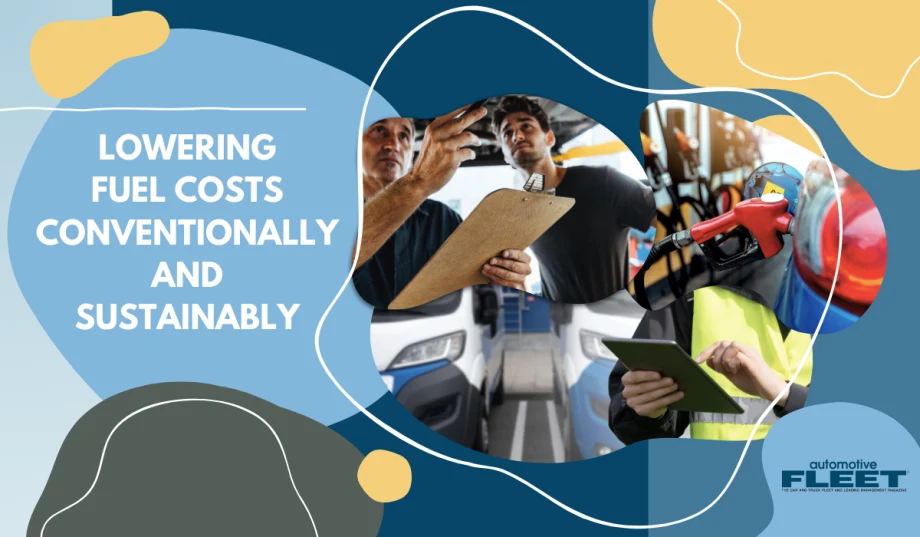
Fleets are adopting more strategic fuel-saving efforts to decrease their overall fuel consumption, leading to lower operation costs.
Photo: Canva/AF
As fuel prices continue to climb, accounting for as much as 60% of total fleet operating costs, fuel efficiency is more important than ever. Every trip to the gas station requires time, energy, and resources to refuel and get back on the road — with a gas station stop adding more than 20 minutes to each trip a vehicle makes for fuel.
Today, fleets are embracing strategic fuel-saving efforts to decrease their overall fuel consumption — from driver training and preventive and routine maintenance to route optimization, telematics, vehicle selection and replacement strategies, and fuel management programs.
Here are strategies to deploy, with statistics to illustrate the potential savings:
1. Adopt a proactive vehicle selection and replacement plan.
Investing in newer vehicles intentionally selected for their specific duty cycle is more fuel-efficient and can significantly reduce short-term and long-term fuel costs.
According to fueleconomy.gov, the average vehicle age on U.S. roads is at a new record high of 12.5 years old. Sources show that newer vehicles can provide an average of 44% savings in miles per gallon.
Alternative fuel strategies, such as electric vehicles, natural gas vehicles, biofuel vehicles, and hydrogen fuel cell vehicles can also reduce fuel consumption and promote sustainability in the transportation sector.
2. Practice proactive and routine maintenance.
Regular oil changes, tire pressure checks, and engine tune-ups are vital to keeping vehicles running efficiently and optimally consuming fuel.
Fuel economy can improve by 1% to 2% using the manufacturer's recommended grade of motor oil. For example, using 10W-30 motor oil in an engine designed to use 5W-30 can lower MPG by 1% to 2%. Using 5W-30 in an engine designed for 5W-20 can lower gas mileage by 1% to 1.5%, according to FuelEconomy.gov.
In addition, reducing unnecessary engine idling will help get the most out of a vehicle engine oil’s lubricating quality. Every hour of engine idling is roughly equal to 30 miles driven in terms of engine oil wear and breakdown. When engine oil breaks down, its ability to reduce friction is diminished, leading to increased fuel usage and eventually engine damage if ignored.
Routinely checking tire pressure has its benefits, too. Fuel economy can be improved by 0.6% to 3% on average by keeping tires inflated to the proper pressure. Under-inflated tires can lower MPG by about 0.2% for every 1 psi drop in the average pressure of all tires, according to FuelEconomy.gov. Plus, properly inflated tires are safer and tend to last longer.
3. Leverage technology to optimize routes.
Considering that Enterprise Fleet Management clients drive over 24.2 billion miles annually across North America, even the slightest improvement will have a meaningful impact. One of the ways that fleet operators achieve efficiencies is by implementing fleet management software that leverages features such as route optimization, avoiding traffic congestion, and reducing unnecessary miles driven.
According to an analysis by global telematics provider Geotab, by driving optimized routes, businesses can increase the number of jobs completed daily and reduce mileage by 15% to 30%, which helps reduce fuel costs.
4. Implement a fuel management program.
A professional fleet management company (FMC) can help set fuel efficiency goals, monitor fuel consumption, and track progress to identify fuel-saving opportunities. An FMC can also help provide real-time data on fuel consumption metrics, allowing fleet managers to make more informed decisions while staying focused on their business. For example, even a 1% improvement on 24.2 billion miles driven annually could result in more than 8.3 million gallons saved (or 73,762 metric tons of CO2) per year.
By using the appropriate fuel card for your fleet, you can track and monitor the fuel purchases of each driver and obtain data on overall fuel consumption. Good data analysis will assist in examining fuel purchases by employee, locations, and price per gallon, giving insight into savings. Customizable or restricted convenience store purchases and control of fuel-only cards for drivers are key fuel card features.
Preventing "leakage" (unauthorized fill ups) is important to any fuel management program. For example, FMC Enterprise Fleet Management combines their telematics and fuel offerings to ensure each vehicle being filled up is in the same location as the transaction.
5. Train up drivers.
Through consistent training, monitoring, and feedback, businesses and organizations can encourage better driving behavior that improves fuel economy, like maintaining a steady speed and avoiding harsh acceleration and braking to increase fuel efficiency.
The impact is notable — according to Geotab, light commercial vehicles can experience a 14% improvement in fuel economy if they reduce hard accelerations.
Overall, fleets will likely find that an optimal solution often requires balancing conventional strategies with those that can reduce environmental impacts most effectively.
More Maintenance

Fleet Manager’s Ultimate Playbook: Navigating the New Standard in OEM Connectivity
Rising operating costs, driver safety concerns, and unplanned downtime are putting unprecedented pressure on modern fleets. Discover how fleet managers use embedded OEM connectivity and real-time vehicle data to cut TCO, prevent downtime, and protect drivers without aftermarket telematics hardware.
Read More →
How Can Fleet Managers Tell Which Repairs Require Closer Review?
Fleetio’s Brianna Perry demonstrates how Service Advisor evaluates maintenance requests, identifies pricing anomalies, and provides the context fleet managers need to focus their attention on potential problems.
Read More →
Why Roadside Assistance Belongs in a Fleet Risk Strategy
Roadside assistance is more than a tow. See how the right partner can protect drivers, uncover fleet trends, and strengthen your risk strategy.
Read More →
Hidden in Plain Sight: Fleet Compliance Risks
Fleet compliance isn't just about having policies — it's about consistently enforcing them. This practical guide reveals six hidden compliance risks common in public sector and shared fleet operations and outlines proven strategies to improve visibility, accountability, and audit readiness
Read More →
How Maintenance Costs Compare Across 27 Fleet Vehicles
Vincentric’s three-year, 60,000-mile projections reveal wide differences for both scheduled and unscheduled maintenance among selected vehicle categories. Projected maintenance visits also play a factor.
Read More →
The EV Breakdown Nobody's Talking About: Why Most Electric Vehicle Roadside Calls Aren't Mechanical Failures
Here's why EV breakdowns are widely misunderstood.
Read More →
How Stellantis Plans to Get Ahead of Fleet Downtime
Keeping fleet vehicles on the road has become as important as buying them. Darren Bradshaw of Mopar North America explains how connected vehicle data, AI, and proactive service strategies are helping Stellantis reduce downtime and move closer to predictive maintenance.
Read More →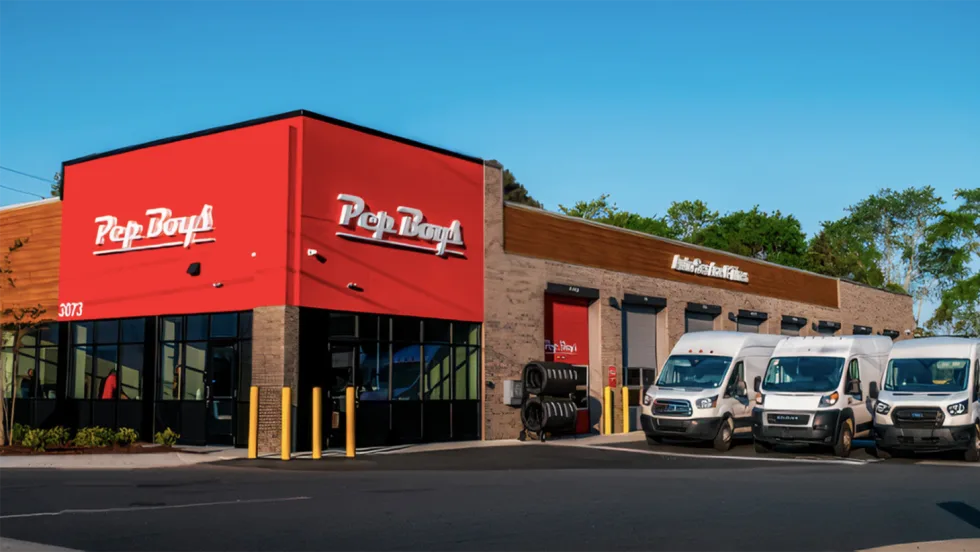
Merchants Fleet Expands Maintenance Network with Pep Boys
Merchants Fleet has expanded its relationship with Pep Boys, increasing the service provider's role within its national maintenance network. The move is intended to enhance maintenance coordination and support commercial fleets through Pep Boys' nationwide footprint.
Read More →
The Two Biggest Summer Downtime Threats for Fleets
A conversation with a maintenance expert reveals the two most common summer maintenance pains and how to prevent them.
Read More →
From Marine Corps Motor Pool to Managing 460 Fleet Vehicles
Cesar Ayala of O’Connell Landscape Maintenance shares how he transitioned from the Marine Corps to managing a 460-vehicle fleet—and the real-world challenges of maintenance, compliance, and driver management in California.
Read More →