





Related: Open Road Tolling: The Safer, Smarter Route for Fleets
Speed & Red-Light Cameras: What Every Fleet Policy Should Cover
Should fleet drivers pay for red-light and speed citations on the job?
November 25, 2025
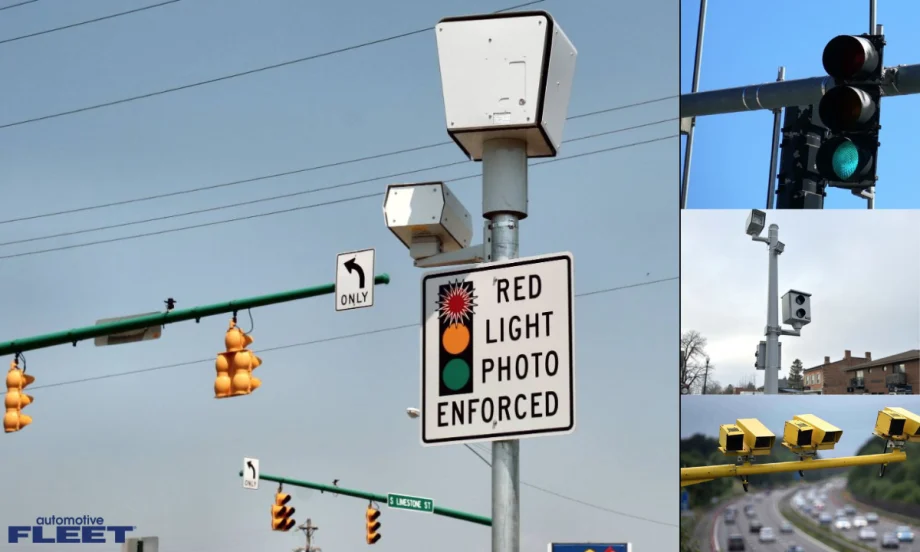
Speed and red-light cameras are flagging drivers now more than ever—here's how fleets can prepare.
Image: Automotive Fleet
8 min to read
Automated enforcement is no longer just a “big city” issue. Fleet managers across the country are dealing
with a growing number of speed and red-light camera citations tied to their company vehicles, and tough
questions from drivers about who should pay.
The best practice in industry is a written policy that explains how these citations are handled, how they
affect a driver’s record, and what they mean for risk and insurance.
Automated Enforcement 101 for Fleets
Red-light cameras capture vehicles that enter an intersection after the signal turns red. Speed cameras
use radar or similar technology to measure vehicle speed and capture plate images when the limit is
exceeded.
In most jurisdictions, these systems generate:
Images/video of the vehicle and license plate
A notice mailed to the registered owner of the vehicle, often the company for fleet units
A due date for payment, and sometimes instructions for contesting or naming the actual driver
States typically justify these programs based on safety outcomes, reducing severe crashes related to
speeding and red-light running. National safety organizations note that speeding played a role in nearly
29% of all U.S. traffic fatalities in 2022.
Where Are Speed and Red-Light Cameras Being Used?
Laws change frequently, but a few trends stand out.
Red-light cameras
A recent nationwide review shows 23 states currently have red-light cameras in at least
some jurisdictions, often limited to certain cities or corridors.
Nine states explicitly prohibit red-light cameras by law (for example, Idaho, Maine, Mississippi, Montana, New Hampshire, South Carolina, South Dakota, Texas, and West Virginia). For fleet operators managing large volumes of interstate travel, these gains translate into fewer incidents, reduced downtime, and safer working conditions for professional drivers.
Speed cameras (Automated Speed Enforcement / ASE)
Many states now allow limited use of speed cameras, especially in school zones, work zones, and high-crash corridors. Some states are expanding programs (for example, California recently approved laws allowing speed cameras in highway work zones and certain safety corridors). Others are debating restrictions or outright bans, particularly on school-zone cameras, citing revenue and fairness concerns.
Because authorities can sit at both state and local levels, two neighboring jurisdictions may have
completely different rules. For fleets operating across multiple states, it’s important to track not only state
law, but city or county ordinances as well. Resources from the Insurance Institute for Highway Safety
(IIHS) and the Governors Highway Safety Association (GHSA) maintains updated state-by-state tables for
both speed and red-light cameras.
How Camera Tickets Work: Fines, Points, and Liability
Who is legally responsible?
Automated enforcement typically creates a civil violation against the registered owner of the vehicle, not
the individual driver. That means:
For fleet vehicles, the company usually receives the citation.
Some jurisdictions allow you to nominate the driver, shifting liability to the individual.
In others, the owner remains responsible for payment even if someone else was driving.
How much do these tickets cost?
Fines vary widely, but common patterns include:
Red-light cameras: Often in the $50–$150 range per violation in many cities, though some states and large metros set higher fines.
Speed cameras: Frequently tiered based on how far over the limit the driver was going; school, zone, and work-zone violations can be higher.
On top of the base fine, there may be:
Administrative or processing fees
Late penalties if the fleet doesn’t respond promptly
Added costs for collections or registration holds if tickets go unpaid
Multiply that across dozens or hundreds of vehicles, and the impact on a fleet budget adds up quickly
A key question for fleets is whether camera citations result in driver’s license points or appear on the
motor vehicle record (MVR). In many jurisdictions (for example, red-light cameras in parts of New York), automated tickets are treated as civil violations with no points and no impact on insurance, and the liability is attached to the vehicle owner.
In others, particularly where the ticket is treated like a standard moving violation, it may carry
points or be reportable.
Because MVRs are central to fleet risk management, you’ll want to confirm in each jurisdiction where you
operate:
Is the ticket civil or criminal?
Does it add points?
Is it reported to the state DMV, and therefore visible to insurers or your MVR pull service?
Insurance Implications for Fleets
Even when camera citations don’t generate points, they still matter:
If they DO hit the MVR, they can increase perceived driver risk. A single moving violation may
lead to a 10–30% insurance premium increase for an individual policyholder, and repeated
violations can have a cumulative effect for commercial fleets.
If they don't hit the MVR, your insurer may never see them, but you will. A pattern of speed or
red-light violations is a strong leading indicator of crash risk, even if the state doesn’t assign
points.
For that reason, many fleets treat automated enforcement data as another piece of risk intelligence,
alongside telematics alerts, crash history, and driver observation.
Special Considerations for Rental Vehicles
Automated enforcement becomes even more complicated when a driver is operating a rental vehicle for
business travel, temporary fleet needs, maintenance downtime, or accident replacement. In these cases,
the rental car company, not the fleet, receives the speed or red-light camera citation, and the billing
practices can vary widely. All vehicles are equipped with active transponders or toll accounts in relevant
states.
How Rental Car Citations Work
When a rental vehicle is captured by a speed or red-light camera:
The rental company receives the citation first.
They use the rental agreement to identify the responsible renter (individual or business).
Depending on the contract and jurisdiction, the rental company may:
Automatically charge the company credit card on file for the fine plus an administrative fee
(commonly $25–$75).
Send an invoice or payment link directly to the driver. Forward the citation to the company for payment.
If the rental company pays the citation and then bills the fleet, the fleet may have less time to contest the violation. Because of these variations, your policy needs to clarify who pays, how charges are handled, and how drivers should report these notices.
The Policy Question: Who Should Pay?
Every fleet has to answer the “who pays” question. Common approaches include:
Driver-Pays Model
Default rule: Drivers are financially responsible for fines and fees incurred while operating a company vehicle, including automated enforcement, unless prohibited by law.
Pros: Strong accountability signal to drivers; aligns cost with the person who controlled the
behavior.Cons: Administration can be complex (tracking drivers, wage-deduction rules, disputes). It may be seen as punitive if violations are marginal or signage is unclear.
Company-Pays with Accountability
The company pays all citations to avoid late fees or registration holds, but:
Logs every event to the driver’s record,
Requires coaching or remedial training after X number of violations, and
May pass costs on after repeat offenses.
Pros: Operationally smoother; easier for national fleets with centralized billing.
Cons: Risk that drivers view tickets as “just a company cost” without personal consequence.
Hybrid / Context-Based Approach
Company pays when:
The ticket appears erroneous, and the fleet chooses to contest. or
The driver was acting under explicit company direction (e.g., time-critical emergency response
within policy).The driver pays in all other routine circumstances.
Pros: Flexibility for special situations; maintains individual responsibility in everyday driving.
Cons: Requires consistent criteria to avoid perceptions of favoritism.
Whatever model you choose, the key is to spell it out clearly in your policy and to apply it consistently.
(Note: Payroll deductions and reimbursement requirements are subject to federal and state wage laws.
Always have HR and legal review your policy.)
Key Elements to Include in Your Fleet Policy
You can add a concise section titled “Automated Enforcement (Speed and Red-Light Cameras)” to your
existing fleet policy. Consider including:
Definition: What counts as an automated enforcement violation (speed, red-light, school-zone, work zone, etc.).
Driver Responsibility: Whether drivers are responsible for fines and fees, and under what circumstances.
Requirement to promptly report any citation received directly, including those tied to
personal use of a fleet vehicle.Notification Process: How the company will identify the responsible driver (vehicle assignment logs, telematics, dispatch records).
Timelines: e.g., driver must acknowledge notice within X days.
Payment & Payroll Handling: How payment is made (company first, then reimbursement; or driver pays directly). Any limits or conditions on payroll deduction where legally allowed.
Coaching and Corrective Action: When a single event triggers coaching versus when multiple events trigger formal disciplinary steps. Requirements for refresher training or behind-the-wheel coaching after repeated violations.
Contesting Citations: How drivers can request that the company contest a citation (for example, if they believe the vehicle or plate was cloned, or if signage was deficient). Clarify that the company will decide whether to contest based on the evidence and cost-benefit.
Tie-in to Safety Culture: Emphasize that the purpose is crash and injury prevention, not simply revenue recovery.
Using Camera Data as a Coaching Tool
Regardless of who pays, fleets can get more value by using camera violations as conversation starters,
not just invoices:
Integrate them into driver scorecards, along with telematics harsh-braking or speeding events.
Use them to trigger behind-the-wheel coaching or ride-along evaluations with a professional
instructor.Reinforce route planning and time-management so drivers don’t feel pressured to “beat the light” or speed between stops.
As automated enforcement continues to expand nationwide, fleets that proactively define their policies will
be better positioned to manage risk, control costs, and improve driver accountability. A clear, consistently
applied policy turns citations from a surprise expense into actionable safety insight.
Subscribe to Our Newsletter
More Vehicle Research
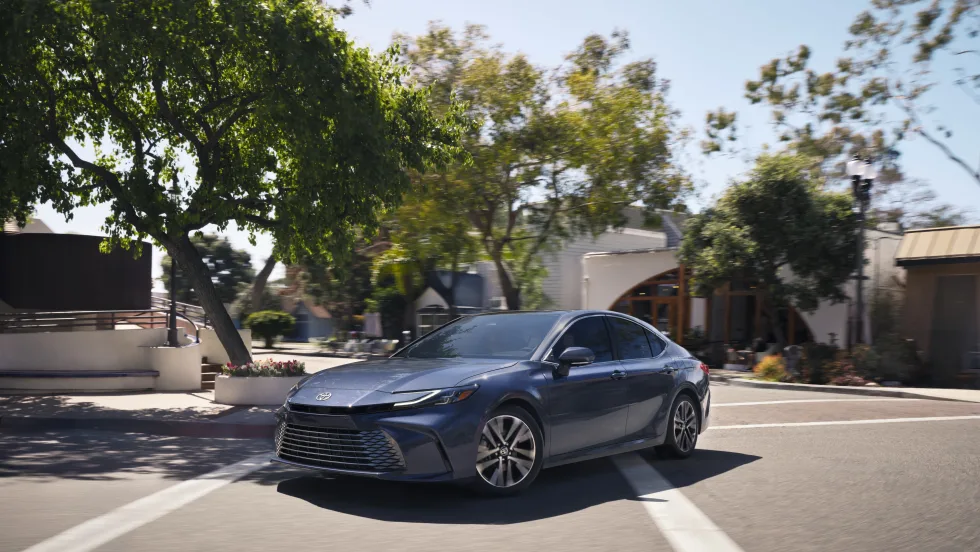
2027 Toyota Camry Offers Hybrid Powertrain Across Five Grades
The 2027 Toyota Camry is a carryover with new pricing.
Read More →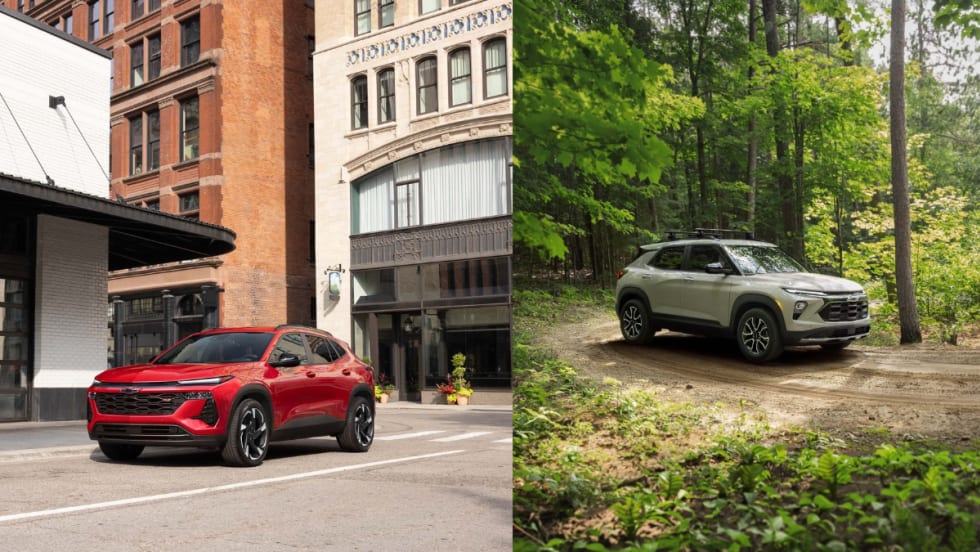
Chevrolet Updates 2027 Trax and Trailblazer with More Standard Safety Features
Chevrolet is updating two of its smallest SUVs with added driver-assistance technology, redesigned interiors, and revised trim options. The changes could add more safety equipment as standard for commercial fleets, while a new Trailblazer configuration adds another all-wheel-drive option.
Read More →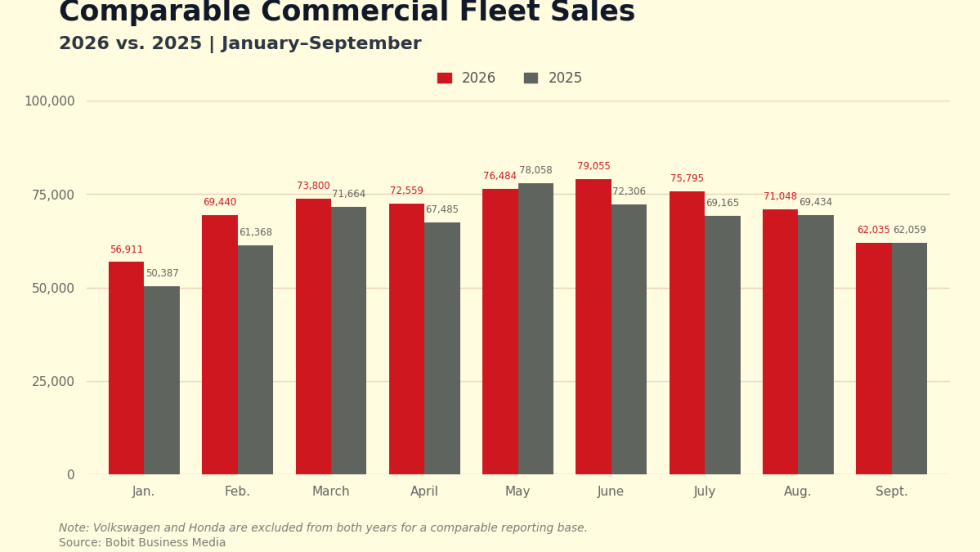
Commercial Fleet Sales Rise 5.8% Through September 2026
September commercial fleet sales were essentially unchanged from a year earlier, slowing year-to-date growth while keeping volume ahead of 2025.
Read More →
Hall of Fame Inductee: John Dmochowsky
The longtime Mondelēz International fleet executive joins the Automotive Fleet Hall of Fame.
Read More →
Hall of Fame Inductee: Lee Miller
After more than four decades at Boehringer Ingelheim, Lee Miller leaves a legacy built on fleet expertise.
Read More →
Hall of Fame Inductee: Mark F. Petersen
From managing fleets of thousands of vehicles to advancing safety and mentoring fellow professionals, Mark F. Petersen made his mark across both the corporate and supplier sides of fleet.
Read More →
When Charger Downtime Becomes a Fleet Availability Problem
As EV deployments move beyond pilot programs, charger reliability can directly affect vehicle readiness, driver productivity and route scheduling.
Read More →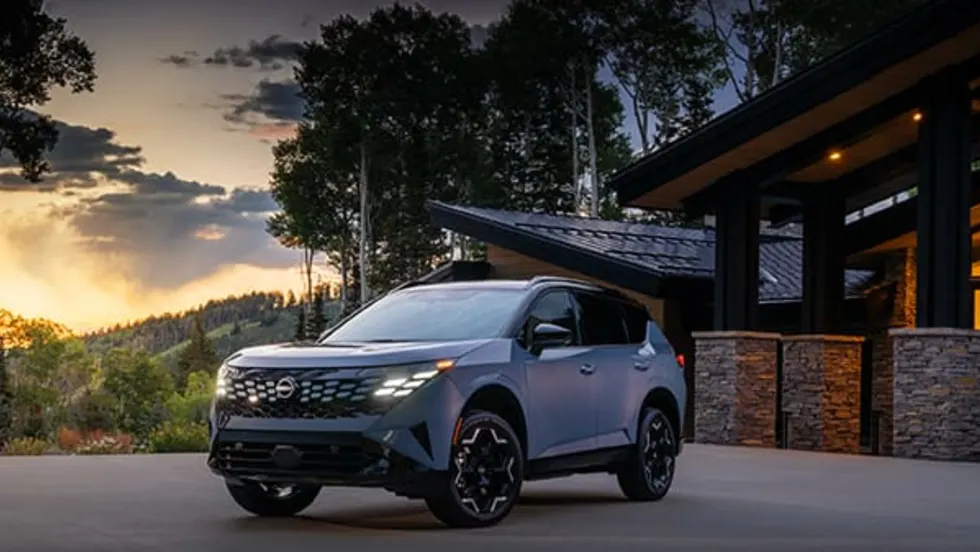
2027 Nissan Rogue Hybrid Adds e-POWER, Standard AWD
The new Rogue Hybrid uses Nissan’s e-POWER system with dual electric motors, offers an estimated 40 mpg and starts at $35,490.
Read More →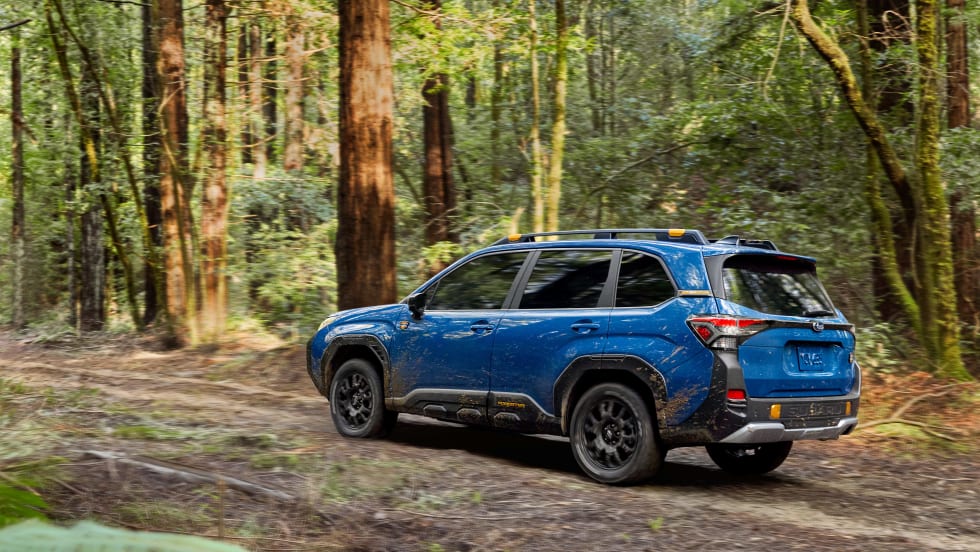
2027 Subaru Forester Adds First Wilderness Hybrid
The 2027 Forester lineup starts at $29,995 and adds a Wilderness Hybrid with 194 combined horsepower and 9.3 inches of ground clearance.
Read More →
EV Realty Names Henrik Holland President as Charging Platform Expands
The former Prologis Mobility and Shell executive will help expand EV Realty’s truck charging business and move its power-first infrastructure model into autonomous vehicle depots and other fleet sectors.
Read More →