




Snohomish County Reduces Emissions Through Diesel Retrofits and Biodiesel
Bolstered by Washington state funding, Snohomish County officials have enhanced efforts to reduce greenhouse gas emissions from fleet vehicles. The county’s green initiatives also include increased use of biodiesel.
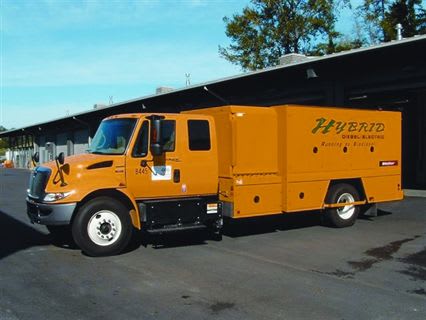
With the help of state grants, Snohomish County, Wash., fleet officials are aggressively tackling environmentally responsible practices, which include retrofitting diesel-powered vehicles and increasing biodiesel use throughout the fleet.
132 Vehicles Retrofitted
Since 2005, Snohomish County has retrofitted 132 diesel vehicles with diesel oxidation catalysts (DOC), reducing greenhouse gas (GHG) emissions. Turning over the fleet with 2007 and newer diesel-powered engines, certified for biodiesel use, achieved additional gains in GHG reduction.
In 2005, the County secured a grant from the Puget Clean Air Agency to retrofit 24 fleet vehicles with DOCs. In 2006, the state's Department of Ecology Heavy Duty Diesel Retrofit Program awarded the County a $187,800 grant, valid through June 30, 2009. The County used the DOE grant to retrofit an additional 108 fleet vehicles.
To retrofit a diesel vehicle, a manufacturer designs DOCs for each specific engine/vehicle configuration. Once the County receives the DOCs, a local vendor schedules installations with county shop supervisors. To perform the installation, the original muffler is removed and the new DOC is bolted in its place.
'Greener' Path Paved
Another element in the county's multifaceted greening effort is a long-term biodiesel conversion program. Currently, 33,000 gallons of B-20 (20-percent biodiesel, 80-percent diesel) are used in approximately 70 percent of county diesel-powered vehicles. In addition, the County is also replacing at least 15 percent of its non-law enforcement vehicles with biofuel or electric-powered units.
In 2008, the County reduced its carbon emissions by approximately 925,000 lbs. through B-20 usage. On target to convert its entire diesel fleet to B-20 biodiesel by 2010, the County has pledged to convert to B-40 by 2014. A pilot test on B-40 will begin in 2012.
"We have the opportunity to set the right tone for future generations to follow," County Executive Aaron Reardon said. "Whether through emission reductions, waste disposal, transportation, or recycling, we are setting Snohomish County on a greener path." WT
[PAGEBREAK]
How Snohomish County Secured Grant Funding
To receive the Washington state Department of Ecology's Heavy Duty Diesel Retrofit Program grant, Allen Mitchell, fleet manager for Snohomish County, followed these steps:
▲ The County researched two retrofit options. Option 1 included specific types of vehicles and option 2 covered additional vehicle types not listed in option 1.
▲ The County applied for a combination of the two options. "We prepared a spreadsheet including vehicle type, manufacturer, vehicle year, engine manufacturer, engine model, engine size (HP), odometer reading, vehicle usage per year, and years of use remaining," said Mitchell.
▲ Mitchell included information in the application on its 2005 Puget Sound Clean Air Agency grant. Mitchell also detailed the county's plan for a B-20 pilot project.
More Green Fleet
EV Charging Use Is Outpacing Infrastructure Growth
ChargePoint’s 2026 Charging Forward Report points to rising charger use, higher-powered charging, commercial vehicle electrification, and energy-management technology. Here’s what fleets should know.
Read More →
Merchants Fleet Reports 290M EV Miles as Fleets Navigate Changing Electrification Market
From millions in operating savings to hundreds of millions of EV miles, Merchants Fleet’s latest report reveals what’s working and what’s changing in fleet electrification.
Read More →
The EV Breakdown Nobody's Talking About: Why Most Electric Vehicle Roadside Calls Aren't Mechanical Failures
Here's why EV breakdowns are widely misunderstood.
Read More →
ChargePoint Now Available in Energy Pass
ChargePoint and additional planned charging network integrations were added to GM's Energy Pass.
Read More →

First Look: Slate Auto's Electric Fleet Pickup
Could an affordable, modular EV pickup make electrification more practical for fleets?
Read More →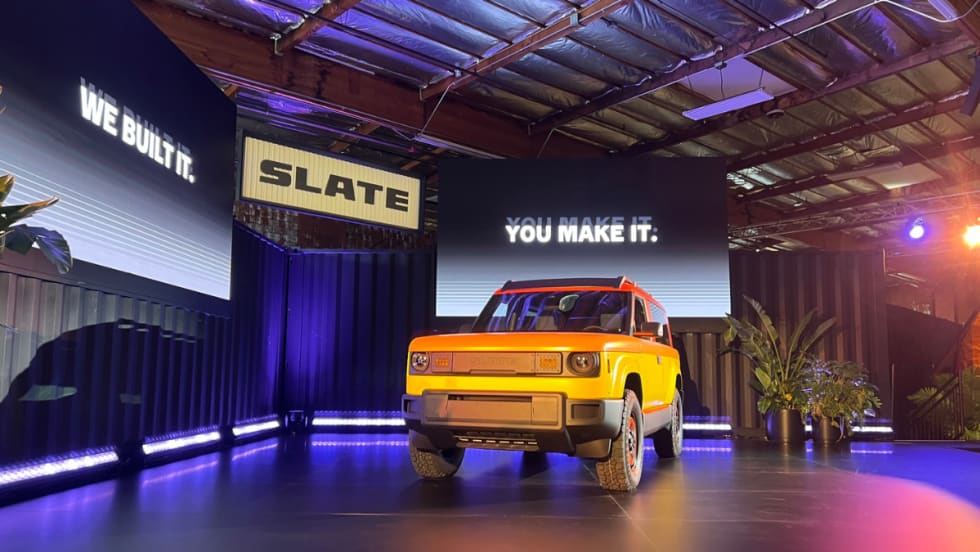
Slate Debuts Colorful, Unique EV Models
A recent media and client event, studded with electric vehicles dressed up on platforms, planted a new position for the manufacturer in the wider EV market. Fleets will find cost-saving advantages.
Read More →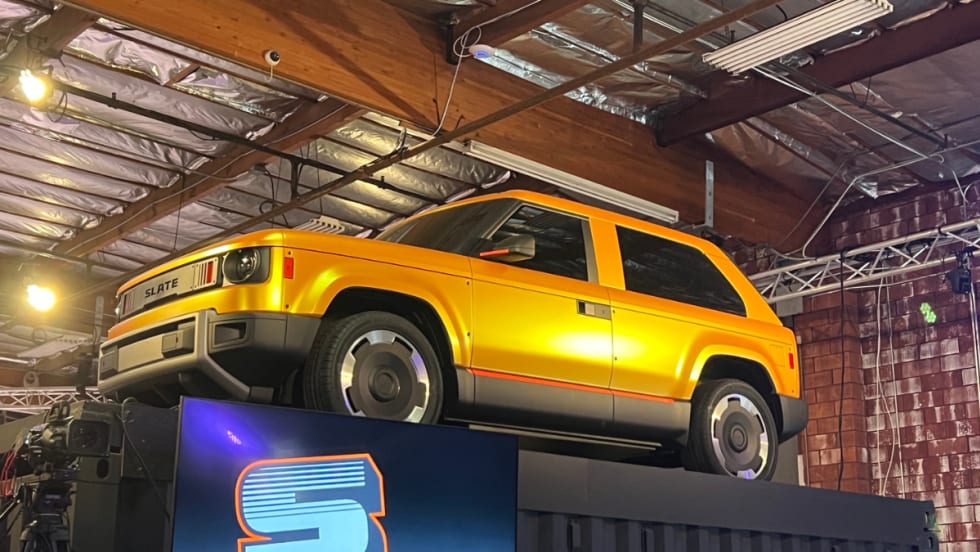
Slate Electric SUV, Pickup Switchable Model Aims For Light-Duty Fleets
Everything about this EV is counterintuitive and understated, making it stand out from the crowd.
Read More →
Inspiration Mobility Acquires Key Electrada Assets
Inspiration Mobility Group has acquired select assets of Electrada, adding the fleet electrification provider's team, technology, and charging infrastructure development capabilities to its energy management business.
Read More →
Turning Connected Vehicle Data Into Decisions That Matter
Fleet leaders have more data than ever, but turning that data into clear, actionable decisions remains a challenge. This white paper shows how leading organizations are using connected vehicle data to improve safety, reduce costs, and optimize fleet performance. Learn how to turn insight into action across your fleet.
Read More →