




Showroom - Ford Transit Connect Electric: Plug and Work
In its initial run of up to 1,000 units a year, Ford will sell the van almost exclusively to fleet and for other commercial uses that will limit its use to regular, predetermined routes from a central location.

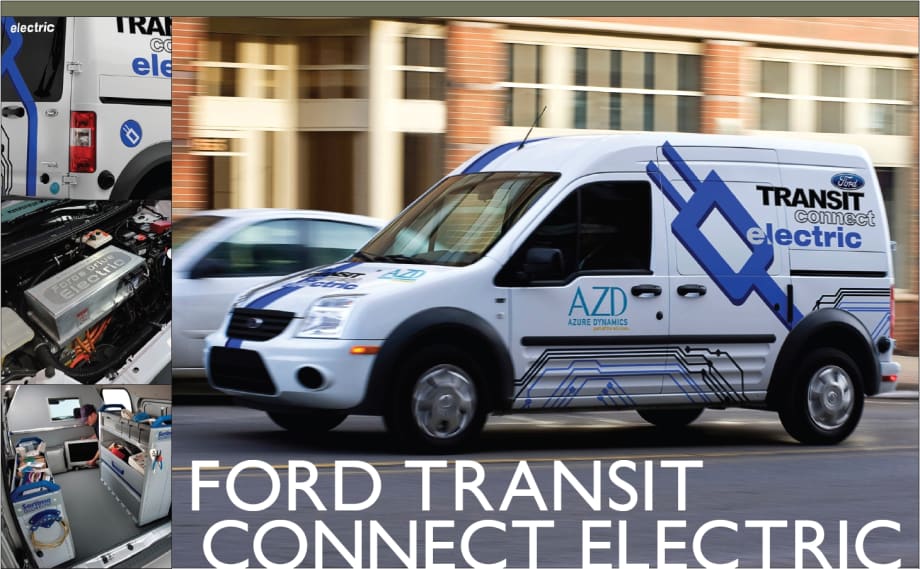
Alt-fuel vehicles are beginning to blend into the automotive landscape, and the all-electric, zero-emission Transit Connect Electric is no exception. The body is identical to the gasoline- and diesel-powered Transit Connect shells shipped in from Turkey to the AM General plant in Livonia, Mich., where they are upfitted with Azure Dynamic Corp.’s “Force Drive” powertrain.
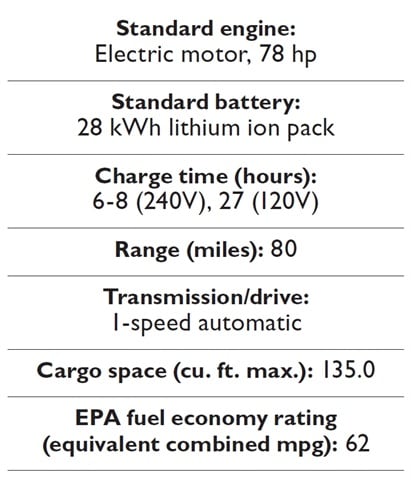
The small van’s mighty interior remains unchanged. The electric version still offers 135 cubic feet of cargo space, 59 inches from floor to ceiling and more than six feet in load length. The floor space between the interior wheel arches is just an inch shy of four feet.
Space is spared since the 600-pound lithium ion battery pack is installed below the cargo floor, which offers another bonus: Business Fleet editor Chris Brown reported that the lower center of gravity improves the van’s handling, aiding the electric version’s “more spirited” ride.
The Transit Connect Electric is no go-kart, but it does enjoy some of the higher low-end torque and quick acceleration that EV drivers have come to expect. Ford claims a zero-to-60 time of 12.0 seconds, beating the gasoline version by 0.3 ticks.
The battery pack also powers an onboard, 12-volt battery to run the headlights, power steering and coolant pumps. This setup is designed to keep the wheels turning for 80 miles on a full charge, which can be reached in as little as six hours with Ford’s proprietary, 240-volt charging station — a time that is more than quadrupled when the only outlet available is the U.S.-standard, 120-volt plug.
But Ford is not attempting to market the Transit Connect Electric to drivers who need to recharge on the fly. In its initial run of up to 1,000 units a year, the OEM will sell the van almost exclusively to fleet and for other commercial uses that will limit its use to regular, predetermined routes from a central location.
If that describes your operations, adding a Transit Connect Electric could represent a sound investment. The electric version won’t cost a dime in fuel, oil or other lubricants, and it contains fewer moving parts than the original.
The savings on maintenance, in conjunction with federal and state incentives, should help to defray the new van’s $54,000 sticker price.
Originally posted on Work Truck Online
More Vehicle Research
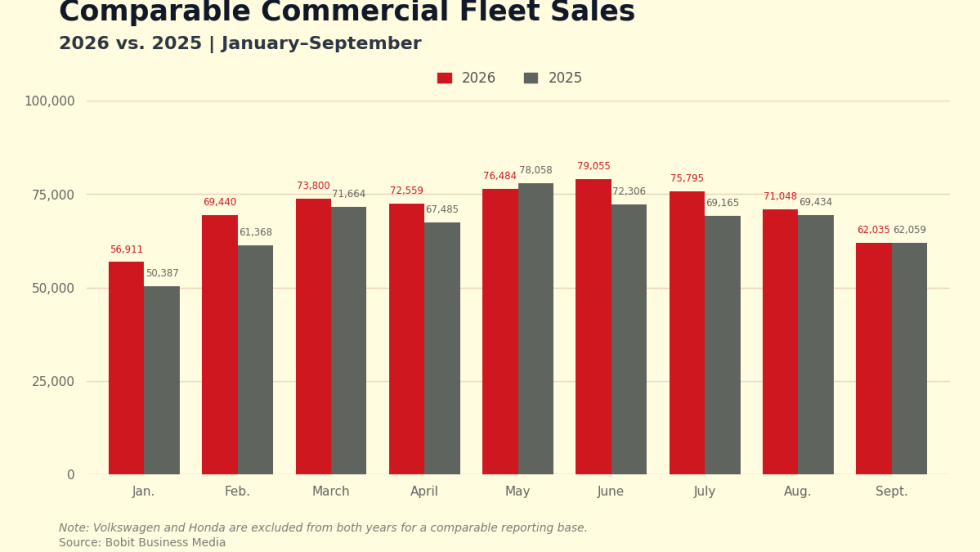
Commercial Fleet Sales Rise 5.8% Through September 2026
September commercial fleet sales were essentially unchanged from a year earlier, slowing year-to-date growth while keeping volume ahead of 2025.
Read More →
Hall of Fame Inductee: John Dmochowsky
The longtime Mondelēz International fleet executive joins the Automotive Fleet Hall of Fame.
Read More →
Hall of Fame Inductee: Lee Miller
After more than four decades at Boehringer Ingelheim, Lee Miller leaves a legacy built on fleet expertise.
Read More →
Hall of Fame Inductee: Mark F. Petersen
From managing fleets of thousands of vehicles to advancing safety and mentoring fellow professionals, Mark F. Petersen made his mark across both the corporate and supplier sides of fleet.
Read More →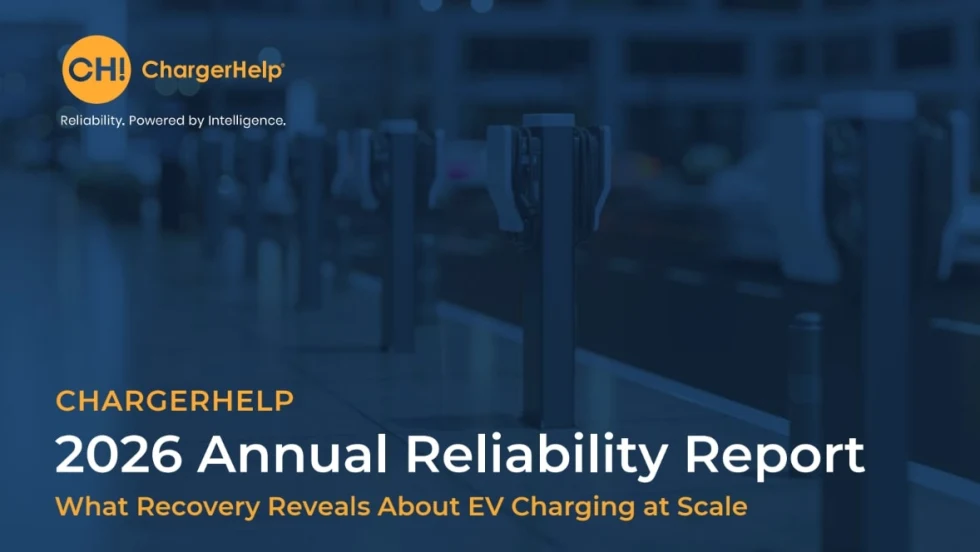
When Charger Downtime Becomes a Fleet Availability Problem
As EV deployments move beyond pilot programs, charger reliability can directly affect vehicle readiness, driver productivity and route scheduling.
Read More →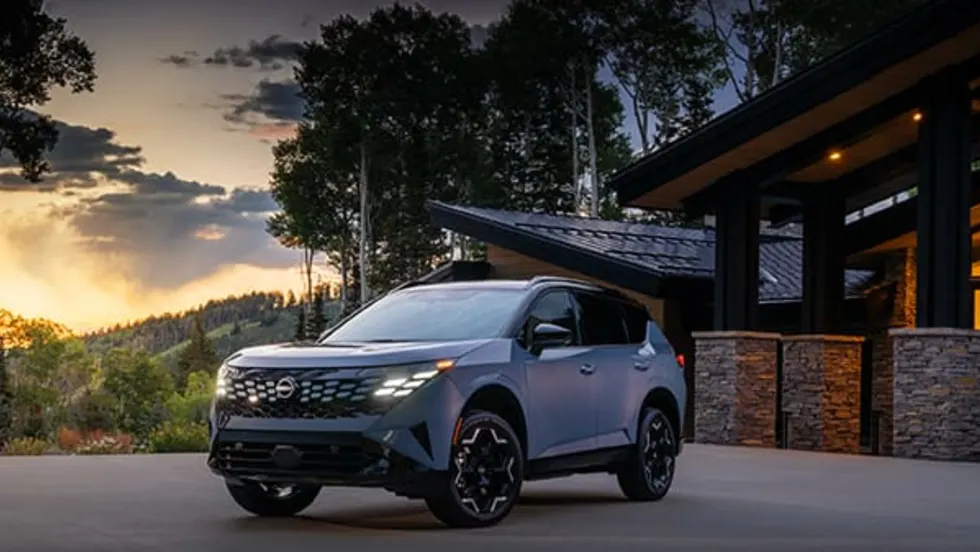
2027 Nissan Rogue Hybrid Adds e-POWER, Standard AWD
The new Rogue Hybrid uses Nissan’s e-POWER system with dual electric motors, offers an estimated 40 mpg and starts at $35,490.
Read More →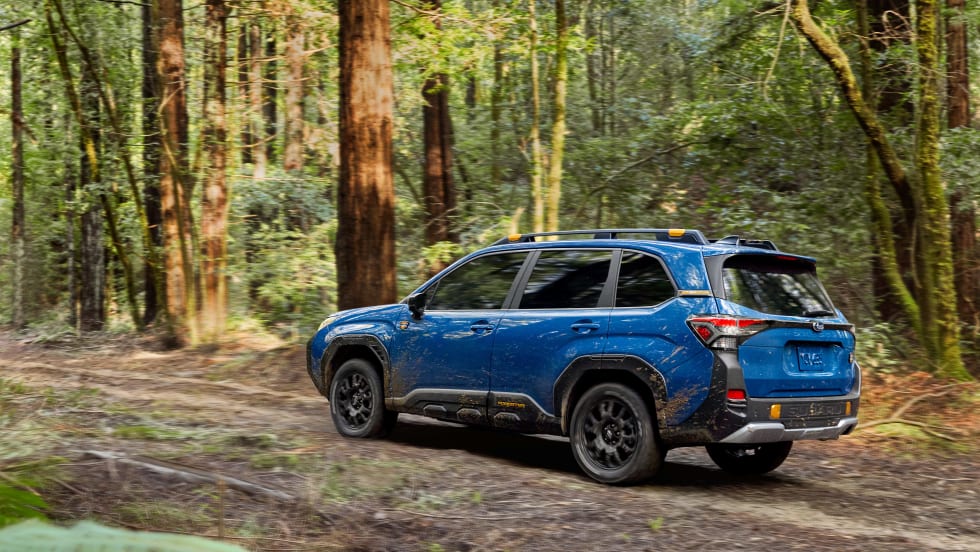
2027 Subaru Forester Adds First Wilderness Hybrid
The 2027 Forester lineup starts at $29,995 and adds a Wilderness Hybrid with 194 combined horsepower and 9.3 inches of ground clearance.
Read More →
EV Realty Names Henrik Holland President as Charging Platform Expands
The former Prologis Mobility and Shell executive will help expand EV Realty’s truck charging business and move its power-first infrastructure model into autonomous vehicle depots and other fleet sectors.
Read More →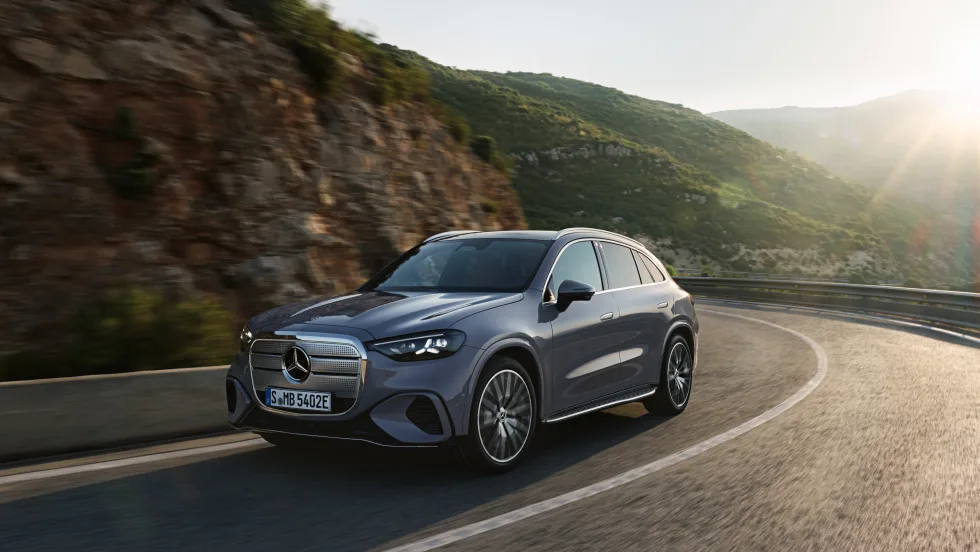
Mercedes-Benz Introduces Electric GLC With Up to 350 Miles of Range
The GLC 400 4MATIC Electric features an 800-volt architecture, 330-kW DC fast charging and a 94-kWh battery, along with Mercedes-Benz's new MB.OS operating system.
Read More →
Fleet Has a Talent Pipeline Problem, not a Talent Problem
Where will the next generation of fleet leaders come from, and what does the industry need to do differently to find them?
Read More →