




Related: Petro-Canada Lubricant Line Approved for Cummins Natural Gas Engines
Selecting the Right Oil for Mixed-Fuel Fleets
Managing a mixed fuel fleet presents unique challenges that need innovative solutions. One area that is particularly affected is maintenance, especially when it comes to engine oil.
by Ron LeBlanc Sr.
June 26, 2019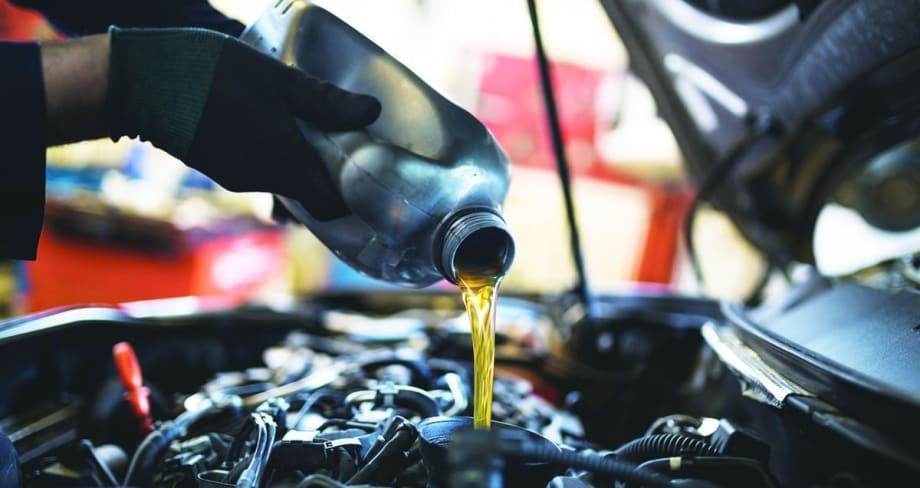
Before selecting an engine oil for a mixed fleet, it is important to consider their vital role and how they impact the overall performance of the vehicle.
Photo: Getty Images
4 min to read
Many fleet owners and operators are turning to natural gas vehicles as stringent emissions guidelines and incentives drive the industry to seek alternative fuels. With increasing numbers of fleets looking into alternative fuels, there has been an upturn in mixed fleet operations that include diesel, gasoline and natural gas engines.
Managing a mixed fuel fleet presents unique challenges that need innovative solutions. One area that is particularly affected is maintenance, especially when it comes to engine oil. The variation in fuel type makes the process more complex for mechanics, and typically means they must carry and stock a variety of oils and other maintenance essentials to cater to each type of engine.
Not only does this add to the cost of maintaining the vehicles, but it also means that additional storage space is required to house the oils safely and securely based on their manufacturer’s advice.
Taking up valuable shop space and requiring more time and money to manage another lubricant in a time of economic pressure, the increase of oil products in the shop can also make the maintenance process more prone to costly mistakes, such as using the wrong oil in an engine or run the risk of running out of oil. This directly impacts the company’s bottom line by taking the vehicle off the road and increasing its time in the shop. The very two things that fleet owners want to avoid.
The Role of Lubricants
Before selecting an engine oil for a mixed fleet, it is important to consider their vital role and how they impact the overall performance of the vehicle.
Heavy-duty engine lubricants help minimize frictional losses between moving components within the engine and reduce viscous drag. The API CK-4 and FA-4 categories, which were launched in December 2016, were designed to offer these benefits alongside a robust and improved resistance to oxidation, enhanced aeration control and greater shear stability.
Combined, these vital qualities allow engines to run more efficiently and use less fuel (specifically when using FA-4 oils) while offering protection to the essential components of the engine.
Steps for Engine Oil Selection
When selecting an engine oil, it is important to consider several key factors:
The Original Equipment Manufacturer (OEM) vehicle manual recommendation.
The conditions that your fleet operate in.
Benefits of synthetic vs non-synthetic oils.
OEM approval requirements.
For mixed fleet owners and operators, finding an engine oil that has the correct OEM approvals and meets the warranty requirements for all the fleet vehicles would be a cost effective solution and would help optimize vehicle maintenance.
A Forward-Thinking Solution
To meet the unique challenges that operating a mixed fleet presents, lubricant manufacturers continue to develop innovative new lubricants, such as Petro-Canada Lubricants’ DURONGEO Long Drain (LD) 15W-40 and 10W-30.
These new product lines can deliver superior engine protection for mixed fleets with compressed natural gas/liquefied natural gas, diesel and gasoline engines. For these applications, it is important to check the product’s OEM approvals and licenses to ensure compliance with each vehicles’ OEM manual recommendations, as otherwise any warranty could be invalidated.
Not only offering a "one-size-fits-all" engine oil for mixed fleet operations, the latest lubricants can also provide added potential fuel economy benefits and the ability to extend oil drain intervals. Extending oil drain intervals and maximizing the time that trucks can stay on road enhances the efficiency of the fleet and can result in significant cost savings.
For fleet owners looking to extend their oil drain intervals, it’s vital that this is done in partnership with lubricant experts and used oil analysis testing to ensure that doing it does not compromise engine protection or performance. This helps ensure the smooth running of a fleet and, crucially, protects the bottom line of the business. (Note: Extending drain intervals should always be undertaken in conjunction with an oil analysis program.)
Operating a mixed fleet can offer incentivized benefits for fleet owners and operators but can also present maintenance challenges. OEM approved "one-size-fits-all" engine oil solutions can address both issues by securing cost and maintenance efficiencies and performance benefits.
About the Author: Ron LeBlanc Sr. is the senior technical advisor for Petro-Canada Lubricants.
Topics:Engine MaintenanceMixed Truck FleetGasoline EnginesDiesel EnginesEngine OilsAlternative FuelsGlobal Fleet
Originally posted on Work Truck Online
Subscribe to Our Newsletter
More Global Fleet

GeoFencing Adds to Your Truck Security Arsenal
Geofencing is a familiar fleet tool today, but its early adoption marked a major shift in vehicle tracking, route monitoring, and the debate over employee privacy.
Read More →
Holman Takes Full Ownership of ARIZA in Mexico
Holman is bringing its Mexican fleet management operation fully under its own brand after more than 30 years as a joint venture. The change gives multinational fleet customers a single Holman operation across the U.S., Canada, and Mexico.
Read More →
5 Tire Maintenance Tips to Help Prevent Work Truck Downtime
Regular tire checks can do more than extend tread life. These five maintenance practices can help work truck fleets catch problems early, reduce costs, and prevent downtime.
Read More →

Proven Ways to Reduce Work Truck Downtime
The age-old problem of downtime will always be a reality, but with new strategies at hand, fleets have more ways to keep trucks on the road longer.
Read More →


Cameras, Safety and Insurance: From Reactive Claims to Real-Time Prevention (Part 2 of 2)
Part Two: Commercial auto remains one of the most challenging and costly lines of coverage for fleet operators and insurers alike. Continue learning more about how to effectively address these issues from Onur Aksan, Enterprise Business Development Executive, Geotab
Read More →
Cameras, Safety and Insurance: From Reactive Claims to Real-time Prevention
Commercial auto remains one of the most challenging and costly lines of coverage for fleet operators and insurers alike. Learn more about how to effectively address these issues from Onur Aksan, Enterprise Business Development Executive, Geotab.
Read More →
Fleet Costs Are Rising: Here’s How Leaders Are Responding
Fleet leaders are under pressure to reduce costs, adapt to economic uncertainty, and make smarter decisions. See how peers across North America are responding with real data, proven strategies, and forward-looking insights. Download the 2026 Market Pulse Report to benchmark your strategy and uncover where you can gain an edge.
Read More →
Enterprise Fleet Management Surpasses 900,000 Vehicles in U.S. & Canada
Enterprise Mobility connects with mobility solutions around the globe
Read More →