




Saving Gas Can Be as Simple as Properly Inflating Tires
The easiest way to minimize fuel expenditure is to ensure that tires are inflated to the correct pressure. Statistics compiled by the American Automobile Association (AAA), show that fuel economy is compromised by 10 percent when tires are under-inflated by only 2 psi (pounds per square inch.) An under inflated tire increases rolling resistance, requiring your engine to work harder. Proper tire inflation could save several hundred dollars annually at the gas pumps.


Under-inflated tires are more prevalent than you think – one out of four drivers drive vehicles with under-inflated tires. In a survey of 250 vehicle randomly selected in a parking lot, Goodyear found that 28 percent had under-inflated tires.
Similarly, many vehicles are loaded with unnecessary weight. Every 200 lbs of unnecessary weight reduces fuel efficiency by one mpg. Take at look at what you are carrying in your trunk and remove all unnecessary items, including unneeded tools and materials.
What is the Correct Tire Inflation Pressure for Your Vehicle?
You can locate the recommended tire pressure on your vehicle’s tire information placard, certification label, or in the owner’s manual.
It’s important to check your vehicle’s tire pressure monthly. Most tires naturally lose air over time or suddenly when driving over a pothole or striking a curb. With radial tires, visual inspection will not determine under inflation.
All that’s required to check tire pressure is a simple pencil-type pressure gauge available for less than $10 at any auto parts store. Don’t rely on inaccurate service station air hose gauges. Buy a gauge that measures up to 50 psi in 1-psi increments.
Always check cold inflation pressures. When the tire is completely cold or has not been driven more than a mile. Tire pressure rises as the vehicle is driven. Also, be sure to check the tire pressure of the spare tire.
It is also important to remember that tire pressure does not remain constant. As outdoor temperatures change, so does the pressure in your tires. In fact, tires may lose 1-2 psi each month, and even more as outdoor temperatures change. Unfortunately, it is not possible to just look at a tire to determine if the pressure is appropriate. You have to use an air pressure gauge.
Because inflation pressure is often overlooked, Bridgestone/Firestone recently initiated an educational campaign on tires and tire care. Included in this campaign are brochures available at more than 10,000 participating Firestone retailers across the country. The
corporation has also launched a consumer Web site, www. tiresafety.com/. Special features of the site include monthly e-mail reminders to check the air pressure in your tires as well as well as alerts for periodic rotations.
Idling Gets You Nowhere and Costs You Money
One closing thought. The worst fuel mileage you can get is 0 miles per gallon, which occurs when your vehicle is idling. Idling for long periods, whether at a railroad crossing, keeping the AC running while making a delivery, or pulling off the road to make a cell phone call, consumes gas that could be saved by turning off the engine. Restarting an engine uses about the same amount of gas as idling for 30 seconds. When idling for longer than 30 seconds, shut off the
engine.
Let me know what you think.
mike.antich@bobit.com
More Operations
What Fleet Managers Really Want From Vendors
From customer service frustrations and technology breakdowns to RFQs, change management, and the growing impact of turnover across the industry, this conversation pulls back the curtain on the real operational challenges fleet managers are navigating every day.
Read More →
Fleet Safety Masterclass: Industry Leaders on Storytelling, Strategy & Innovation
In this special masterclass episode, industry leaders break down what it really takes to build safer fleets in today’s increasingly distracted and data-driven world.
Read More →
Integrating Legacy Fleet Systems and Historical Data
In this episode, we bring together fleet and technology leaders to unpack the realities of data integration, system migrations, and the evolving role of AI in fleet management.
Read More →

From Resistance to Results: Change Management Strategies for Fleets
From new technologies and safety programs to evolving regulations, fleets are under constant pressure to adapt. But as Dr. Betz explains, success isn’t about the system you implement—it’s about whether your people actually use it.
Read More →
Where We're Headed: A Practical Look at AI in Fleet
Discover how AI is actually being deployed in fleets, not just marketed, including practical use cases and emerging risks.
Read More →
How Coca-Cola United Protects Its Fleet from Growing Legal Risk
Growing legal exposure can put fleets at risk. Here's one company's approach.
Read More →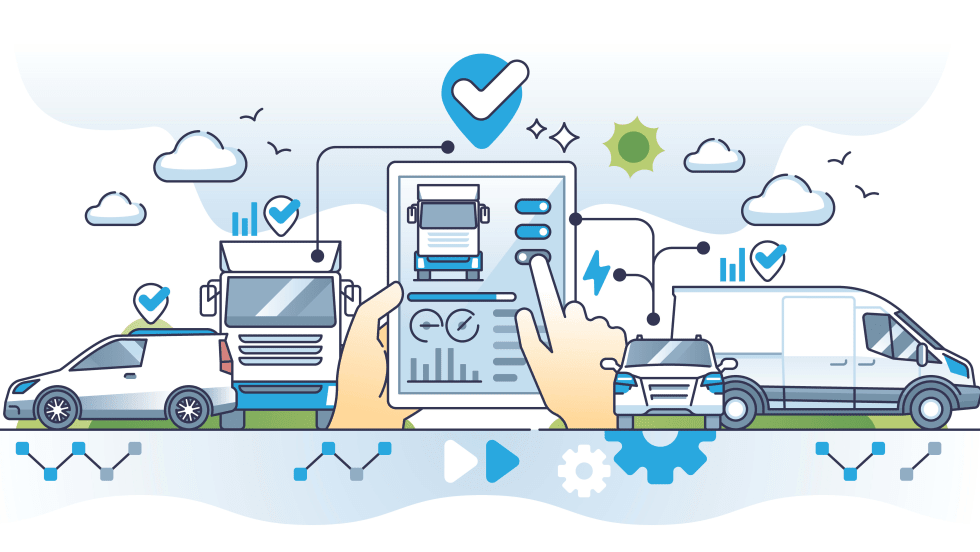
Fleet Managers Think They Understand Their Costs. The Data Says Otherwise.
Most fleet managers say they have a strong handle on their costs, but new research from Bobit Business Media tells a different story. A 2026 survey of 190 fleet professionals reveals a widespread "confidence gap" where fragmented systems, disconnected data, and delayed reporting are leaving major blind spots hidden beneath the surface. Find out what the data actually shows.
Read More →
Cameras, Safety and Insurance: From Reactive Claims to Real-Time Prevention (Part 2 of 2)
Part Two: Commercial auto remains one of the most challenging and costly lines of coverage for fleet operators and insurers alike. Continue learning more about how to effectively address these issues from Onur Aksan, Enterprise Business Development Executive, Geotab
Read More →
New Trucks, AI & Summer Downtime | AF News Recap
From new truck updates to AI-powered driver coaching and summer maintenance tips, this week's fleet headlines are all about keeping things moving.
Read More →
Beyond Utilization Rates: Smarter Fleet Replacement Decisions
Vehicle replacement decisions affect every aspect of fleet performance, from operating costs to asset availability. This guide explores how fleet leaders use integrated data, benchmarking, and lifecycle analytics to determine the right fleet size and optimize replacement timing with greater confidence.
Read More →