




Russia's Fleet Market Conditions in 2014
Russia encompasses a large land mass spanning nine time zones and four climate zones. The ratio of vehicles per person is relatively low (230 per 1,000 people), with a comparatively aged fleet on the road (about 13 years).

Photo courtesy of Wikipedia.

Photo courtesy of Wikipedia.
Russia encompasses a large land mass spanning nine time zones and four climate zones. The ratio of vehicles per person is relatively low (230 per 1,000 people), with a comparatively aged fleet on the road (about 13 years).
In 2013, Russia was the second largest automotive market in Europe with 2.94 million new passenger cars and light commercial vehicles sold, representing an 11-percent growth vs. 2011; however, 2013 sales were expected to be more or less flat, with the Association of European
Businesses predicting sales to be between 2.8 million units and 3.1 million units. Corporate fleets have a rather modest market share of 6 percent (or 2.5 million units) of total vehicles. The growth of the corporate fleet is in line with the growth of the entire country's fleet, outpacing it by a few percentage points per year. The OEM leaders in Russian corporate fleets are Ford, Chevrolet, Volkswagen, and Renault.
There are a number of trends emerging in the Russian fleet market. "In 2013, more fleets will experience cost pressure with 30 percent of them expecting cost pressures to increase," said Sergey Dianin, managing director, LeasePlan Rus, LLC. "Also, fleets will try to rightsize and become more accurate in matching business needs with number of vehicles; 25-28 percent of fleets expect an increase of duration of use of vehicles.
"Downsizing vehicle fleets is a very recent trend and became stronger in 2013. It is a reaction to the permanent growth of car value, especially with the introduction of new generations of some popular brands.
"Growing restrictions on capital expenditures (CAPEX) are making fleets consider leasing as an alternative to purchasing; however, more than 40 percent of companies are forecasting growth of their fleets in the next three years. Social and environmental issues are not a priority today."
Only a handful of international companies have introduced CO2 limits to their Russian operations. At the same time, there is growing interest in road safety and influencing driver behavior to reduce the number of accidents and to reduce total cost of ownership.
Outright purchase is the dominant method for fleet acquisition (77 percent), while financial leasing is the second largest method with a share of 19 percent. Full-service operating leases have a 4-percent share and are in the very early stages of development, according to Dianin.
"Taking into account the average European level of penetration of operating leasing at 29 percent, we can see the huge potential for this product," he said.
Still, there are many challenges for leasing companies. "Education of the market is one of the major tasks for both clients and suppliers," Dianin observed. "From a client perspective, it is real change management when switching to leasing, change for companies and change for drivers. It is management of clients' expectations, which are sometimes a little bit exaggerated. From a supplier perspective, it is building, maintaining, and managing the suppliers' network, wide and scattered, and bringing the service quality to an appropriate level."
Data Box
● Capital: Moscow
● Population: 142.5 million
● GDP: $2.5 trillion
● Total Vehicles (incl. private
fleet): 32.8 million
More Global Fleet
GeoFencing Adds to Your Truck Security Arsenal
Geofencing is a familiar fleet tool today, but its early adoption marked a major shift in vehicle tracking, route monitoring, and the debate over employee privacy.
Read More →
Holman Takes Full Ownership of ARIZA in Mexico
Holman is bringing its Mexican fleet management operation fully under its own brand after more than 30 years as a joint venture. The change gives multinational fleet customers a single Holman operation across the U.S., Canada, and Mexico.
Read More →
5 Tire Maintenance Tips to Help Prevent Work Truck Downtime
Regular tire checks can do more than extend tread life. These five maintenance practices can help work truck fleets catch problems early, reduce costs, and prevent downtime.
Read More →

Proven Ways to Reduce Work Truck Downtime
The age-old problem of downtime will always be a reality, but with new strategies at hand, fleets have more ways to keep trucks on the road longer.
Read More →


Cameras, Safety and Insurance: From Reactive Claims to Real-Time Prevention (Part 2 of 2)
Part Two: Commercial auto remains one of the most challenging and costly lines of coverage for fleet operators and insurers alike. Continue learning more about how to effectively address these issues from Onur Aksan, Enterprise Business Development Executive, Geotab
Read More →
Cameras, Safety and Insurance: From Reactive Claims to Real-time Prevention
Commercial auto remains one of the most challenging and costly lines of coverage for fleet operators and insurers alike. Learn more about how to effectively address these issues from Onur Aksan, Enterprise Business Development Executive, Geotab.
Read More →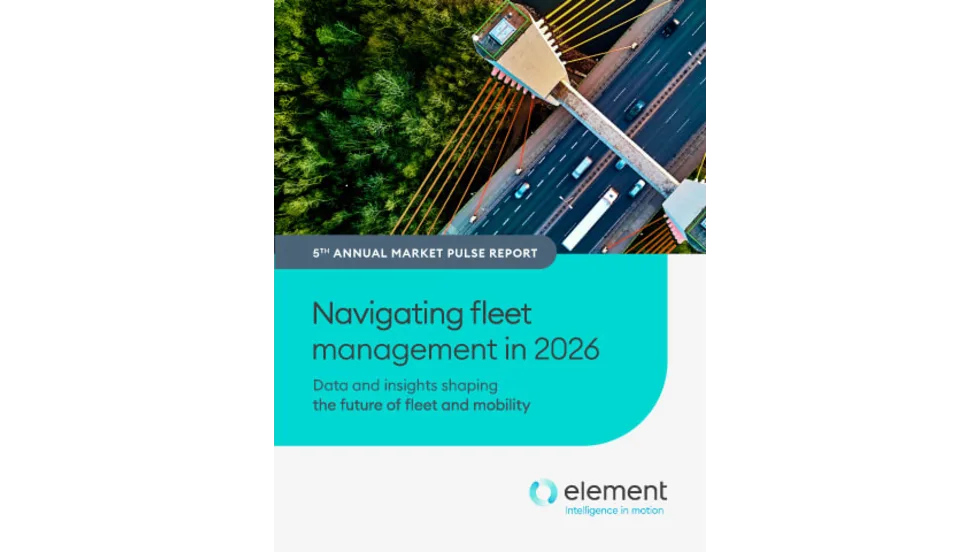
Fleet Costs Are Rising: Here’s How Leaders Are Responding
Fleet leaders are under pressure to reduce costs, adapt to economic uncertainty, and make smarter decisions. See how peers across North America are responding with real data, proven strategies, and forward-looking insights. Download the 2026 Market Pulse Report to benchmark your strategy and uncover where you can gain an edge.
Read More →
Enterprise Fleet Management Surpasses 900,000 Vehicles in U.S. & Canada
Enterprise Mobility connects with mobility solutions around the globe
Read More →