




Related: How Mobility as a Service Will Change Fleet Management
Ride-Hailing Creating New Challenges to Fleet-Minded Dealers
With the advent of ride-hailing, there is a new critical need afoot for the old days of direct fleet service to end-user customers at the dealership level.
by John Possumato
June 26, 2019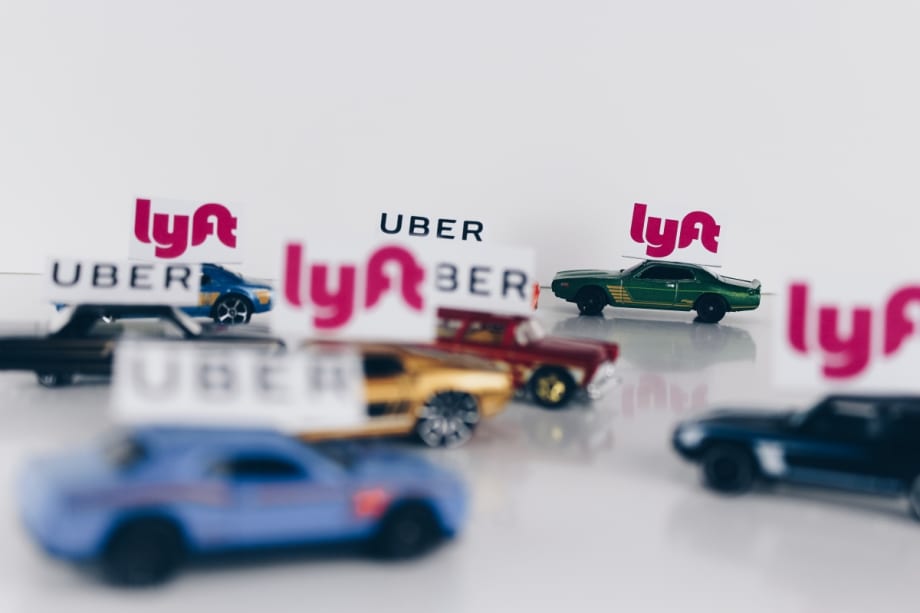
The new era of shared mobility, while bringing with it many challenges, has, at least for now, ironically also created a new scalable volume opportunity for fleet-minded dealers.
Photo via @thoughtcatalog / Unsplash.
7 min to read
With Uber and Lyft now representing the largest fleets in the United States, all managed by independent contractor drivers, fleet dealers have the opportunity to reach out and comprehensively service this market, similar to the early years of the fleet industry, when dealers did it all and were directly involved with ordering, delivering and servicing the fleet of individual drivers at their stores.
Some folks might appreciate the trick that time seems to play on us all sooner or later. One day, in the blink of an eye, you go from being a newcomer in the business to one of its “old timers.”
In short, I can remember the old days, before the age of sub-codes and consolidated fleet management companies, when fleet dealers were personal and hands on, and more in the business of directly servicing fleet and fleet drivers. Even the largest fleets were directly handled, and, commensurately, dealers rewarded for these services in profit margins and scale. For the most part those days are gone, and now only small local commercial fleets require this hands-on approach.
However, the new era of shared mobility, while bringing with it many challenges, has, at least for now, ironically also created a new scalable volume opportunity for fleet-minded dealers. Very similar to the early days of the fleet business many decades ago, when fleet operations were very decentralized, new developments are taking back the direct involvement of dealers in servicing fleet vehicle needs.
How Ride-Hailing Impact Fleets
Now with the advent of ride-hailing, there is a new critical need afoot for the old days of direct fleet service to end-user customers at the dealership level. Dealer consulting services in such areas as vehicle purchase selection, maintenance and service, turnover timing, and trade-in values, are now needed in a much more direct and active advisory role in the new ride-sharing paradigm, with more than just modern large fleet vehicle ordering or courtesy deliveries.
The relatively recent emergence of ride-hailing companies, such as Uber and Lyft, run what could be called the largest “fleets” in the United States, with well over 2 million drivers/units in operation in the United States alone, and phenomenal growth trajectories forecast over the next decade. All of these vehicles are owned or rented by individual independent contractor drivers, and so none of these vehicles can really be said to be under centralized management.
This has created the single largest group of vehicles in usage with clearly a fleet “application” (with usage roughly six times more than the average privately owned vehicle) without the benefit of fleet management company’s management and direction, in service and maintenance, vehicle turnover, etc.
In short, there is a serious need for Uber and Lyft drivers to receive the active fleet management that most high-usage fleets require, and yet this is unavailable to these drivers on a centrally managed basis, as indeed, all are independent contractors, most of whom own their own vehicle that is driven for ride-sharing and personal use. This has created an opportunity now beginning to be met by local fleet-minded dealers, who are adapting their commercial sales departments to satisfy this need.
Most individual consumers use a vehicle just 4% of the time, and the vehicle sits idle more than 96% of the time. However, ride-sharing drivers use their vehicle over 26% of the time, which mimics the criteria that define the need for a fleet vehicle at many large organizations. Indeed, this higher volume use creates the same purchase, maintenance and turnover considerations of any other fleet of vehicles used to this degree, but because the ownership and management is not centralized, the benefit of any fleet management company is unavailable; it’s a local, “owner by owner” business.
It is also a fact that, as vehicles for ride sharing are usually older and kept in service longer than your typical corporate fleet vehicles, they require more mechanical and body service than normal commercial fleets usually require.
These vehicles are more akin to those in the traditional “taxi” business, but taxi fleets have historically been centrally owned and managed, so this individual fleet need didn’t exist. However, as the taxi business is quickly being replaced by ride-sharing companies, this critical need has been created, and the fleet dealers are recognizing and filling this current opportunity.
Fleet Examples

As vehicles for ride sharing are usually older and kept in service longer than your typical corporate fleet vehicles, they require more mechanical and body service than normal commercial fleets usually require.
Photo via @seefromthesky / Unsplash.
In the fall of 2018, it was reported in the Columbus Dispatch that Ricart Automotive Group, in Columbus, Ohio, is investing approximately $1 million in a new fleet-focused building, which will add 64,000 square feet dedicated to fleet and commercial service, and an additional 6,000 square feet devoted to fleet sales. Dan Bryan, the general manager of Ricart Fleet and Commercial Business Solutions said “The new facility is part of Ricart’s strategy for growth as vehicle ownership declines while alternative transportation, fleet, ride-sharing and electrification grows.”
In Langhorne, Pa., the Reedman-Toll Automotive Group, along with its rental vehicle company StorkDriver, has devoted a 14-vehicle showroom, a dedicated driver lounge area, and dedicated service bays exclusively for the vehicle rental, sales and service needs of ride-share drivers. As this dealership group’s complex is over 300 acres, they even went so far as to paint a side of the ride share driver service shop pink, Lyft’s brand color, so drivers can just “go to the pink wall” for vehicle service. The group did a new Lyft driver kick-off party last fall, for drivers in the Philadelphia area, to let people know that the dealership is devoted to servicing all of the needs of this new fleet customer base.
Changes in the Fleet Landscape
The best opportunity for dealers, of course, is that margins for quality care are preserved in this new “individual owner” fleet paradigm. Since there is no centralized purchase or fleet management service involved, each driver/owner has all of the traditional needs of a highly used fleet operator, but the dealership is working with one vehicle at a time per owner, without an intermediary.
Of course, these new fleet entrants present challenges as well. Unlike a large fleet or a centralized fleet management company, these “fleet” customers are handled one at a time, so it takes a while to build up the visibility and track record for true volume. Also, although the ride-hailing companies provide “on-demand” employment, and screen their drivers with stringent DMV and background checks, there is no guarantee that an individual driver’s credit or financial wherewithal is of the quality to ensure that optimum fleet purchase and maintenance advice will be or can be carried out.
On the other hand, this new, large and growing opportunity hasn’t escaped the notice of the traditional fleet management companies as well, and many are mobilizing to provide at least temporary rental vehicles to new ride-hailing drivers, with traditional fleet management services. For example, ARI in a joint venture with Cox Automotive, is projecting massive growth as an emerging high volume leading “single customer” rental car company, in their new FlexDrive venture dedicated to supplying temporary rental vehicles to Lyft drivers, under Lyft’s ExpressDrive program. The rental vehicles supplied in this program come with the management services customary from a top tier fleet management company.
Also, Fair.com recently purchased the old Uber eXchange leasing portfolio of over 35,000 vehicles, through their mutual Uber investor SoftBank, to supply and service vehicles leased on a monthly basis to Uber drivers. On the service side, Pep Boys has, almost from the beginning, served as recommended Lyft “service hubs” in many regions, where drivers can get service discounts, and help from appointed Lyft personal on-site to handle driver issues.
Nevertheless, as the vast majority of ride-hailing drivers own their own vehicle that they use for both personal and “fleet” use, and the massive growth in driver recruitment shows no sign of slowing down any time soon, there remains a tremendous opportunity for fleet minded dealers to service this market and capture and leverage this new opportunity in volume.
We can’t turn the clock back to the “old days” of fleet, but, in recognizing and meeting this new opportunity, fleet dealers have the potential to recapture the margin that traditional personalized one-on-one service provides, in volume that collectively can scale very rapidly. Recognizing and adapting to this new emerging opportunity, seems a good fit for the old personal and direct service skills reminiscent of how fleet departments used to operate.
Editor's note: John Possumato is the founder and CEO of Driveitaway, a mobility as a service provider, and CEO of Automotive Mobile Solutions, a mobile technology incubator that supports dealers.
Subscribe to Our Newsletter
More Operations

Avis Budget Group Deploys Neology Toll Management Technology Across Major Brands
Neology’s neoFleet platform will manage toll transactions and toll-authority operations for vehicles across Avis, Budget, Payless, Budget Truck and Zipcar.
Read More →
Fleet Personal-Use Charges Edge Higher in 2026
Nearly eight in 10 surveyed fleets allow personal use of company vehicles, while just over half of respondents report charging employees for the privilege.
Read More →
The Future of Fleet + What’s Changing Right Now | AF News Recap
Could developments overseas offer a preview of what’s coming for U.S. fleets? This week, we’re looking at the future of AI, autonomy, and electrification, plus Ford Pro’s new certified pre-owned program, smarter vehicle offboarding, and a new way for fleets to manage toll expenses.
Read More →
How to Handle Vehicle Offboarding
What do fleet managers need to do when a driver leaves?
Read More →
Sponsored•October 1, 2026
Fleet Manager’s Ultimate Playbook: Navigating the New Standard in OEM Connectivity
Rising operating costs, driver safety concerns, and unplanned downtime are putting unprecedented pressure on modern fleets. Discover how fleet managers use embedded OEM connectivity and real-time vehicle data to cut TCO, prevent downtime, and protect drivers without aftermarket telematics hardware.
Read More →
U.S. Bank Adds Verra Mobility Toll Management to Voyager Fleet Platform
The integration allows U.S. Bank Voyager fleet customers to manage toll payments and violations alongside fuel, EV charging and maintenance expenses.
Read More →
ADAS Prevents Crashes. But Repairs Cost More | AF News Recap
ADAS-equipped vehicles may crash less often, but they can cost more when they do. This week, we’re breaking down what that tradeoff means for fleets, plus Subaru’s first Forester Wilderness Hybrid, Nissan’s new e-POWER Rogue, and why Calstart has become Catalyst Mobility.
Read More →
Moventum Fleet Management Names Mark Iorillo Head of Sales
Iorillo brings nearly 20 years of fleet management and sales experience to the role, including previous positions at Element Fleet Management, CEI, Donlen and Ryder.
Read More →
Fleet Has a Talent Pipeline Problem. What Comes Next? | AF News Recap
Where will fleet’s next generation of leaders come from? This week, we’re looking at the industry’s talent pipeline, what certification can add to a fleet career, how to build an award-worthy track record, and the return of Automotive Fleet’s Personal Use Survey.
Read More →
Smith System Launches Driver Risk Management Program
Fleets have more driver data than ever, but identifying risky behavior doesn't necessarily correct it. Smith System's new Driver Risk Management program combines monitoring, training, and follow-up coaching to help fleets connect risk signals with driver intervention.
Read More →