




Retrofitting Your Way to an Alt-Fuel Vehicle
Offering lower per-gallon fuel costs and clear environmental benefits, alt-fuel fleet units are the wave of the future. Using retrofitting as a viable solution, fleets don’t have to invest in new assets and can make the most of their existing fleet units.

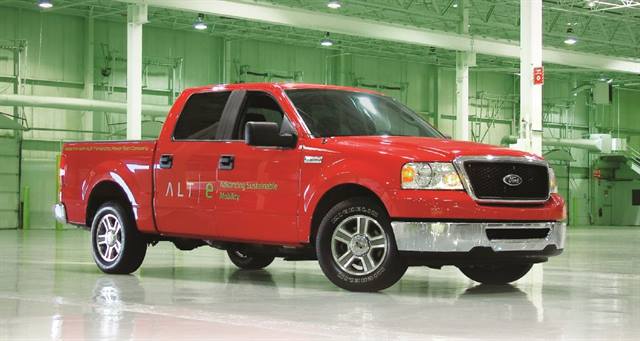
Retrofitting a unit’s powertrain to accommodate alternative fuel allows fleet managers to take existing units from traditional gas guzzlers to alt-fuel efficiency and extend vehicle life.
At a Glance
Retrofitting offers fleets several benefits, including:
● Lower greenhouse gas emissions.
● Reduced operating costs.
● Extended vehicle and equipment life.
● Reduced spending for new vehicles and equipment.
Investing in new fleet units is a big budget line item that can make fleet managers — and those who approve their budgets — cringe. So when it comes to investing in alt-fuel vehicles, it can be tough to make the case for purchasing new units, particularly if the fleet is already in good working order.
Thankfully, there’s a middle ground: retrofitting. Retrofitting a unit’s powertrain to accommodate alternative fuel allows fleet managers to take existing units from traditional gas guzzlers to alt-fuel efficiency. But is retrofitting right for your fleet? Knowing the options available, and the pros and cons of making the switch, can help fleet managers invest wisely as they work toward greener futures.
Choose Your Fuel
The first choice in a fleet manager’s path toward a retrofitted alternative-fuel fleet is choosing which alt fuel to use. Common choices include plug-in hybrids, propane, and compressed natural gas (CNG).
Ultimately, the choice depends on a few key considerations:
Access to alt fuels.
Infrastructure required to support an alternative-fuel vehicle.
Costs associated with retrofitting, then fueling the unit.
While propane and CNG will require access to sites that carry those fuels, plug-in hybrids offer a more turnkey solution. Of course, choosing the most appropriate fuel source ultimately depends on the type of vehicle and what it’s used for.
ALTe’s plug-in hybrids can be recharged with something as basic as a normal 110 [volt] outlet, and the engines only require normal unleaded gasoline. In addition, the packaging of our lithium-ion battery packs is such that there is not a reduction in cargo carrying capacity for any of the pickups or vans that we retrofit,” said Dennis Baranik, vice president, marketing and sales, ALTe Powertrain Technologies. “We believe that the plug-in electric series hybrid powertrain retrofit offered by ALTe Powertrain Technologies provides the fastest financial payback compared with any of these options.”
[PAGEBREAK]
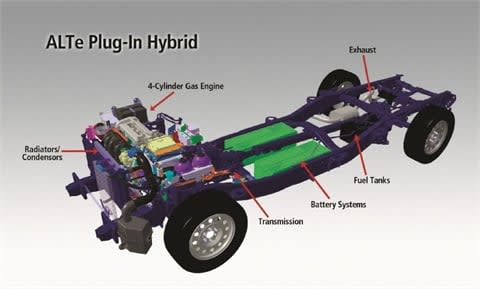
ALTe’s plug-in hybrids can be recharged with a standard 110v outlet and the engines can run on regular unleaded gasoline. In addition, the company said there is no reduction in cargo carrying capacity for any of the retrofitted pickups or vans.
Weighing Costs Against Benefits
Like any major change in a fleet, retrofitting poses both advantages and disadvantages.
One clear benefit of retrofitting for alt fuel is the significant reduction in greenhouse gas emissions. In addition to the positive environmental benefits, turning to alt fuel also makes headway on the country’s dependence on foreign oil.
Specifically for a fleet, alternative fuels can improve the bottom line by reducing operating costs based on a total cost of ownership (TCO) analysis. For instance, a vehicle with a pristine exterior that might typically be replaced due to high mileage and a worn-out powertrain could have a second chance — and perform more efficiently in its second lifecycle.
“For many fleet units, a decision to replace that particular vehicle reflects the high mileage and wear and tear that has been placed on that powertrain while the rest of the vehicle may be in relatively good shape,” Baranik said. “A retrofit option can extend the life of that vehicle while providing a brand-new powertrain with a competitive warranty while significantly increasing fuel efficiency.”
While the benefits are clear, there may be some instances where a retrofit isn’t the right fit. For instance, vehicles that require heavy off-road capabilities or units in poor overall condition might not be prime candidates.
And, of course, there are infrastructure considerations as well. Where will units fill up? How far is the nearest station that offers alt fuel? How many are in your area, or along key fleet routes? Would your company have to invest in on-site fueling? The answers to these questions can help fleet managers get closer to the true costs of running an alt-fuel fleet.
The Deciding Factor
As fleet managers compare an alternative-fuel retrofit to purchasing a new vehicle or extending the life of that particular unit, TCO will be the key consideration on which a decision hinges. At the same time, a company should also consider its “green” image and sustainability efforts, as well as any government mandates that must be followed (particularly for government fleets).
“At a minimum, every fleet manager should at least be considering an alternative-fuel retrofit in their ongoing analysis. It only makes sense that a full-size pickup/van that has 200-percent better fuel efficiency while maintaining extended range capability should be a viable option,” Baranik said. “At the end of the day, if your TCO analysis supports an alternative-fuel retrofit option, then go for it!”
While more and more alt-fuel vehicles appear on the market, retrofitting is also gaining popularity. “Nearly all of the largest delivery fleets as well as the leading utility companies have been very progressive in determining how alternative-fuel retrofits can fit into their operating models,” Baranik said. “ALTe believes that retrofit volumes for fleets will reach the tens of thousands of units annually within the next couple of years.”
More Green Fleet
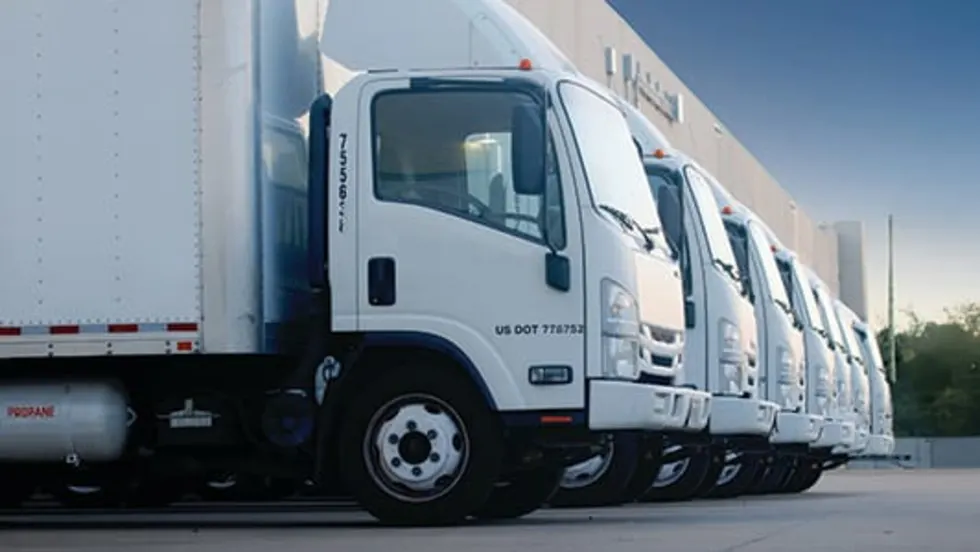
New Propane Autogas Program Offers Fleet Compensation
Qualified commercial fleets can receive $7,500 per eligible propane autogas vehicle and up to $10,000 for new refueling site prep. Learn how the program works and see whether your fleet qualifies.
Read More →
EV Charging Use Is Outpacing Infrastructure Growth
ChargePoint’s 2026 Charging Forward Report points to rising charger use, higher-powered charging, commercial vehicle electrification, and energy-management technology. Here’s what fleets should know.
Read More →
Merchants Fleet Reports 290M EV Miles as Fleets Navigate Changing Electrification Market
From millions in operating savings to hundreds of millions of EV miles, Merchants Fleet’s latest report reveals what’s working and what’s changing in fleet electrification.
Read More →

The EV Breakdown Nobody's Talking About: Why Most Electric Vehicle Roadside Calls Aren't Mechanical Failures
Here's why EV breakdowns are widely misunderstood.
Read More →
ChargePoint Now Available in Energy Pass
ChargePoint and additional planned charging network integrations were added to GM's Energy Pass.
Read More →

First Look: Slate Auto's Electric Fleet Pickup
Could an affordable, modular EV pickup make electrification more practical for fleets?
Read More →
Slate Debuts Colorful, Unique EV Models
A recent media and client event, studded with electric vehicles dressed up on platforms, planted a new position for the manufacturer in the wider EV market. Fleets will find cost-saving advantages.
Read More →
Slate Electric SUV, Pickup Switchable Model Aims For Light-Duty Fleets
Everything about this EV is counterintuitive and understated, making it stand out from the crowd.
Read More →
Inspiration Mobility Acquires Key Electrada Assets
Inspiration Mobility Group has acquired select assets of Electrada, adding the fleet electrification provider's team, technology, and charging infrastructure development capabilities to its energy management business.
Read More →