




About the Author: Terry O’Day is co-founder and COO of InCharge Energy, a provider of commercial EV fleet charging.
Reliability and EV Charging: What Do Fleets Need to Know?
The commercial fleet space requires its own definition of reliability when it comes to EV charging that includes assessments of both hardware and software.
by Terry O’Day, InCharge Energy
December 28, 2022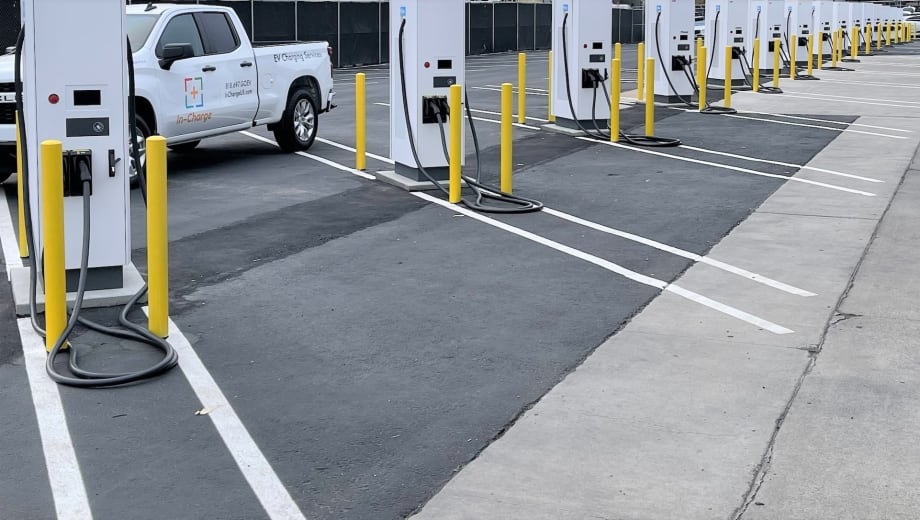
Maintaining reliable chargers requires regular inspections by fleet managers, preventative maintenance by experienced electricians, and daily checks by network technicians who can see the chargers online.
Photo: InCharge Energy
3 min to read
We see the word “reliability” used all the time in EV charging. But if you’re new to electric vehicles, you might be scratching your head when you see this. You might ask yourself, “Why wouldn’t a charger be reliable?”
It’s an important question, especially for fleets, where uptime means everything. So let’s unpack this buzzword and how it relates to commercial fleet electrification.
What Reliability Means in EV Charging
I’ve worked in the EV space since the 1990s when GM launched the EV1. Since that time, reliability in EV charging has typically referred to whether a charger works to charge an EV. As new EV charging services and networking software have emerged, “reliability” is being applied in all sorts of contexts. Some companies for example boast 99% or greater reliability, while others are reportedly struggling to be available 60% of the time. It turns out these companies are referring to totally different product offerings. It can certainly feel overwhelming to the uninitiated.
Typically, reliability is used in reference to public chargers and charging networks, where people are relying on charging for personal transportation. Recent studies and government investments have put a great deal of attention on this sector.
In the commercial fleet space, we require our own definition of reliability. The way fleets operate and travel are different from the average driver, and the consequences of charging downtime and security breaches are different. Here’s what reliability needs to mean for fleets:
A charger safely puts kilowatt-hours into a fleet vehicle when the vehicle needs it at the full power level the vehicle requires.
How Reliability Is Measured
You’ve probably seen EV charging services promote “99% reliability” or “better than 99% uptime.” What goes into that calculation?
That really depends on the product being promoted. Let me break it down into two categories: hardware and software.
For hardware, EV charger reliability is measured by how effectively a charger puts kilowatt-hours into a vehicle.
However, reliability in this sense is difficult to measure consistently. Why? First, a charger may charge a vehicle but only to 50% power — is that still meeting your reliability requirement? Second, there are many different types of EVs out there, so you must factor your specific fleet mix. A charger may charge one vehicle perfectly, but a different model at only half the necessary power level.
Additionally, no matter how good an EV charger may be, users are interfacing with them every day. And as fleet owners and managers, you can certainly understand the toll that high utilization can take on a piece of equipment. Maintaining reliable chargers requires regular inspections by fleet managers, preventative maintenance by experienced electricians, and daily checks by network technicians who can see the chargers online.
For software, reliability is even stickier to quantify.
Charger management software tracks each charger in a fleet’s charging infrastructure. I’ve seen a few examples from software companies that boast nearly 100% reliability. What they're calculating is how many times their software checks in with a charger — that’s it.
That’s not a measure of whether the charger actually provides kWh to the vehicles. And when a charger is down, it often requires an experienced technician to repair it, not a remote software solution.
Questions for Charging Services
As you begin electrifying your fleet, ask these questions when you’re talking to EV charging infrastructure services:
How many chargers are you currently maintaining and using to serve fleet vehicles?
How do you provide reliability and how do you measure it?
What are the common failure points in your system?
Do you rely on subcontractors? To what extent?
What is your speed of resolution when my chargers are down?
How can I design my installation to be reliable and resilient?
As you plan to electrify your fleet, it’s incredibly important to understand the word that’s so fundamental to EV charging — reliability — as pedestrian as it might seem. Set your fleet up for success by establishing high reliability standards early and getting agreement from vendors on what it means.
Subscribe to Our Newsletter
More Green Fleet
Sponsored•October 1, 2026
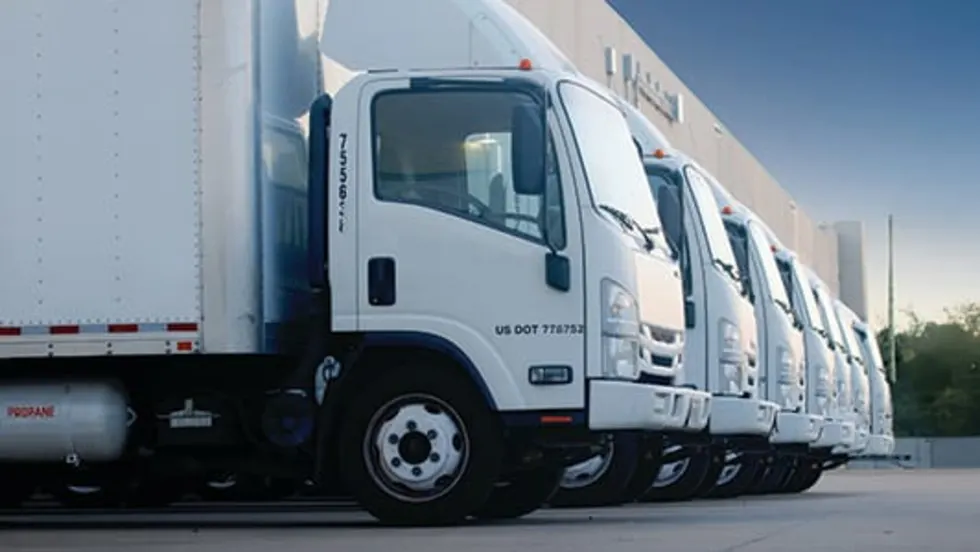
New Propane Autogas Program Offers Fleet Compensation
Qualified commercial fleets can receive $7,500 per eligible propane autogas vehicle and up to $10,000 for new refueling site prep. Learn how the program works and see whether your fleet qualifies.
Read More →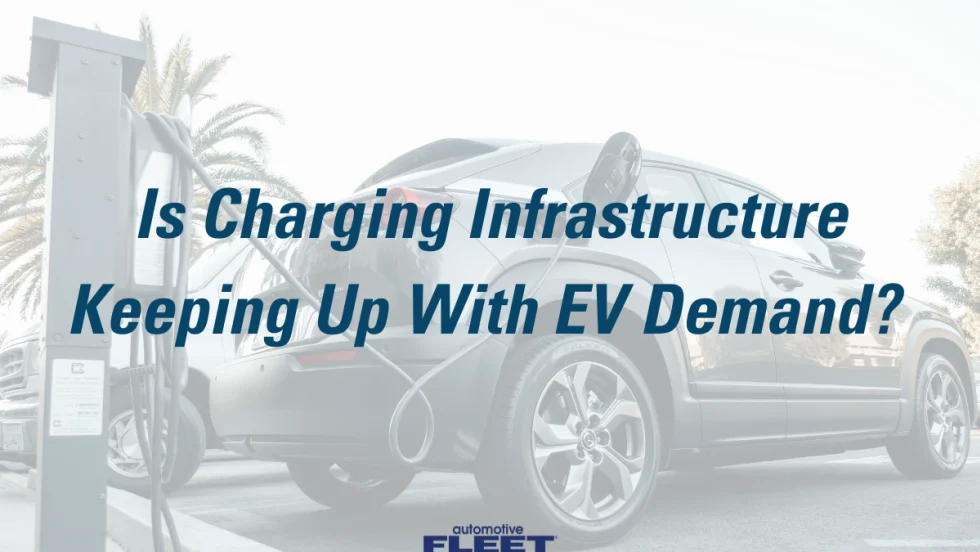
EV Charging Use Is Outpacing Infrastructure Growth
ChargePoint’s 2026 Charging Forward Report points to rising charger use, higher-powered charging, commercial vehicle electrification, and energy-management technology. Here’s what fleets should know.
Read More →
Merchants Fleet Reports 290M EV Miles as Fleets Navigate Changing Electrification Market
From millions in operating savings to hundreds of millions of EV miles, Merchants Fleet’s latest report reveals what’s working and what’s changing in fleet electrification.
Read More →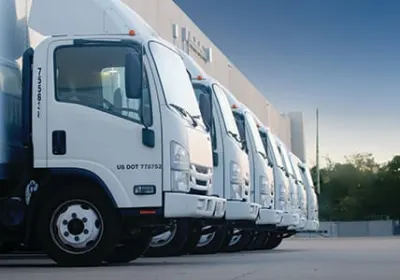
The EV Breakdown Nobody's Talking About: Why Most Electric Vehicle Roadside Calls Aren't Mechanical Failures
Here's why EV breakdowns are widely misunderstood.
Read More →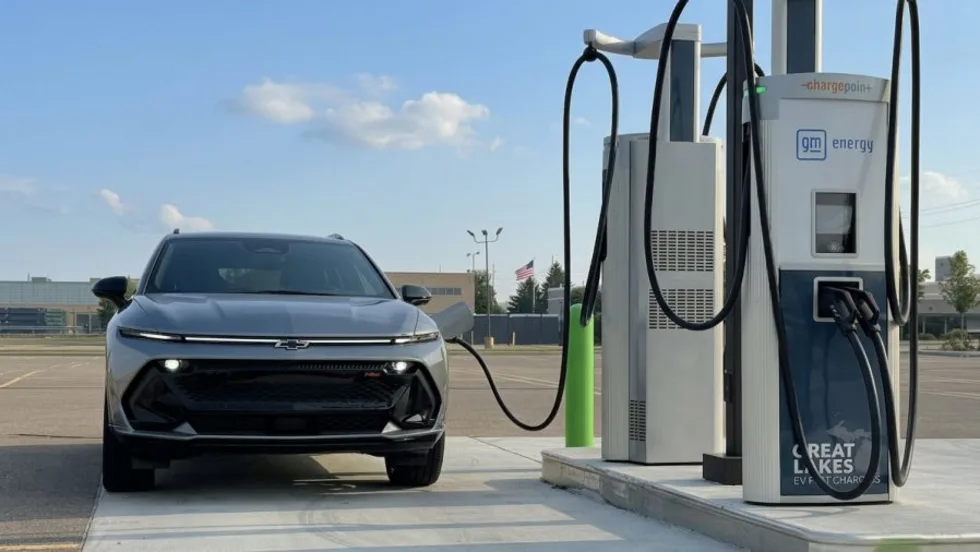
ChargePoint Now Available in Energy Pass
ChargePoint and additional planned charging network integrations were added to GM's Energy Pass.
Read More →

First Look: Slate Auto's Electric Fleet Pickup
Could an affordable, modular EV pickup make electrification more practical for fleets?
Read More →
Slate Debuts Colorful, Unique EV Models
A recent media and client event, studded with electric vehicles dressed up on platforms, planted a new position for the manufacturer in the wider EV market. Fleets will find cost-saving advantages.
Read More →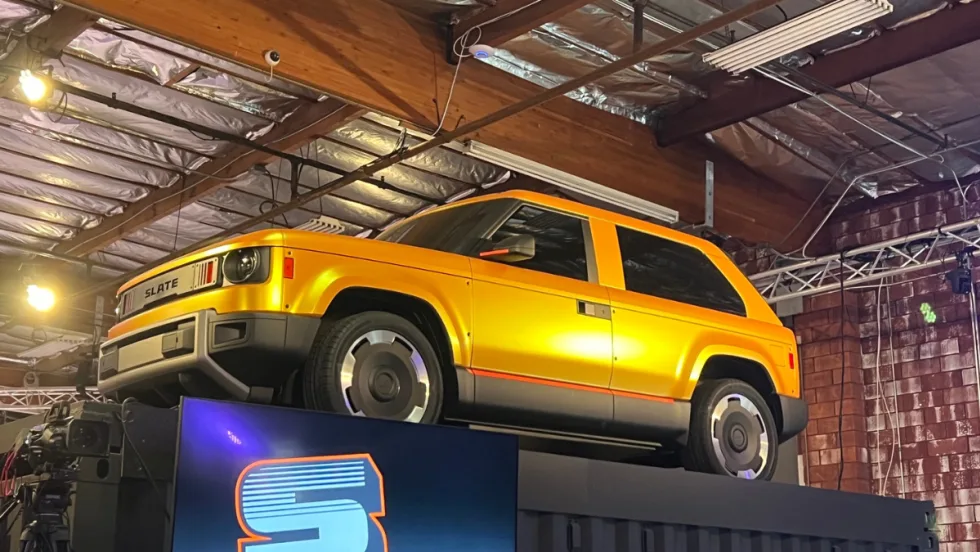
Slate Electric SUV, Pickup Switchable Model Aims For Light-Duty Fleets
Everything about this EV is counterintuitive and understated, making it stand out from the crowd.
Read More →
Inspiration Mobility Acquires Key Electrada Assets
Inspiration Mobility Group has acquired select assets of Electrada, adding the fleet electrification provider's team, technology, and charging infrastructure development capabilities to its energy management business.
Read More →