





Related: Tips for Navigating the Increase in Available Fleet Technologies
Real-Time Data: a Field Operations Management Tool
The proliferation of connected vehicle technology generating real-time telematics data is a valuable business intelligence tool for field operations and services.
February 1, 2023

The value of business intelligence lies in drawing insight from data, like that from telematics, to turn it into measurable revenue generation, cost savings or corporate efficiencies.
Photo: ThisIsEngineering
2 min to read
The proliferation of connected vehicle technology has created the capability to use vehicle-generated data to optimize field operations and services. Today, real-time telematics data is gaining a growing recognition as a valuable business intelligence (BI) tool for field operation entities to collect, integrate and analyze business information.
Using fleet vehicles as rolling data platforms, telematics can function as a dynamic BI tool. Not only is the data real-time, but it can be very granular. This data can be examined by region, business segment and vehicle class. Furthermore, it can be dissected by daily volume of trips made by specific types of commercial vehicles compared against past operating behaviors. Data analytical tools create the ability to turn raw data into actionable events.
Currently, and even more so in the future, fleet productivity will revolve around telematics. Fleet productivity tools are evolving at a rapid pace due to the improvements in the standardization of data collected between telematics providers and their devices, as well as between vehicle types. Ultimately, data generated by the vehicle itself, combined with its actual and predictive maintenance data, will allow fleets to target replacement schedules on a vehicle-by-vehicle basis rather than a generalized time/mile replacement policy.
The value of business intelligence lies in how well an organization can draw insight from data to turn it into measurable revenue generation, cost savings or corporate efficiencies. As more connected vehicles enter fleet service, a growing source of industry insight and business intelligence will be telematics data.
Next-Gen Data Analytics
The next generation of data analytics will correlate these massive amounts of data points to identify new best practices that will find applications in unanticipated areas outside fleet management.
Micro-Weather Forecasting: Data from the operation of windshield wipers tied to a GPS coordinate are now a part of a “Weather-of-Things” ecosystem. Companies, such as HyperCast, provide minute-by-minute, street-by-street weather forecasts using vehicle telematics data, cell tower signals, data from planes, drones and IoT devices.
Seismic Detection Tool: Telematics devices are equipped with accelerometers that track acceleration in the X, Y, and Z axes. While these readings are typically used to help fleets meet their safety goals by reducing erratic driving events and in accident reconstruction, they can also be used to monitor the effects of other forces exerted on a vehicle while it is parked. If sufficient seismic G-forces are applied to a vehicle, such as during an earthquake, they will trigger the telematics device’s accelerometer.
Collison Reconstruction: Vehicle telematics can provide the data to analyze and understand events that occurred before, during and after a collision. Telematics data provides an accurate scientific record of events that goes beyond word-of-mouth testimony.
Subscribe to Our Newsletter
More Telematics
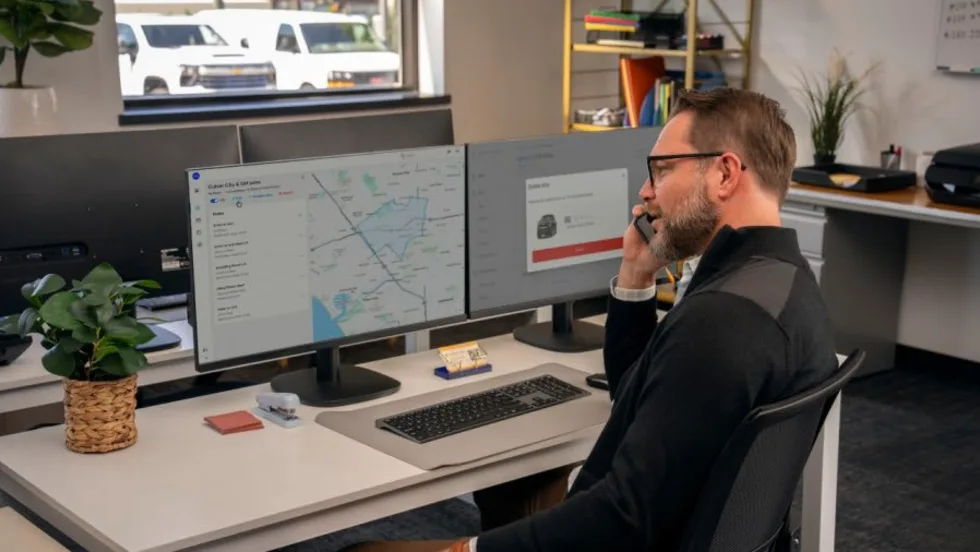
GM Launches OnStar Fleet Intelligence Platform With AI Assistant
The new platform brings vehicle data, order tracking, connected services and fleet analytics into one system, with an AI assistant that can answer fleet questions using natural-language prompts.
Read More →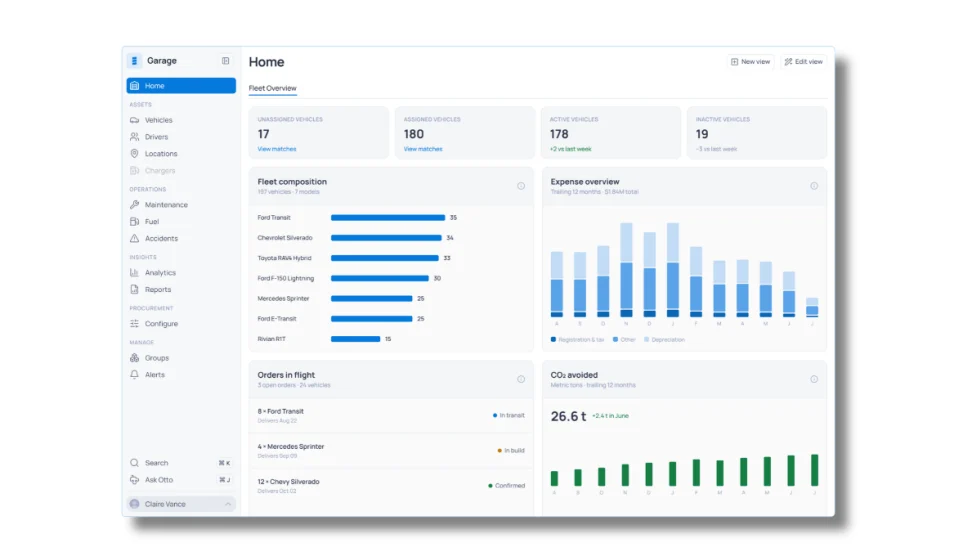
Inspiration Fleet Introduces Garage 2.0 Fleet Intelligence Platform
Fleet managers increasingly have access to data from vehicles, telematics, fuel, charging, and other systems, but those sources don't always communicate with one another. Inspiration Fleet's Garage 2.0 platform brings that information together while letting fleets keep working with different technology and service providers.
Read More →
Inside Inspiration Fleet’s New Platform for Connecting Fleet Data
Inspiration Fleet CTO Chris Getner explains how the new Garage 2.0 platform is designed to connect disparate fleet data and what that could mean for fleet managers in practice.
Read More →
Sponsored•October 1, 2026
Fleet Manager’s Ultimate Playbook: Navigating the New Standard in OEM Connectivity
Rising operating costs, driver safety concerns, and unplanned downtime are putting unprecedented pressure on modern fleets. Discover how fleet managers use embedded OEM connectivity and real-time vehicle data to cut TCO, prevent downtime, and protect drivers without aftermarket telematics hardware.
Read More →
Samsara Driver Perks Adds New Benefit for Corporate Fleet Drivers
The rewards program gives eligible professional drivers access to discounts from more than 50 brands while giving fleets another way to support recruitment, retention, and the driver experience.
Read More →
Inside the Church of Jesus Christ of Latter-day Saints’ Two-Track Telematics Strategy
With 20,000 vehicles and two fundamentally different driver populations, the Church faced a fleet management problem that a single telematics program couldn't solve. How it responded offers a replicable framework for any fleet where one size doesn't fit every driver.
Read More →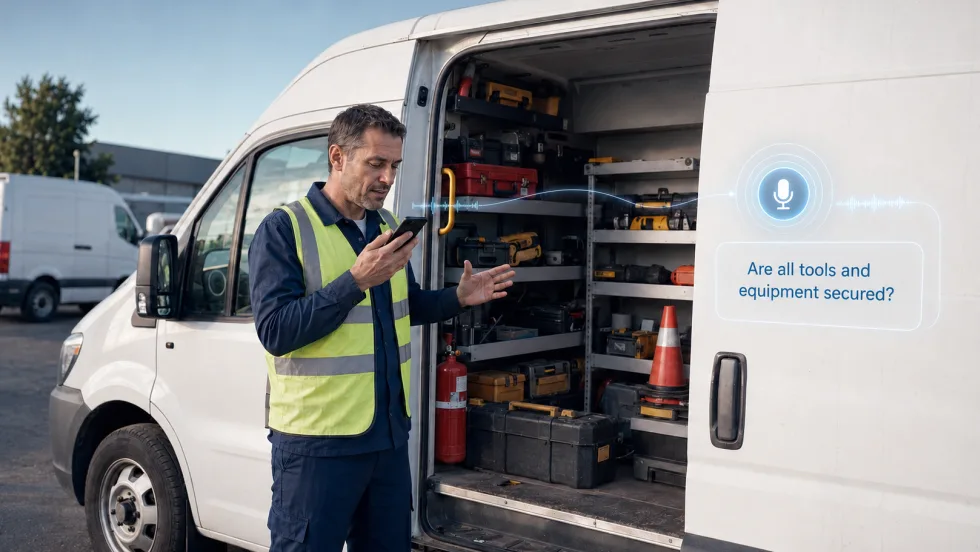
How Conversational AI Can Make Fleet Tasks Easier for Drivers
While most generative AI tools help fleet managers interpret data at their desks, Connex2X is applying voice interaction to tasks behind the wheel.
Read More →
Why Fleets Are Creating Dedicated Fleet Analyst Positions
Are fleet analyst positions the new norm? Listen here to find out.
Read More →
Teletrac Navman Begins Next Chapter as Standalone Private Company
What's new with Teletrac Navman and its new owner?
Read More →
Why Fleets Are Creating Dedicated Fleet Analyst Positions
Telematics, AI, EVs, and connected technologies are generating more fleet data than traditional teams can effectively manage. Reed Jackson explains why dedicated fleet analytics roles are emerging to turn that information into better operational decisions.
Read More →