




Public Sector Fleet ManagementVehicle Overloading Is Expensive & Dangerous
In public sector fleet operations, the number-one cause of overloading is when a vehicle is not used for the spec’ed application. In other situations, overloading is intentional, as is sometimes the case with garbage trucks. In these instances, drivers overload vehicles to minimize the number of runs needed to offload the collected garbage. Overloading also occurs due to operator ignorance. For example, as parks and rec-reation truck may be spec’ed to haul a certain volume of grass cuttings, but


A Safety Issue
One of the best ways to determine whether vehicles are being overloaded is during PM intervals. There are several way to
determine overloading: a sagging rear end, irregular tire wear,
premature brake wear, and loose unresponsive suspension and
steering. You should also take the opportunity to walk around your fleet operation and assess actual vehicle usage.
Overloading is dangerous because it creates an unsafe vehicle and increases liability exposure in the event of an accident. Consider the following:
Emergency handling capability of an overloaded vehicle is drastically reduced, which may result in an accident.
Braking distance increases significantly, which can cause drivers to misjudge stopping distances.
Tire failure rates are higher, because tires run hotter. Ways to Avoid Overloading
There are five steps you can take to avoid overloading: 1. Avoid Modifying Vehicles.
It is advisable to avoid modifying a vehicle to accommodate a heavier payload, such as changing tire sizes, adding spring kits, air shocks, heavy-duty brakes, and anti-sway kits. When you modify a vehicle, you creat an unsafe situation by changing the integrity of the vehicle. In addition, this may affect the new-vehicle warranty and increase liability exposure if there is an accident. 2. Install Weight Meters.
A weight meter will automatically determine payload weight and help to minimize unintentional overloading. 3. Select a Different Vehicle.
You may not need a larger vehicle to carry the desired payload, just a different vehicle. A cargo van may not be best for your needs: you might do better with a pickup truck with a topper combination and pull-out shelving system, which can haul more weight. 4. Don’t Carry Unnecessary Items.
One way to avoid overloading a vehicle is to eliminate unnecessary equipment or shelving. Modify storage bin units to fit your needs. Clean out the unnecessary items. Carry only those items that you know you will need. If given an opportunity, drivers will carry everything they can conceivably fit into a vehicle. 5. Train Drivers on Proper Load Distribution.
Design loading areas in a vehicle that force workers to position cargo and material correctly. It is important to train drivers on proper loading techniques, such as balancing the load, so that drivers don’t create an unsafe driving situation. The Bottom Line
The bottom line is that overloading is not only expensive from the standpoint of maintenance, it also increases fuel consumption, which adds to a vehicle’s operating expense. Let me know what you think. mike.antich@bobit.com
More Operations
What Fleet Managers Really Want From Vendors
From customer service frustrations and technology breakdowns to RFQs, change management, and the growing impact of turnover across the industry, this conversation pulls back the curtain on the real operational challenges fleet managers are navigating every day.
Read More →
Fleet Safety Masterclass: Industry Leaders on Storytelling, Strategy & Innovation
In this special masterclass episode, industry leaders break down what it really takes to build safer fleets in today’s increasingly distracted and data-driven world.
Read More →
Integrating Legacy Fleet Systems and Historical Data
In this episode, we bring together fleet and technology leaders to unpack the realities of data integration, system migrations, and the evolving role of AI in fleet management.
Read More →


From Resistance to Results: Change Management Strategies for Fleets
From new technologies and safety programs to evolving regulations, fleets are under constant pressure to adapt. But as Dr. Betz explains, success isn’t about the system you implement—it’s about whether your people actually use it.
Read More →
Where We're Headed: A Practical Look at AI in Fleet
Discover how AI is actually being deployed in fleets, not just marketed, including practical use cases and emerging risks.
Read More →
How Coca-Cola United Protects Its Fleet from Growing Legal Risk
Growing legal exposure can put fleets at risk. Here's one company's approach.
Read More →
Fleet Managers Think They Understand Their Costs. The Data Says Otherwise.
Most fleet managers say they have a strong handle on their costs, but new research from Bobit Business Media tells a different story. A 2026 survey of 190 fleet professionals reveals a widespread "confidence gap" where fragmented systems, disconnected data, and delayed reporting are leaving major blind spots hidden beneath the surface. Find out what the data actually shows.
Read More →
Cameras, Safety and Insurance: From Reactive Claims to Real-Time Prevention (Part 2 of 2)
Part Two: Commercial auto remains one of the most challenging and costly lines of coverage for fleet operators and insurers alike. Continue learning more about how to effectively address these issues from Onur Aksan, Enterprise Business Development Executive, Geotab
Read More →
New Trucks, AI & Summer Downtime | AF News Recap
From new truck updates to AI-powered driver coaching and summer maintenance tips, this week's fleet headlines are all about keeping things moving.
Read More →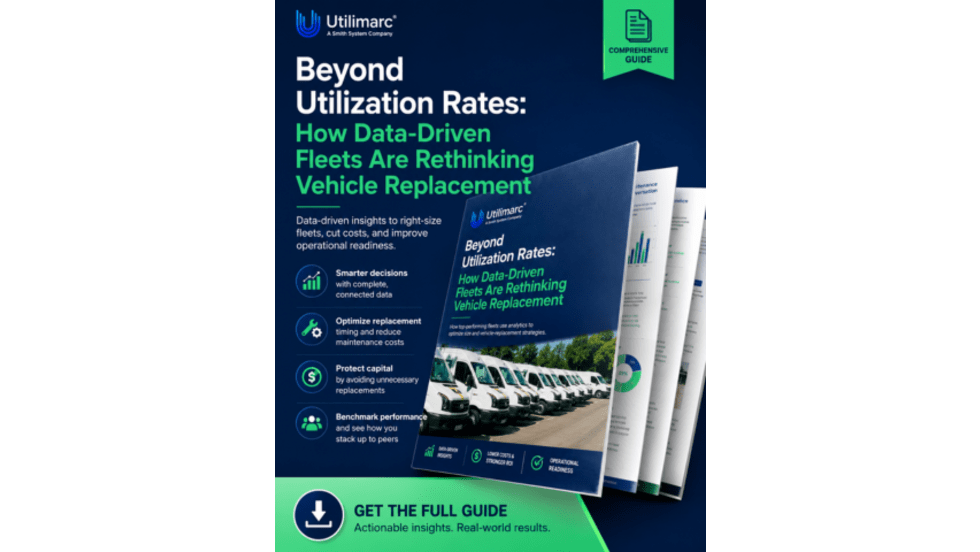
Beyond Utilization Rates: Smarter Fleet Replacement Decisions
Vehicle replacement decisions affect every aspect of fleet performance, from operating costs to asset availability. This guide explores how fleet leaders use integrated data, benchmarking, and lifecycle analytics to determine the right fleet size and optimize replacement timing with greater confidence.
Read More →