




Propane Cleans Up Medium-Duty Trucks
Not only does propane offer lower capital costs than diesel power, but tax credits are also available for the resulting low-emission vehicles.

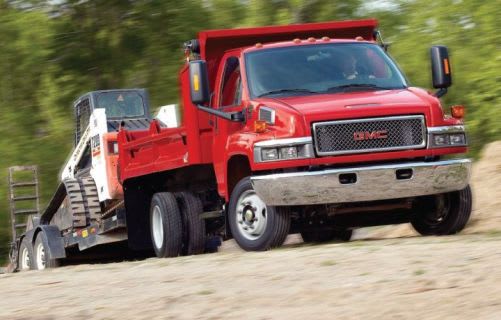
CleanFUEL USA has teamed with two other companies to develop and market propane-powered versions of trucks with General Motors’ (GM) 8.1L V-8 Vortec gasoline engine.
The Kodiak and GMC Topkick 3500-7500 series trucks use a liquid propane injection (LPI) fuel system developed by Italian propane engineering company, ICOM, in conjunction with CleanFUEL USA. GM supplies the engines compatible with gaseous fuels and the vehicle bodies. The ICOM-developed system is installed, the vehicle control module (VCM) is reprogrammed, and the truck is shipped to the dealer for buyer pickup.
The LPI system used in the vehicles replaces the gasoline fuel tank, fuel pump, and fuel injector rails with a pressurized system that delivers propane to the engine ports as a liquid. To operate in the trucks, the engine’s VCM is reprogrammed to run on liquid propane instead of gasoline. The LPI system controls fuel mixing and keeps the propane from vaporizing before injection.
Responding to Demand
In 2004, according to the CleanFUEL USA Web site, they responded to a demand by medium-duty truck and bus operators for a propane engine alternative. In conjunction with ICOM of Cisterna, Italy, the company developed an LPI system using its proprietary JTG-Common Rail technology for the GM 8100 Vortec engine. Based on European technology with more than 27,000 systems already in use, the LPI system delivers propane to the cylinders in liquid form, resulting in improved fuel economy and superior performance with lower emissions. The emissions meet estimated EPA requirements through the 2009 production year for both EPA 49 State and the California Air Resource Board (CARB) certification.
LPI is not just a liquefied petroleum gas (LPG) propane fuel system. It is an integrated system, designed specifically for the OEM engine. Using the GM P-59 engine computer with a dedicated calibration specifically for propane, the LPI system replaces the gasoline fuel tank, fuel pump and injector rails with a propane fuel tank, pump, and injector rails. LPI is a direct replacement of the OEM gasoline injection system.
Cost Advantages
The LPI vehicles cost about $10,000 more than their gasoline counterparts, but represent a $6,000 savings from a comparable diesel-powered truck. Taxable entities are eligible for a tax credit that equals 50 percent of the incremental cost of the vehicle, plus an additional 30 percent of the incremental cost for vehicles with near-zero emissions under the EPAct 2005’s Alternative Fuel Motor Credit. The LPI system on GM 3500-7500 series trucks is eligible for an 80-percent incremental cost credit. The propane used in the vehicles is also eligible for a 50-cent per gallon credit, regardless of tax status under the SAFETEA-LU Volumetric Excise Tax Exemption program.
The CleanFUEL USA Web site (www.cleanfuelusa.com) features an LPI medium-duty truck dealer list and a calculator that indicates how long it takes to recover vehicle costs with fuel savings. WT
More Green Fleet
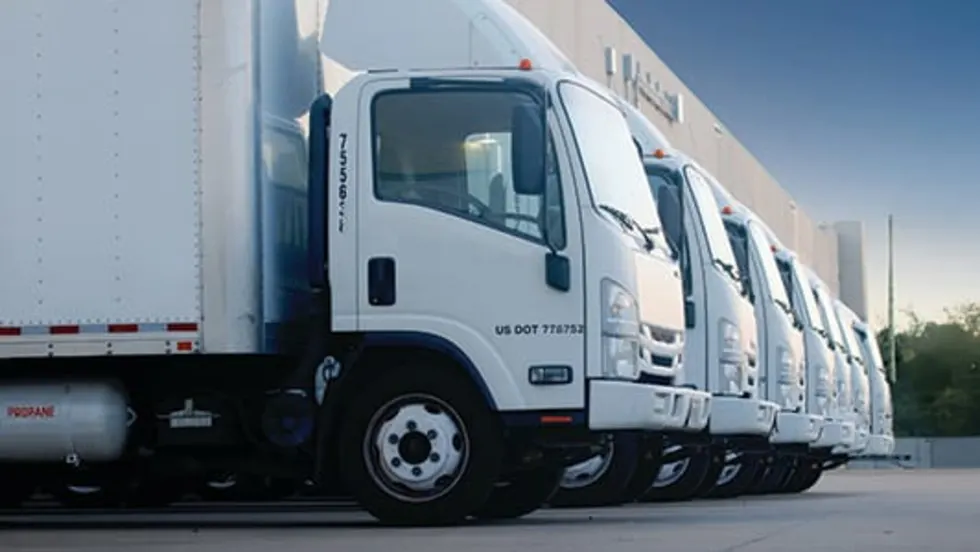
New Propane Autogas Program Offers Fleet Compensation
Qualified commercial fleets can receive $7,500 per eligible propane autogas vehicle and up to $10,000 for new refueling site prep. Learn how the program works and see whether your fleet qualifies.
Read More →
EV Charging Use Is Outpacing Infrastructure Growth
ChargePoint’s 2026 Charging Forward Report points to rising charger use, higher-powered charging, commercial vehicle electrification, and energy-management technology. Here’s what fleets should know.
Read More →
Merchants Fleet Reports 290M EV Miles as Fleets Navigate Changing Electrification Market
From millions in operating savings to hundreds of millions of EV miles, Merchants Fleet’s latest report reveals what’s working and what’s changing in fleet electrification.
Read More →

The EV Breakdown Nobody's Talking About: Why Most Electric Vehicle Roadside Calls Aren't Mechanical Failures
Here's why EV breakdowns are widely misunderstood.
Read More →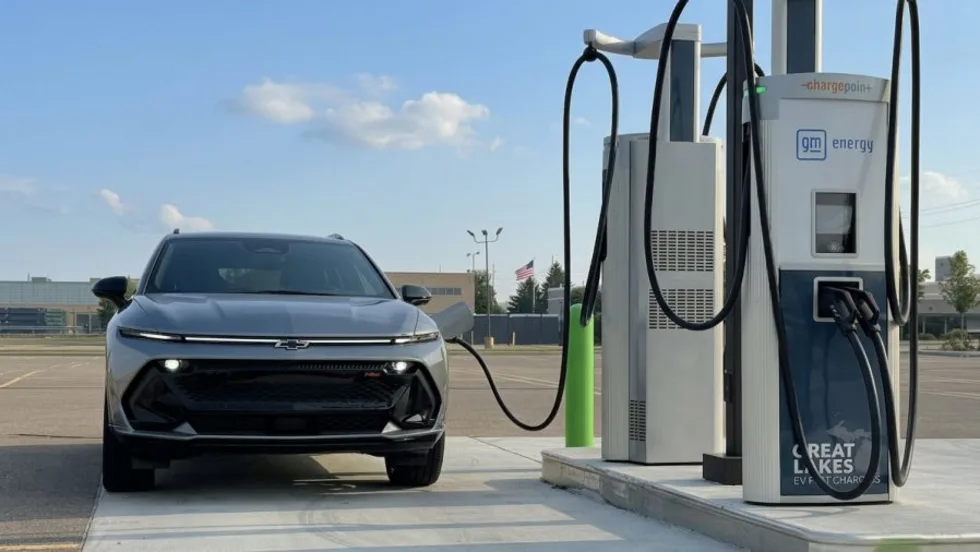
ChargePoint Now Available in Energy Pass
ChargePoint and additional planned charging network integrations were added to GM's Energy Pass.
Read More →
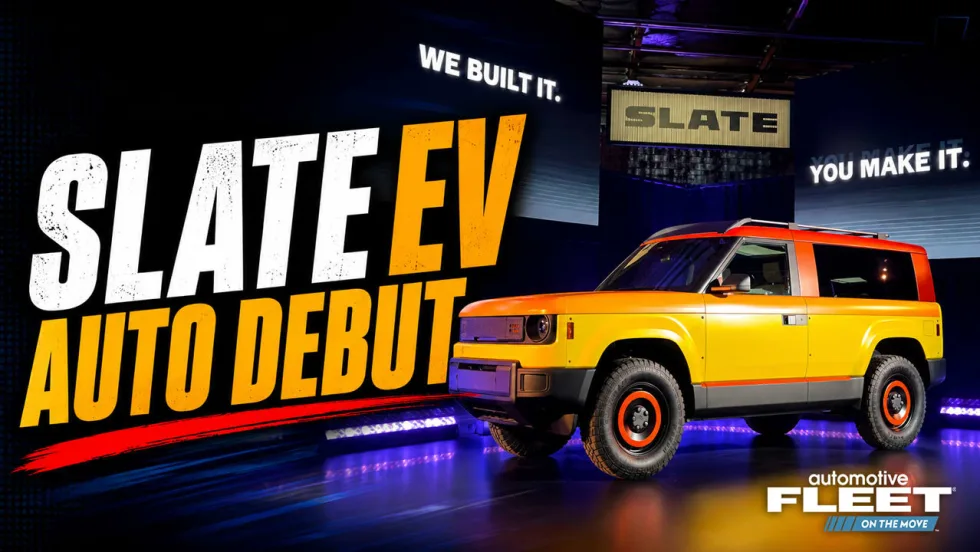
First Look: Slate Auto's Electric Fleet Pickup
Could an affordable, modular EV pickup make electrification more practical for fleets?
Read More →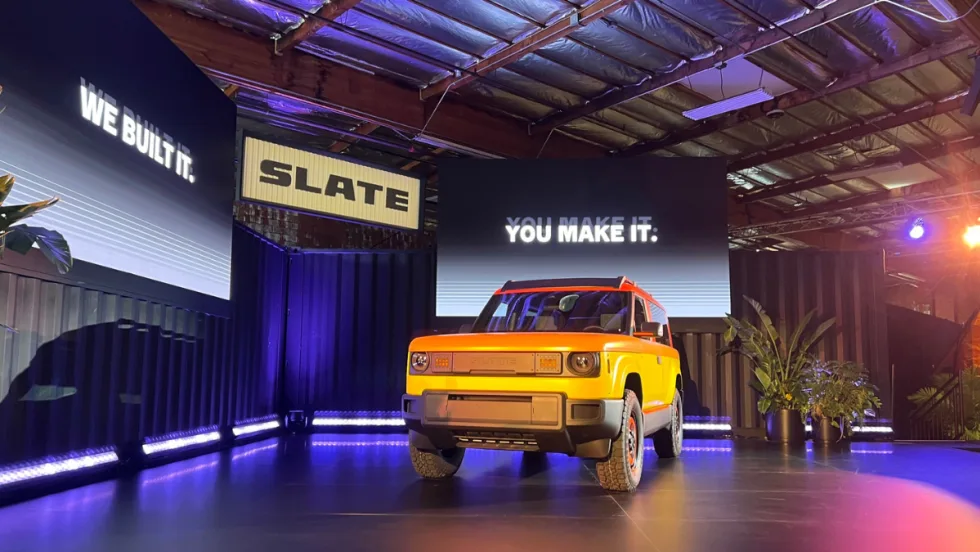
Slate Debuts Colorful, Unique EV Models
A recent media and client event, studded with electric vehicles dressed up on platforms, planted a new position for the manufacturer in the wider EV market. Fleets will find cost-saving advantages.
Read More →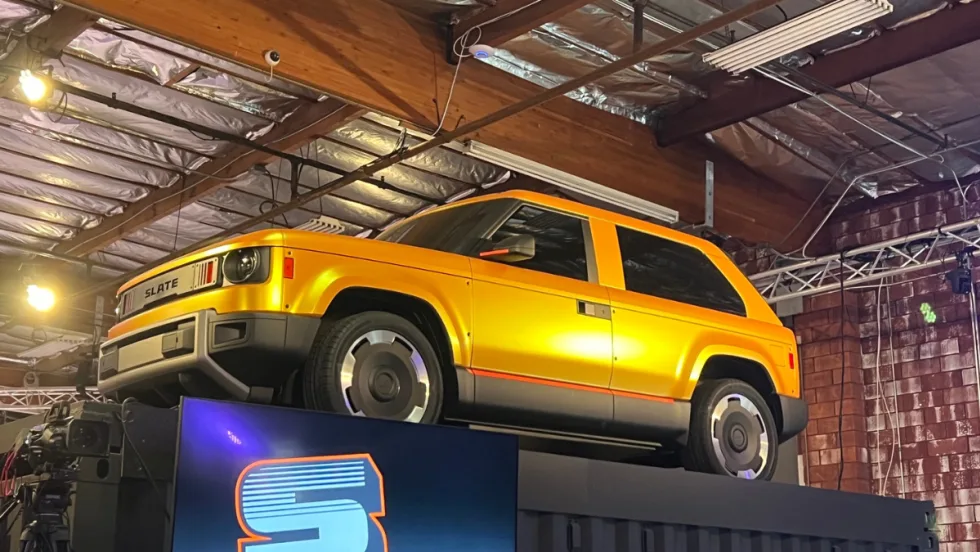
Slate Electric SUV, Pickup Switchable Model Aims For Light-Duty Fleets
Everything about this EV is counterintuitive and understated, making it stand out from the crowd.
Read More →
Inspiration Mobility Acquires Key Electrada Assets
Inspiration Mobility Group has acquired select assets of Electrada, adding the fleet electrification provider's team, technology, and charging infrastructure development capabilities to its energy management business.
Read More →