




Propane Autogas Cuts Paratransit Fleet’s Fuel Costs
By converting 14 of its paratransit vans to propane bi-fuel engines, this medical transportation company has been able to save about $60,000 in fuel costs annually.

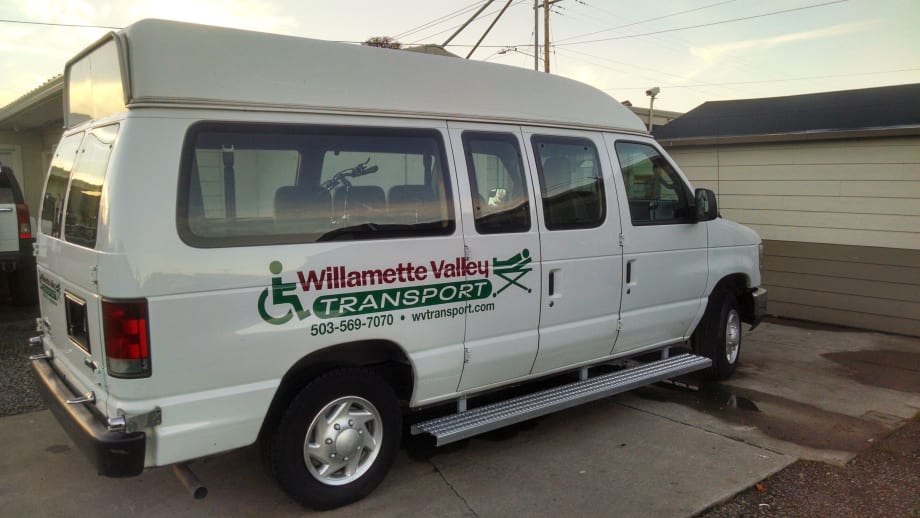
Willamette Valley Transport has converted 14 of its fleet vans to propane autogas.
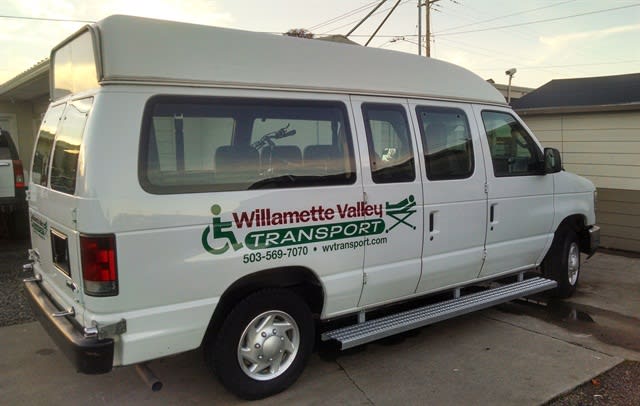
Willamette Valley Transport has converted 14 of its fleet vans to propane autogas.
For Willamette Valley Medical Transport (WVT), converting its paratransit vans to a bi-fuel propane engine has helped the company save in fuel costs as well as run a cleaner fuel.
Specializing in transporting disabled and handicapped patients to medical appointments, this medical paratransit company runs a fleet of 32 full-size wheelchair vans, which includes Ford E-150, E-250, E-350 vans and 2500 and 3500 Chevrolet Express vans. Based in Salem, Ore., owner Tim McClain refers to his fleet as “a cross between a taxi and an ambulance.”
“With our vehicle’s wheelchair lift, we are able to lift the patient and roll the wheelchair into the van,” says McClain. “I don’t buy the vans brand-new; they are already converted and ready for use. Sometimes they are used fleet vehicles or from a used car dealer.”
After meeting with Blue Star Gas, McClain signed a five-year contract to convert his fleet vans to propane autogas. As part of the contract, Blue Star would also help install an on-site propane refueling station.
Propane Partnership
As of now, WVT has converted 14 propane vehicles to bi-fuel propane autogas (three E-150 vans, eight E-250 vans, one E-350 van and two Chevy Express 3500 vans). McClain hopes to continue to switch more vans to propane, but at this point he has converted all of his eligible vans.
“A few of my vans are too old to convert and I will be taking some vans out of service soon,” says McClain. “As I look for more vehicles, I’m only looking for vehicles that would be eligible for conversion to propane.”
First partnering with Blue Star in 2012, McClain had two vehicle propane conversions completed and then one vehicle at a time — spread out over the last two years.
To install the bi-fuel engines, Blue Star set up contracts with outfitters that could perform the conversion and transported WVT’s vans to these locations. According to McClain, the conversion process took about a week and a half per van.
“A bi-fuel engine was a good selling point in case we didn’t have access to propane,” says McClain. “We try not to use the gasoline, but we will use it if there is an issue with filling propane.”
Conveniently, WVT has access to propane daily with an on-site refueling station located at its Salem facility. Coordinating the construction, Blue Star got the needed permits and helped install WVT’s 500-gallon propane tank and filling station pump, says McClain.
In addition to installing the filling station, Blue Star Gas has also helped with propane training — for both WVT employees as well as its local mechanic at Express Fleet Service.
“Blue Star has conducted four safety meetings at our facility to teach employees how to safely refill the vehicles, how to turn on the pump and how to look and read the propane fuel gauge,” says McClain. “Blue Star also trained our mechanic at Express Fleet Service on how to work on propane-powered vehicles. Blue Star flew out a mechanic to do training for a day and has given our mechanic access to a contact number for any repair or maintenance questions.”
Fuel Savings
Covering a service area of more than 120 miles, McClain’s fleet vans average between 25,000 to 30,000 miles a year. With each van driving 100 to 200 miles per day, the payback for the bi-fuel propane conversions has been about a year, according to McClain.
Switching to propane has cut WVT’s fuel savings close to 50%, says McClain. In fact, using the on-site propane pump has saved WVT an average of $60,000 per year in fuel cost.
“The cost of conversion, infrastructure and return on investment are the first things potential clients notice when evaluating which alternative fuel to choose,” says Darren Engle, director of government relations for Blue Star Gas. “You can install 10 propane autogas fueling stations for what it costs to install one CNG station. That, coupled with the smaller size and lighter weight of the fuel tank, makes propane autogas the obvious choice for light- or medium-duty vehicles, such as WVT’s paratransit fleet.”
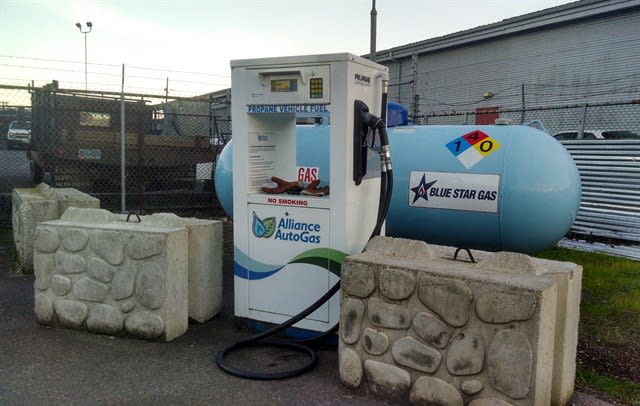
Installed on-site, WVT has a propane tank and a refueling station located at its Salem location.
Originally posted on Work Truck Online
More Green Fleet

Merchants Fleet Reports 290M EV Miles as Fleets Navigate Changing Electrification Market
From millions in operating savings to hundreds of millions of EV miles, Merchants Fleet’s latest report reveals what’s working and what’s changing in fleet electrification.
Read More →
The EV Breakdown Nobody's Talking About: Why Most Electric Vehicle Roadside Calls Aren't Mechanical Failures
Here's why EV breakdowns are widely misunderstood.
Read More →
ChargePoint Now Available in Energy Pass
ChargePoint and additional planned charging network integrations were added to GM's Energy Pass.
Read More →

First Look: Slate Auto's Electric Fleet Pickup
Could an affordable, modular EV pickup make electrification more practical for fleets?
Read More →
Slate Debuts Colorful, Unique EV Models
A recent media and client event, studded with electric vehicles dressed up on platforms, planted a new position for the manufacturer in the wider EV market. Fleets will find cost-saving advantages.
Read More →
Slate Electric SUV, Pickup Switchable Model Aims For Light-Duty Fleets
Everything about this EV is counterintuitive and understated, making it stand out from the crowd.
Read More →
Inspiration Mobility Acquires Key Electrada Assets
Inspiration Mobility Group has acquired select assets of Electrada, adding the fleet electrification provider's team, technology, and charging infrastructure development capabilities to its energy management business.
Read More →
Turning Connected Vehicle Data Into Decisions That Matter
Fleet leaders have more data than ever, but turning that data into clear, actionable decisions remains a challenge. This white paper shows how leading organizations are using connected vehicle data to improve safety, reduce costs, and optimize fleet performance. Learn how to turn insight into action across your fleet.
Read More →
Are You Tracking Your Fleet's True Total Cost of Ownership?
Bobit Business Media surveyed 190 fleet professionals and found that while most fleets are tracking costs, fragmented systems and data gaps are keeping true TCO visibility out of reach. With rising pressure to control spend in an increasingly volatile environment, the gap between what fleets think they know and what the data actually shows is wider than you might expect. See how your peers are managing costs today and where the industry still has room to improve.
Read More →