




Preventing Tire Blowouts in the Summer Heat
A few proper maintenance techniques can keep tires healthy and prevent blowouts.

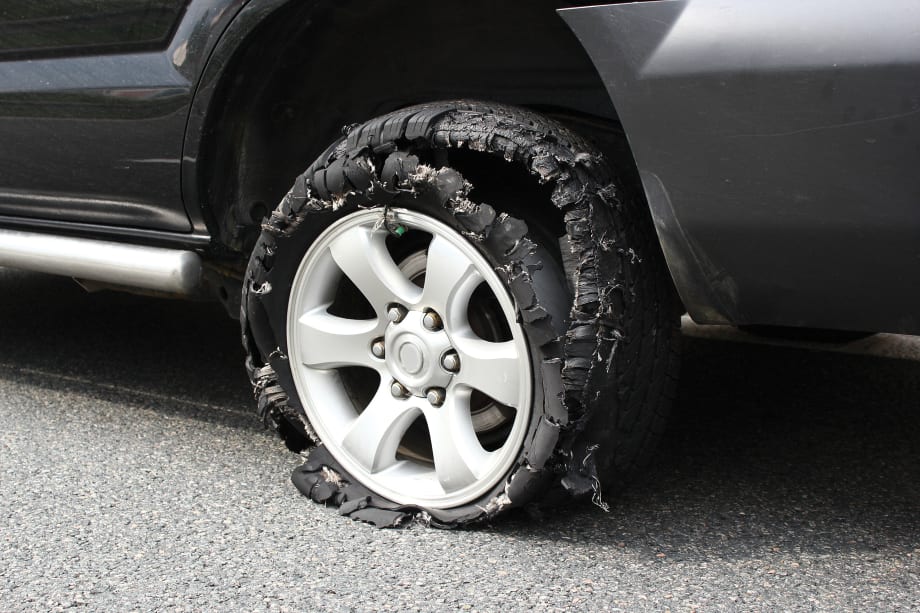
Photo: istockphoto.com
Monitoring tire pressure is a key element to proper vehicle maintenance for fleet drivers. And now that summer has arrived, monitoring tire pressure should be an even bigger focus due to the number of tire blowouts that occur as a result of the summer heat.
But this doesn’t mean that blowouts occur only when summer arrives. Fleet drivers should keep proper tire evaluation in mind year-round, which begins with making sure the tires of a vehicle are at their ideal operating pressure.
“If the air pressure is correct for the load, then the weather should have a minimal effect on the condition of the tire,” said Kevin Rohlwing, senior vice president of training for the Tire Industry Association. “However, when a tire is underinflated and therefore overloaded, hot weather increases the amount of internal heat that builds up as a result of the overflexing.”
Keeping Tires Healthy
Tire tread separation occurs when internal heat reaches its limits, and the bonds between the belts of the tire and the casing break down. This could lead to the deterioration of the tire’s belt package or the separation of the belts from the casing of the tire.
Any tire that operates with less than its recommended operating pressure — 80% — is more likely to fail in higher temperatures. However, a tire can still fail in colder temperatures, said Rohlwing. If the tire has not reached its recommended operating pressure, it could still fail, but would take longer because the cold air flow keeps temperatures down.
“A few pounds underinflated in the winter where all of the driving is local won’t experience as much degradation as the same tire in hot weather about to embark on a long highway trip,” said Rohlwing. “Underinflated tires on fully-loaded vehicles during summer road trips can experience enough degradation to fail within hours if the pressure is too low.”
Proper Inflation
A tire that is inflated properly can flex enough to adapt to changes in the road surface, but not so much that it generates excessive levels of heat, according to Rohlwing.
Because tire pressure is so important, a fleet driver needs to check his or her tires daily. However, the best time to check a tire is when it has reached its ambient temperature. This is when the tire is the same temperature as the air. The best time to check inflation is first thing in the morning, which is when ambient temperatures are lowest, said Rohlwing.
In the heat, it can take up to three to four hours for the tire to reach its ambient temperature after a vehicle has operated for several hours.“If inflation pressure is checked hot, the pressures should be higher than the recommended level,” said Rohlwing.
When the tire has reached its ambient level and a fleet driver has determined that a tire needs to be filled to its recommended operating pressure, he or she can then inflate the tire appropriately. But, as with monitoring pressure, there are caveats to the inflating process.
“It’s a good idea to have some type of dryer or a way to limit the moisture in air lines to avoid inflating tires with moist air,” said Rohlwing. “Compressors should be drained more often and daily if necessary.”
If there is an excess of moisture in the air line, the rim of the tire can corrode and ultimately damage it.
Temperature is unrelated to the inflation process, Rohlwing noted. Improperly inflating tires possess risks in any kind of weather.
More Safety
IIHS Crash Avoidance Tests Reveal Safety Gaps in Cargo Vans and Work Trucks
New crash-avoidance ratings from the Insurance Institute for Highway Safety reveal inconsistent performance among commercial vehicles, with several popular cargo vans and heavy-duty pickups struggling to avoid collisions with other vehicles and pedestrians.
Read More →
What’s Next for Fleet? Safety, AI & Industry Recognition | AF News Recap
Could your company's culture be encouraging distracted driving? This week, we're exploring how workplace expectations affect driver safety, what AI, EVs, and autonomous vehicles could mean for the future of fleet management, and how fleet professionals can strengthen their award nominations.
Read More →
Does Your Fleet's Culture Encourage Distracted Driving?
What happens when the people responsible for enforcing safety rules are the ones setting the wrong example? The answer may reveal why some of the biggest risks to fleet drivers have little to do with what's written in the employee handbook.
Read More →
Fleet Manager’s Ultimate Playbook: Navigating the New Standard in OEM Connectivity
Rising operating costs, driver safety concerns, and unplanned downtime are putting unprecedented pressure on modern fleets. Discover how fleet managers use embedded OEM connectivity and real-time vehicle data to cut TCO, prevent downtime, and protect drivers without aftermarket telematics hardware.
Read More →
From Driver Well-Being to EV Charging | AF News Recap
Mental health belongs in the fleet safety conversation. This week, we’re looking at five ways fleets can support employee well-being before a crisis, plus Holman’s expansion in Mexico, new one-day Fleet Forward passes, and why EV charging demand is outpacing infrastructure growth.
Read More →
Nexar-Nauto Merger Aims to Give Fleets Better Safety Intelligence Through Larger Driving Dataset
Stefan Heck tells Automotive Fleet that combining more than 10 billion miles of driving history with Nexar's AI models will give fleets deeper insights into driver risk and roadway conditions than either company could provide independently.
Read More →
Don't Wait for a Crisis: 5 Ways to Build Mental Health Into Your Fleet Safety Program
For Suicide Prevention Month, fleet and safety leaders have an opportunity to put mental health where it belongs: at the center of workplace safety.
Read More →
How Camera Data Can Strengthen a Fleet’s Insurance Renewal
Insights from a commercial insurance carrier and a broker show how fleets can turn video telematic data, driver coaching, and improved claims results into a stronger case at insurance renewal.
Read More →
The Safest Fleets Aren’t the Ones with the Most Technology
You’ve made the telematics investment. Here’s how to capture the other half of its value and build the safest fleet on the road.
Read More →
Hidden in Plain Sight: Fleet Compliance Risks
Fleet compliance isn't just about having policies — it's about consistently enforcing them. This practical guide reveals six hidden compliance risks common in public sector and shared fleet operations and outlines proven strategies to improve visibility, accountability, and audit readiness
Read More →