




Polestar Rolls Out Electric Performance Vehicle For Fleet Industry
As EVs gain market share, an emerging global manufacturer from established OEM players has developed a premium fastback that achieves sustainability with advanced style and technology.

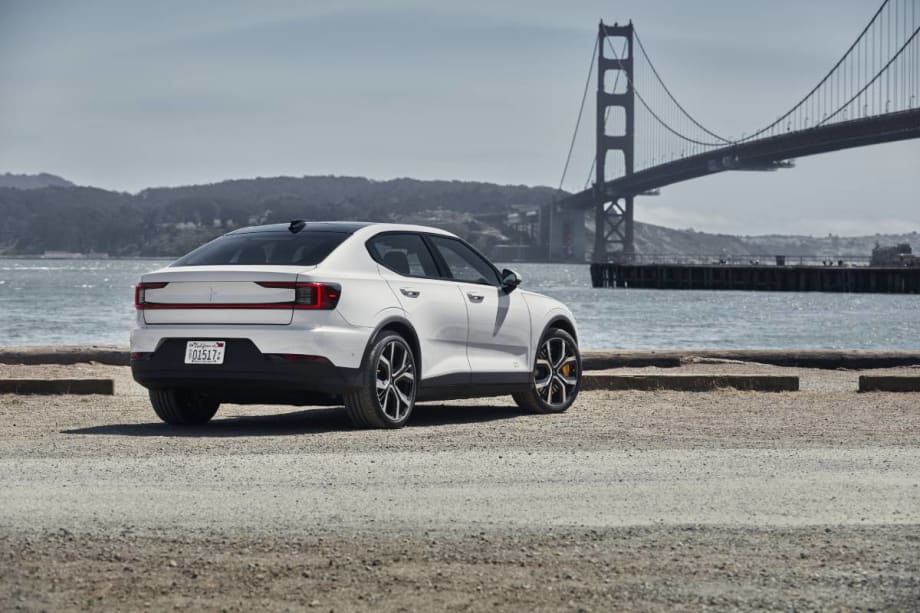
The Polestar 2 is rolling out this year as a practical, sophisticated electric vehicle that manages to come off as understated.
Photos: Polestar
In presenting a new entrant to the fleet sedan market, Polestar likes to play off its name, by promoting the three Ps: Pure, progressive, performance.
The Polestar 2 is rolling out this year as a practical, sophisticated electric vehicle that manages to come off as understated. That fits well with the corporate goal of a net zero-emission footprint through a product that provides all possible amenities in one all-electric package.
“Polestar is focused on driving change and that is particularly important as it relates to the fleet industry here in North America,” said Dennis Craig, head of Fleet North America for Polestar. “It is incumbent on every one of us to make decisions to reduce our footprint and it starts by bringing products to market that give companies a chance to meet their sustainability goals without sacrificing creature comforts and amenities.”
Electrifying A Global Market
Polestar, inspired and named after the guiding star, is part of a non-consolidated independent joint venture company, 50% owned by Zhejiang Geely Holding Group and 50% by Volvo Car.
The virtual company leverages Volvo Cars' and Geely's production, distribution, technology and development functions and costs. It is accessing fast-growing premium EV markets worldwide. Polestar spans the U.S., Canada, and Europe. So far it has 10 global markets with 40 retail “spaces” now open.
Polestar is pitching its 2 model to fleets that serve executives and high- and mid-level sales or professional staffs. “This is for drivers who are looking to make a statement without sacrificing an amazing driving experience” Craig said.
Outside of large conglomerate companies, Polestar is looking at potential clients that are compatible with the brand, such as utilities doing short term leases, green companies, hotels and city fleets interested in partnerships, and transportation network companies (TNCs) such as Uber and Lyft that need premium electric vehicles in their passenger fleets.
“When looking at their company’s sustainability goals, corporate leaders see the Fleet Department as a place to make rapid and drastic impact, but that’s not the whole story,” Craig said. “Partnering with a manufacturer that focuses on transparency and sustainability makes the decision easier to execute.”
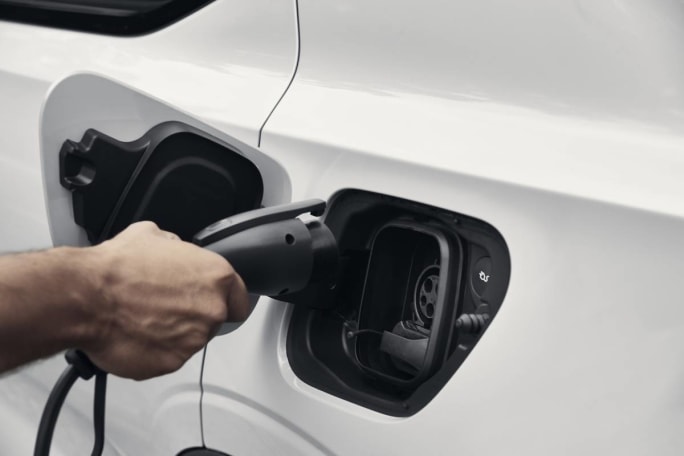
The Polestar 2 has a combined range of about 233 miles (U.S. EPA).
Sustainable Sources & Best Production Practices
The company builds its vehicles based on the two pillars of transparency and sustainability. It tracks its carbon performance while ensuring source materials comply with clean environmental standards and humane labor practices. The carbon footprint of its vehicles ranks far lower than those of comparable ICE vehicles, and the company strives to become climate neutral in its production and products.
It constantly analyzes and strategizes to reduce its carbon emissions from the “cradle” stage of raw materials used to build the vehicles and batteries, to the “grave” of the end of the vehicle lifecycle and disposal of its batteries.
For example, the manufacturer uses both recycled and virgin cobalt in producing the Polestar 2. Mining sites are inspected for sustainable practices and human rights. Through traceability, Polestar can verify that its cobalt originates only from inspected sources or recycling plants. The cobalt is traceable thanks to an innovative blockchain technology provided by its strategic partner, Circulor.
Advanced EV Amenities
The Polestar 2 features a long list of all-inclusive standard and luxury amenities. Exterior features include a panoramic sunroof, LED headlights, light sequences, adaptive rear lighting, and 288-LED taillights that shine more intensely the stronger you brake. They illuminate differently depending on the weather and provides a visual signal as to which direction the car is backing up.
The Polestar 2 is the first vehicle equipped with Google infotainment which is completely intuitive, Craig added.
In 2020, Polestar attracted a positive first response, with the Polestar 2 already winning more than 30 awards across its launch markets. These include titles such as Germany’s Golden Steering Wheel, and Car of the Year titles in Norway, Switzerland, Germany (Luxury) and China (Green Car).
For 2021, the company plans to expand the Polestar footprint with growth of the dealer network in North America. The Polestar 2 will be joined by new products in the near future as it pushes its vehicles further onto the global stage.
Originally posted on Charged Fleet
More Green Fleet
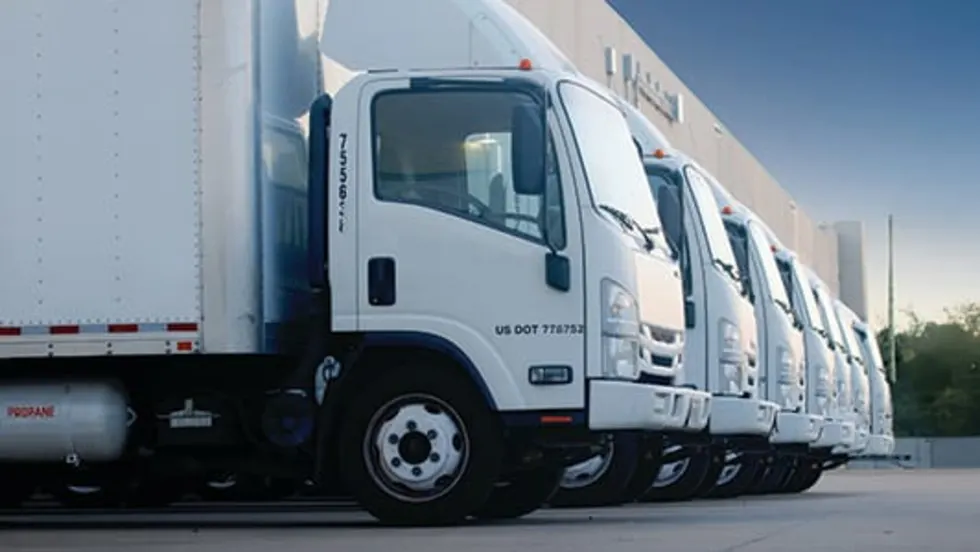
New Propane Autogas Program Offers Fleet Compensation
Qualified commercial fleets can receive $7,500 per eligible propane autogas vehicle and up to $10,000 for new refueling site prep. Learn how the program works and see whether your fleet qualifies.
Read More →
EV Charging Use Is Outpacing Infrastructure Growth
ChargePoint’s 2026 Charging Forward Report points to rising charger use, higher-powered charging, commercial vehicle electrification, and energy-management technology. Here’s what fleets should know.
Read More →
Merchants Fleet Reports 290M EV Miles as Fleets Navigate Changing Electrification Market
From millions in operating savings to hundreds of millions of EV miles, Merchants Fleet’s latest report reveals what’s working and what’s changing in fleet electrification.
Read More →
The EV Breakdown Nobody's Talking About: Why Most Electric Vehicle Roadside Calls Aren't Mechanical Failures
Here's why EV breakdowns are widely misunderstood.
Read More →
ChargePoint Now Available in Energy Pass
ChargePoint and additional planned charging network integrations were added to GM's Energy Pass.
Read More →

First Look: Slate Auto's Electric Fleet Pickup
Could an affordable, modular EV pickup make electrification more practical for fleets?
Read More →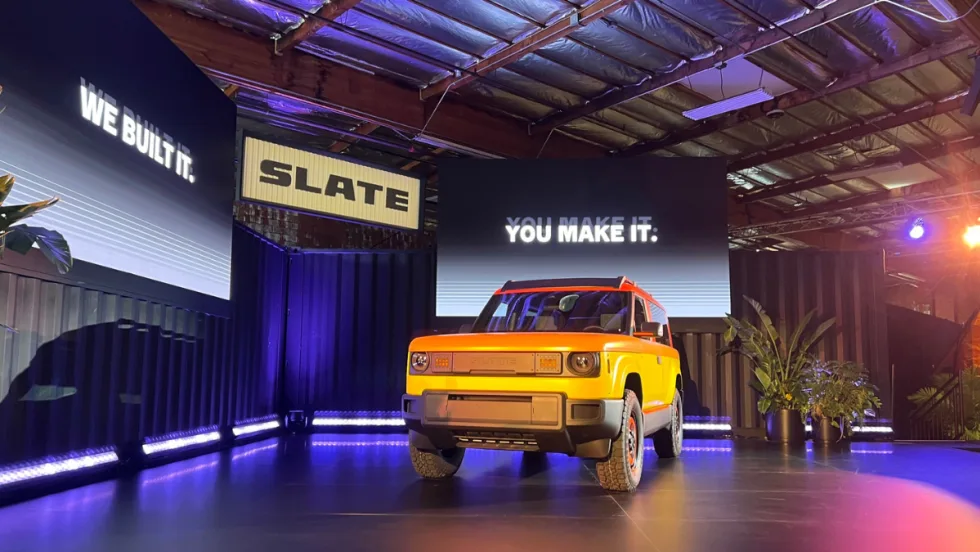
Slate Debuts Colorful, Unique EV Models
A recent media and client event, studded with electric vehicles dressed up on platforms, planted a new position for the manufacturer in the wider EV market. Fleets will find cost-saving advantages.
Read More →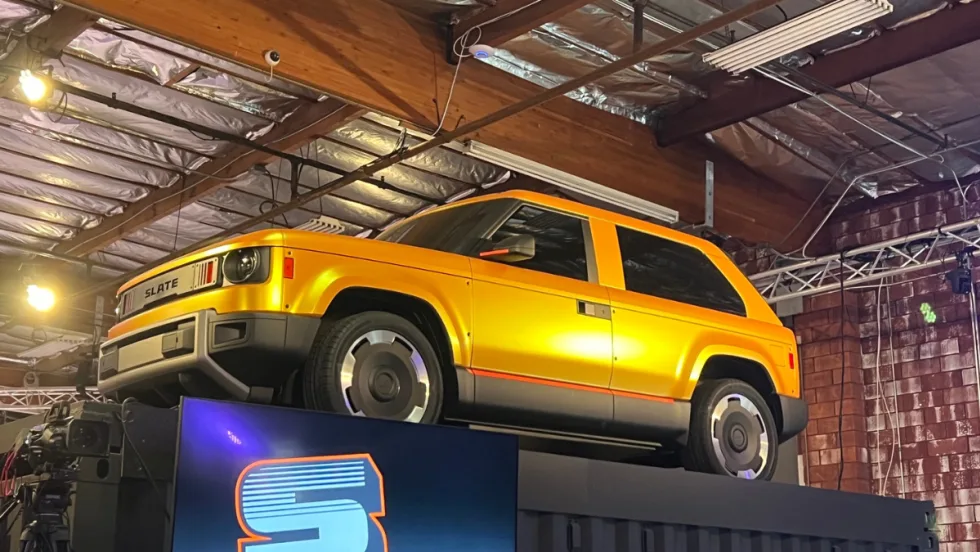
Slate Electric SUV, Pickup Switchable Model Aims For Light-Duty Fleets
Everything about this EV is counterintuitive and understated, making it stand out from the crowd.
Read More →
Inspiration Mobility Acquires Key Electrada Assets
Inspiration Mobility Group has acquired select assets of Electrada, adding the fleet electrification provider's team, technology, and charging infrastructure development capabilities to its energy management business.
Read More →