




PG&E's Fleet Electrification Efforts
California-based Pacific Gas & Electric (PG&E) already has programs to encourage light-duty vehicle electrification. With new initiatives, the utility hopes to electrify medium- and heavy-duty vehicles in its service area.

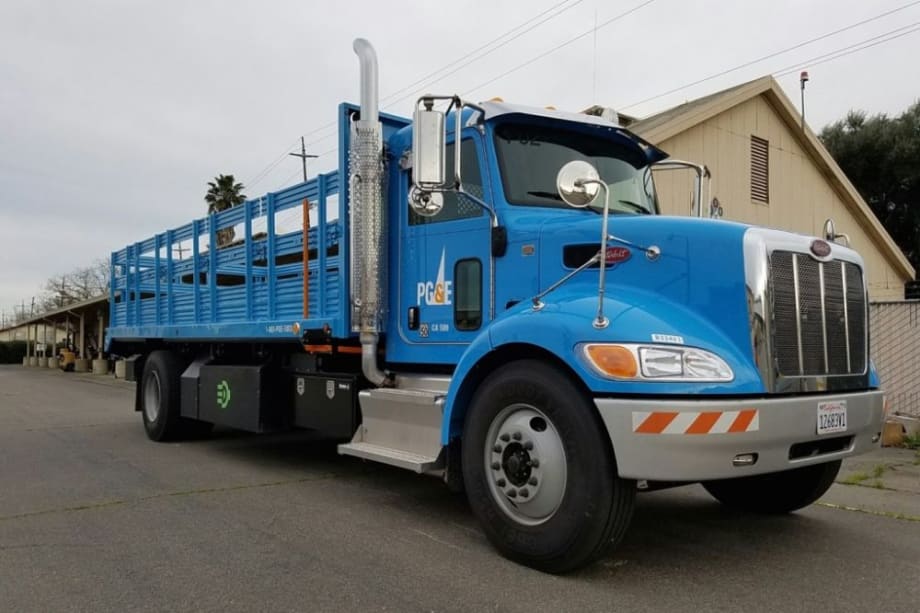
PG&E’s has 1,600 electrified units in its fleet, including hybrid-electric vehicles, plug-in hybrid-electric vehicles, and battery-electric vehicles.
Photo courtesy of PG&E
Over the past few years, electric trucks have dominated the headlines in the fleet industry.
With more and more electric vehicle technology entering the truck market, it seems that electrification will be the future of fleet. But introducing
new options is one thing — getting fleets to use them is another. Adopting electric vehicles requires an investment in infrastructure.
Pacific Gas & Electric Company (PG&E) hopes to ease some of that burden on fleets, with several initiatives in the works to support
electric vehicle adoption and lower the price tag associated with electric vehicles.
Short-Term Projects
The California Public Utilities Commission (CPUC) is the state agency that regulates privately owned utility companies. In January 2018, the regulatory body approved $41 million in funding for electric vehicle charging pilots proposed by the state’s three major electric utility companies: PG&E, Southern California Edison, and San Diego Gas & Electric.
Of PG&E’s four one-year pilot projects that were approved, three may affect the way electric vehicles are charged in the medium- and heavy-duty segment.
In one pilot, the utility plans to tackle idling. Ari Vanrenen, a principal communications representative for PG&E, noted that some of the company’s fleet customers leave vehicles idling due to heating or cooling.
Two other pilots may not involve truck fleets directly, but the findings may benefit these fleets in the future: PG&E will partner with one transit agency to figure out how the agency could leverage smart charging and battery storage to lower operating costs, and it will test an incentive structure that allows school bus fleets to charge electric vehicles during the day when there is an abundance of solar power available on
the electrical grid.
Because these pilot programs were recently approved, the details are still being discussed. As of now, the utility plans to choose one company or
agency for each pilot, but may add others to the pilots if budget permits.
Long-Term Plans
In January 2017, PG&E submitted a five-year proposal that would help to expand electrification for fleets with medium- and heavy-duty vehicles.
This may include school buses, transit agencies, and delivery fleets.
Under this proposal, PG&E would build out the infrastructure required to bring energy from the electrical grid to a vehicle charger. This recharging infrastructure is considered one of the most expensive aspects of electrical vehicle adoption, and would lower the barrier to entry for fleets interested in electrification.
“The idea of our program is to electrify these kind of vehicles to help address air pollution issues in California and support the state’s goal of reducing greenhouse gas emissions associated with transportation,” Vanrenen said.
In addition to electrical infrastructure, PG&E would recommend additional incentives for electrifying medium- and heavy-duty vehicles in disadvantaged communities, as well as school and transit buses.
Change Starts Within
PG&E’s new and proposed projects would make a huge impact on communities. But the utility has also made strides in electrifying its own fleet.
The utility has 1,600 electrified units in its fleet, including hybrid-electric vehicles, plug-in hybrid-electric vehicles, and battery-electric vehicles.
In 2016, the utility saved 10,000 metric tons in greenhouse gas emissions and over one million gallons of fuel, or about $3.8 million in fuel costs.
RELATED: How PG&E is Using Drones for Wildfire Response
Originally posted on Work Truck Online
More Global Fleet

GeoFencing Adds to Your Truck Security Arsenal
Geofencing is a familiar fleet tool today, but its early adoption marked a major shift in vehicle tracking, route monitoring, and the debate over employee privacy.
Read More →
Holman Takes Full Ownership of ARIZA in Mexico
Holman is bringing its Mexican fleet management operation fully under its own brand after more than 30 years as a joint venture. The change gives multinational fleet customers a single Holman operation across the U.S., Canada, and Mexico.
Read More →
5 Tire Maintenance Tips to Help Prevent Work Truck Downtime
Regular tire checks can do more than extend tread life. These five maintenance practices can help work truck fleets catch problems early, reduce costs, and prevent downtime.
Read More →

Proven Ways to Reduce Work Truck Downtime
The age-old problem of downtime will always be a reality, but with new strategies at hand, fleets have more ways to keep trucks on the road longer.
Read More →


Cameras, Safety and Insurance: From Reactive Claims to Real-Time Prevention (Part 2 of 2)
Part Two: Commercial auto remains one of the most challenging and costly lines of coverage for fleet operators and insurers alike. Continue learning more about how to effectively address these issues from Onur Aksan, Enterprise Business Development Executive, Geotab
Read More →
Cameras, Safety and Insurance: From Reactive Claims to Real-time Prevention
Commercial auto remains one of the most challenging and costly lines of coverage for fleet operators and insurers alike. Learn more about how to effectively address these issues from Onur Aksan, Enterprise Business Development Executive, Geotab.
Read More →
Fleet Costs Are Rising: Here’s How Leaders Are Responding
Fleet leaders are under pressure to reduce costs, adapt to economic uncertainty, and make smarter decisions. See how peers across North America are responding with real data, proven strategies, and forward-looking insights. Download the 2026 Market Pulse Report to benchmark your strategy and uncover where you can gain an edge.
Read More →
Enterprise Fleet Management Surpasses 900,000 Vehicles in U.S. & Canada
Enterprise Mobility connects with mobility solutions around the globe
Read More →