




PepsiCo Commits to Reducing GHG Emissions
The food and beverage company committed itself to an absolute reduction in greenhouse gas (GHG) emissions across its global operations, with a goal to reduce fuel-use intensity by 25 percent per unit of production by 2015.
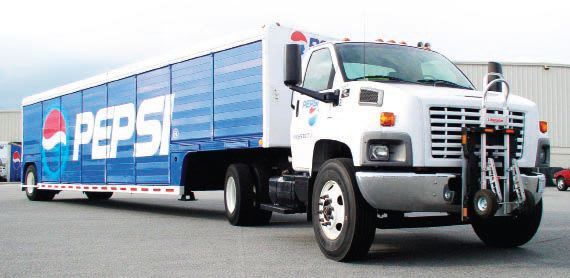
PepsiCo strengthened its commitment to make its operations even more environmentally-friendly in its recently released 2009 sustainability report.
PepsiCo operates 100,000 distribution routes directly or through its own fleets or through those of its bottlers worldwide and continuously looks for ways to reduce emissions from its fleet.
The food and beverage company is working to reduce its carbon footprint and has committed to an absolute reduction in greenhouse gas (GHG) emissions across its global operations, reducing fuel-use intensity by 25 percent per unit of production by 2015, reducing GHG intensity for U.S. operations by 25 percent through its partnership with the U.S. Environmental Protection Agency (EPA) Climate Leaders program, and improving its electricity use efficiency by 20 percent per unit of production by 2015.
In 2009, PepsiCo achieved a 13-percent reduction in per unit use of electricity in its beverage plants and a 6-percent reduction in its snack plants. There has been a significant reduction of fuel usage as well. In its international operations, the company realized an 18-percent reduction in fuel use per unit in its beverage operations, and an 8-percent reduction in its snack operations since 2006.
Most recently, the EPA awarded PepsiCo a 2010 ENERGY STAR "Sustained Excellence Award" in recognition of its continued leadership in protecting the environment through energy efficiency.
According to the report, PepsiCo's global environmental strategy is guided by its Environmental Sustainability Leadership Team, which comprises senior executives who lead its businesses' supply chain, global procurement, compliance, sales and marketing, and R&D departments, among others. At the front line of its efforts are PepsiCo's sustainability teams at its business headquarters and local manufacturing facilities around the globe. Associate volunteers form "Green Teams" that operate at many facilities. Through the teams' actions, the company is able to continuously improve its programs and look for ways to scale the good ideas being implemented across its global business.
More Green Fleet
New Propane Autogas Program Offers Fleet Compensation
Qualified commercial fleets can receive $7,500 per eligible propane autogas vehicle and up to $10,000 for new refueling site prep. Learn how the program works and see whether your fleet qualifies.
Read More →
EV Charging Use Is Outpacing Infrastructure Growth
ChargePoint’s 2026 Charging Forward Report points to rising charger use, higher-powered charging, commercial vehicle electrification, and energy-management technology. Here’s what fleets should know.
Read More →
Merchants Fleet Reports 290M EV Miles as Fleets Navigate Changing Electrification Market
From millions in operating savings to hundreds of millions of EV miles, Merchants Fleet’s latest report reveals what’s working and what’s changing in fleet electrification.
Read More →

The EV Breakdown Nobody's Talking About: Why Most Electric Vehicle Roadside Calls Aren't Mechanical Failures
Here's why EV breakdowns are widely misunderstood.
Read More →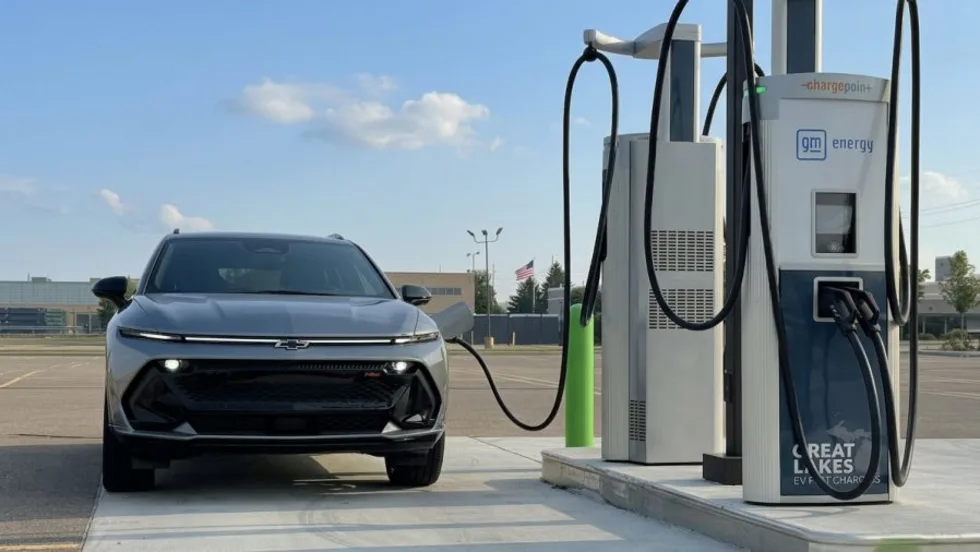
ChargePoint Now Available in Energy Pass
ChargePoint and additional planned charging network integrations were added to GM's Energy Pass.
Read More →

First Look: Slate Auto's Electric Fleet Pickup
Could an affordable, modular EV pickup make electrification more practical for fleets?
Read More →
Slate Debuts Colorful, Unique EV Models
A recent media and client event, studded with electric vehicles dressed up on platforms, planted a new position for the manufacturer in the wider EV market. Fleets will find cost-saving advantages.
Read More →
Slate Electric SUV, Pickup Switchable Model Aims For Light-Duty Fleets
Everything about this EV is counterintuitive and understated, making it stand out from the crowd.
Read More →
Inspiration Mobility Acquires Key Electrada Assets
Inspiration Mobility Group has acquired select assets of Electrada, adding the fleet electrification provider's team, technology, and charging infrastructure development capabilities to its energy management business.
Read More →