




Pepsi Beverages Company Fleet Adds Hydrogen-Injected Trucks
After an initial purchase of 21 hydrogen-injected trucks in 2009 units, Pepsi Beverages Company (PBC) now operates more than 140 hydrogen-injected vehicles on the road today, with more on order.

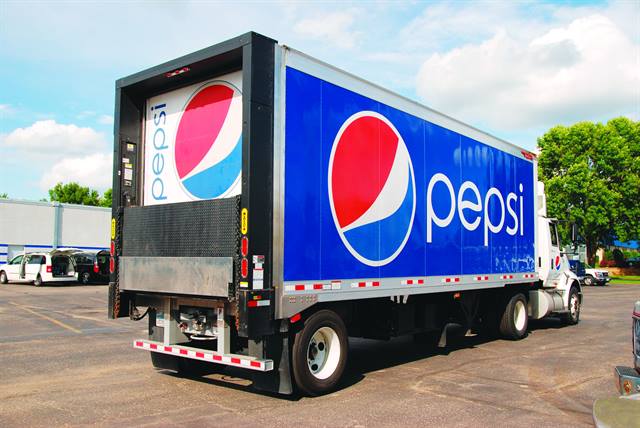
With more than 10,000 vehicles on the road, including both transport and delivery vehicles, Pepsi Beverages Company (PBC) started purchasing hydrogen-injected trucks in 2009, with an initial purchase of 21 units. The company now operates more than 140 hydrogen-injected vehicles on the road today, with more on order throughout the remainder of 2011.
PBC is PepsiCo’s beverage manufacturing, sales, and distribution operating unit in the U.S., Canada, and Mexico. It handles approximately 75 percent of PespiCo’s North American beverage volume. Headquartered in Westchester, N.Y., the company employs approximately 70,000 people.
In addition to the hydrogen-injected trucks, PBC operates hybrid-electric delivery vehicles and delivery vehicles that run on natural gas.
Big Fuel Savings Without Sacrificing Capability
According to a PBC spokesperson, the vehicles met the company’s standards for increased fuel economy and reduced carbon emissions. The vehicles carry heavy loads, so it was important to find a vehicle that could perform the job while reducing the environmental impact.
The hydrogen-injected trucks are day cabs, operating two shifts and averaging 200,000 miles per year. On average, each unit carries a trailer with a gross vehicle weight rating (GVWR) of up to 80,000 lbs.
Savings experienced based on use of the hydrogen-injected trucks will vary based on geography and climate, according to PBC, but on average, the vehicles are expected to achieve an increase of up to 15 percent in fuel economy, potentially reducing the company’s fuel usage by more than 4,200 gallons, per vehicle, per year.
The hydrogen-injected trucks are equipped with Dynamic Fuel System’s HydraGen, an onboard portable hydrogen generator that injects small amounts of hydrogen into the air intake as a combustion stimulant. The process is designed to reduce nitrogen oxides and hydrocarbon emissions, resulting in more power and better fuel economy.
PBC is always looking for opportunities to improve the fuel economy of its vehicles and reduce carbon emissions. In addition to the hydrogen-injected trucks on order, the manufacturing, sales, and distribution company also has additional hybrid-electric and natural gas delivery vehicles in the order queue for the remainder of the year.
The hydrogen-injected trucks are becoming the company’s standard, over-the-road vehicle when it makes new transport vehicle purchases.
"These fleet additions are a great opportunity to leverage new, cleaner vehicle technology," according to Shelby Green, director of fleet for PBC. "These trucks contribute to the environmental sustainability goals established by both Pepsi Beverages Company and PepsiCo as a whole. PBC is proud to grow our alternative-fuel vehicle fleet and contribute to a cleaner environment."
More Green Fleet
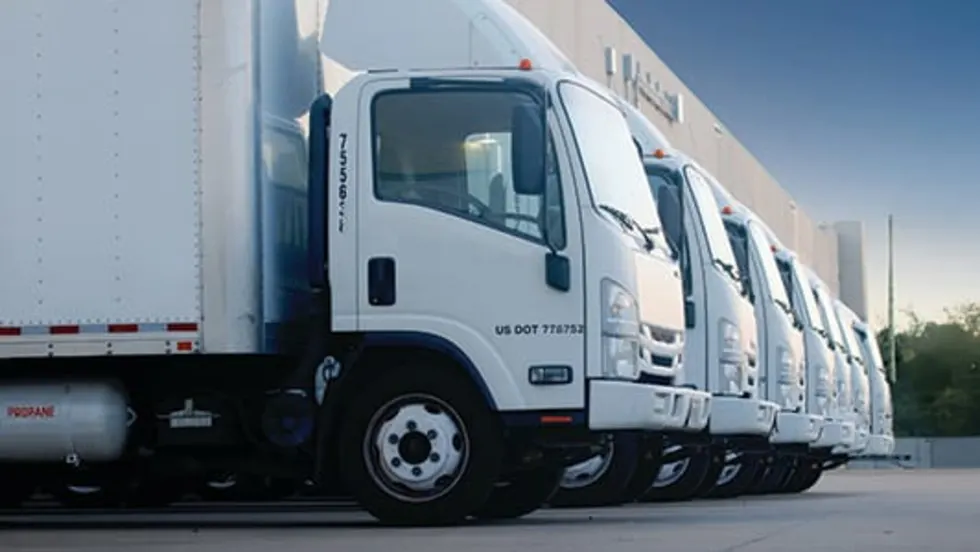
New Propane Autogas Program Offers Fleet Compensation
Qualified commercial fleets can receive $7,500 per eligible propane autogas vehicle and up to $10,000 for new refueling site prep. Learn how the program works and see whether your fleet qualifies.
Read More →
EV Charging Use Is Outpacing Infrastructure Growth
ChargePoint’s 2026 Charging Forward Report points to rising charger use, higher-powered charging, commercial vehicle electrification, and energy-management technology. Here’s what fleets should know.
Read More →
Merchants Fleet Reports 290M EV Miles as Fleets Navigate Changing Electrification Market
From millions in operating savings to hundreds of millions of EV miles, Merchants Fleet’s latest report reveals what’s working and what’s changing in fleet electrification.
Read More →
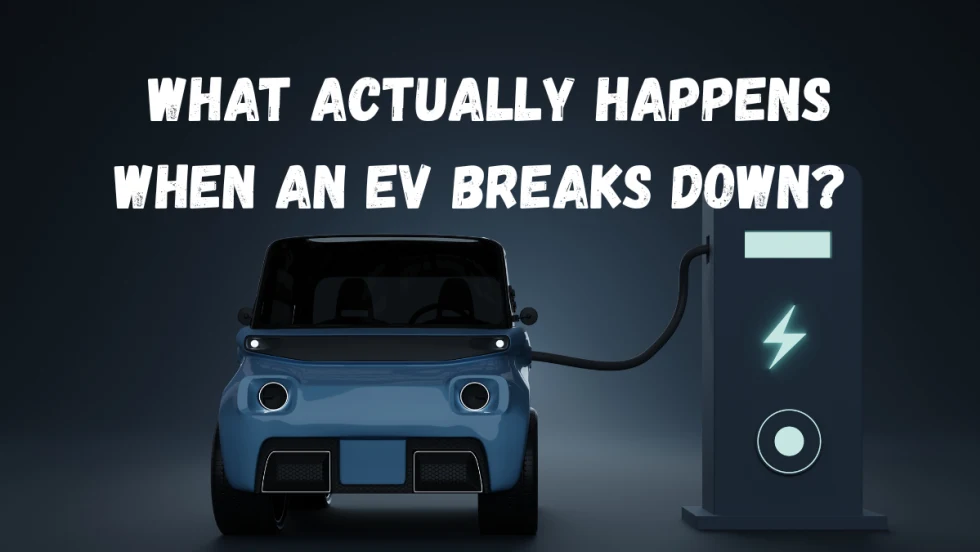
The EV Breakdown Nobody's Talking About: Why Most Electric Vehicle Roadside Calls Aren't Mechanical Failures
Here's why EV breakdowns are widely misunderstood.
Read More →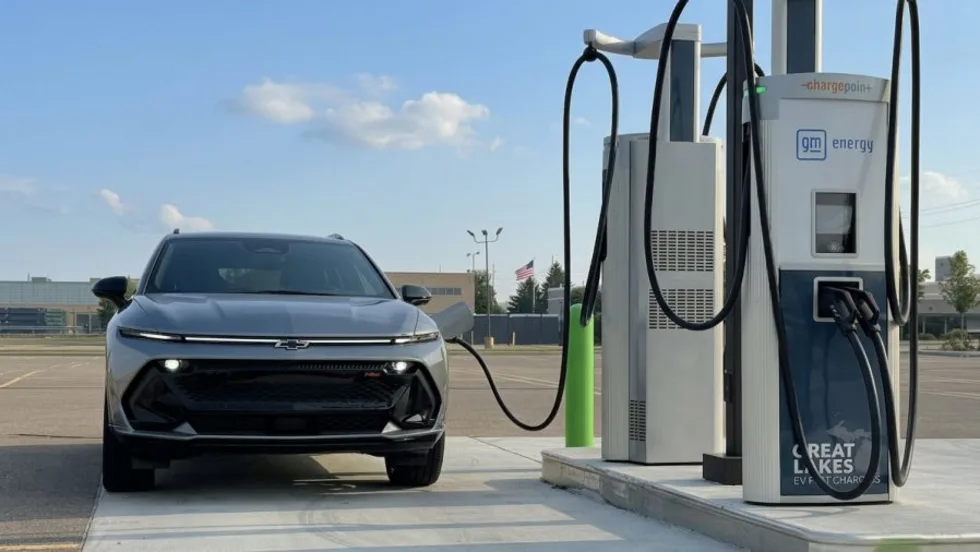
ChargePoint Now Available in Energy Pass
ChargePoint and additional planned charging network integrations were added to GM's Energy Pass.
Read More →

First Look: Slate Auto's Electric Fleet Pickup
Could an affordable, modular EV pickup make electrification more practical for fleets?
Read More →
Slate Debuts Colorful, Unique EV Models
A recent media and client event, studded with electric vehicles dressed up on platforms, planted a new position for the manufacturer in the wider EV market. Fleets will find cost-saving advantages.
Read More →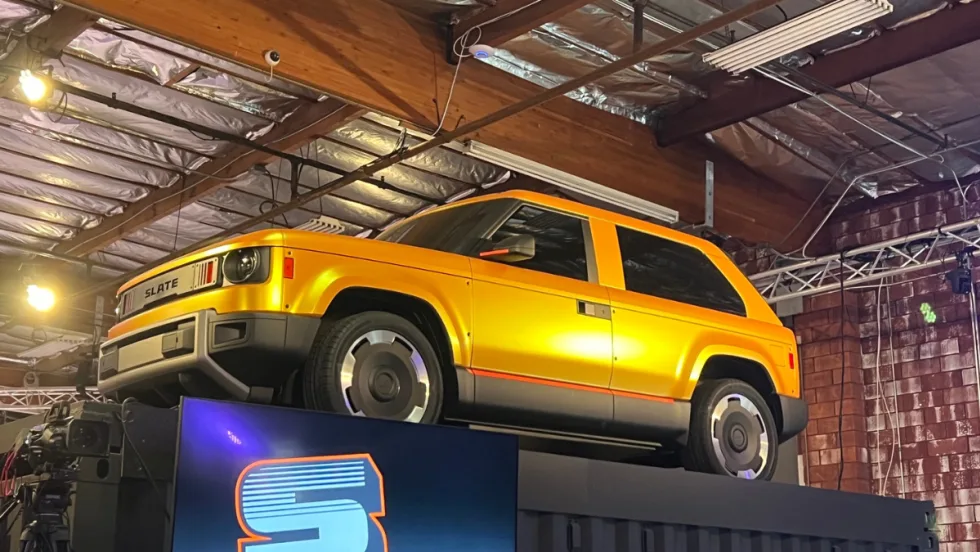
Slate Electric SUV, Pickup Switchable Model Aims For Light-Duty Fleets
Everything about this EV is counterintuitive and understated, making it stand out from the crowd.
Read More →
Inspiration Mobility Acquires Key Electrada Assets
Inspiration Mobility Group has acquired select assets of Electrada, adding the fleet electrification provider's team, technology, and charging infrastructure development capabilities to its energy management business.
Read More →