




Open Road Tolling: The Safer, Smarter Route for Fleets
A recent PA Turnpike case study highlights how Open Road Tolling (ORT) and its expanding infrastructure affect fleet safety and driver operations.

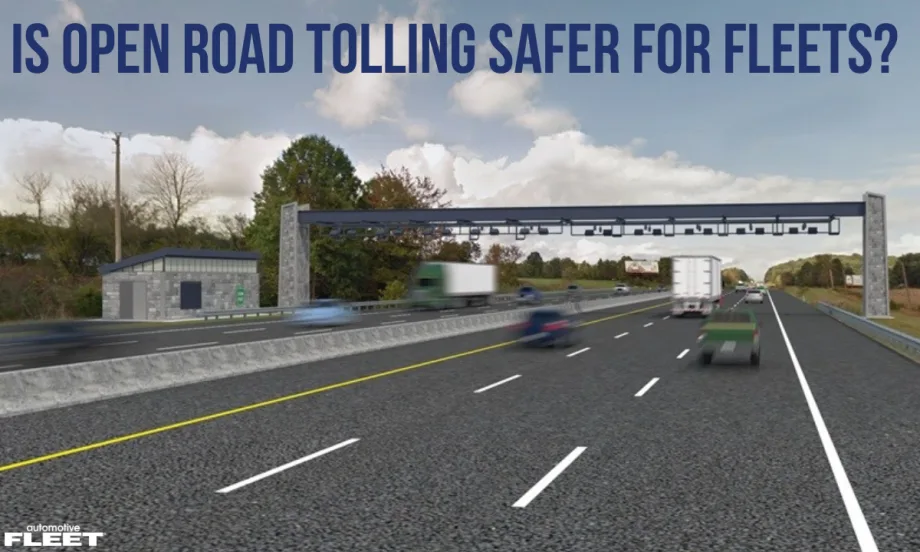
Recent research from Pennsylvania’s Turnpike ORT shows reductions in crash rates, emissions, and congestion.
Photo: PA Turnpike
As more states transition to Open Road Tolling (ORT), a fully electronic, cashless system that allows drivers to travel at highway speeds without stopping, fleet operations across the U.S. are entering a new era of safety, efficiency, and access.
Pennsylvania’s current ORT expansion, including three new interchanges under development, reflects a growing national trend toward free-flowing tolling infrastructure that’s transforming how commercial and government fleets move.
What Is Open Road Tolling?
Open Road Tolling eliminates traditional toll plazas and booths, replacing them with overhead gantries that automatically identify vehicles and charge tolls electronically. Sensors and cameras classify the vehicle, record the license plate or transponder, and process the transaction in real time, while vehicles maintain normal highway speeds.
For drivers, this means no more slowing down, stopping, or merging through toll barriers, which not only improves travel time but also significantly reduces the potential for rear-end collisions and side swipes near toll plazas.
Why ORT Matters for Fleet Safety
Traditional toll plazas have long been recognized as high-risk areas for crashes and near misses due to congestion, merging lanes, and unpredictable braking. By replacing toll booths with electronic gantries, ORT reduces these hazards, leading to measurable safety improvements:
Fewer sudden stops and less congestion at former toll points.
Improved line-of-sight and lane flow for drivers of large commercial or utility
vehicles.Reduced crash exposure for toll workers and roadside assistance personnel.
Lower fuel consumption and idling, contributing to fewer emissions and improved
air quality in high-traffic corridors.
For fleet operators managing large volumes of interstate travel, these gains translate into fewer incidents, reduced downtime, and safer working conditions for professional drivers.
The Infrastructure Expanding Across the U.S.
Pennsylvania’s ORT program is part of a broader national movement. States such as Illinois, Florida, Texas, and New York have already implemented all-electronic tolling, and others are following suit rapidly. The shift not only simplifies toll collection but also allows states to design more minor, more cost-efficient interchanges, providing better regional access and connectivity for commerce and local communities.
In Pennsylvania, the Turnpike Commission has emphasized that ORT’s flexibility enables new access points at a fraction of the cost of traditional interchanges. This added accessibility helps ease congestion at major exits, improves freight mobility, and supports local economic development, all benefits that extend directly to the fleets serving those areas.
Operational Benefits for Fleet Managers
From a fleet management perspective, Open Road Tolling aligns perfectly with the
goals of safety, efficiency, and cost control:
Simplified toll accounting: Electronic toll records integrate easily with
telematics and fleet expense systems.Time savings: Continuous movement means fewer slowdowns, helping fleets
stay on schedule.Driver focus: Eliminating toll plazas reduces distractions and allows drivers to
maintain steady speed and attention on the road.Lower vehicle wear: Less braking and acceleration reduce mechanical strain,
improving vehicle longevity.
Preparing Your Fleet for the Transition
As more toll roads adopt ORT, fleet managers should ensure:
All vehicles are equipped with active transponders or toll accounts in relevant
states.Drivers are briefed on ORT routes and signage, especially in transition zones
where cashless tolling is new.Back-office systems are ready to process electronic toll data and reconcile
charges efficiently.Routes are reviewed for new interchange opportunities that may shorten travel
times or reduce congestion.
The Road Ahead
The expansion of Open Road Tolling is more than a technological upgrade; it’s a safety innovation. By removing one of the most unpredictable roadway elements —the toll plaza —the U.S. is creating a smoother, safer, and more efficient highway system that benefits every fleet driver on the road.
For professional drivers, this means fewer stops, less stress, and a clearer path ahead.
More Vehicle Research
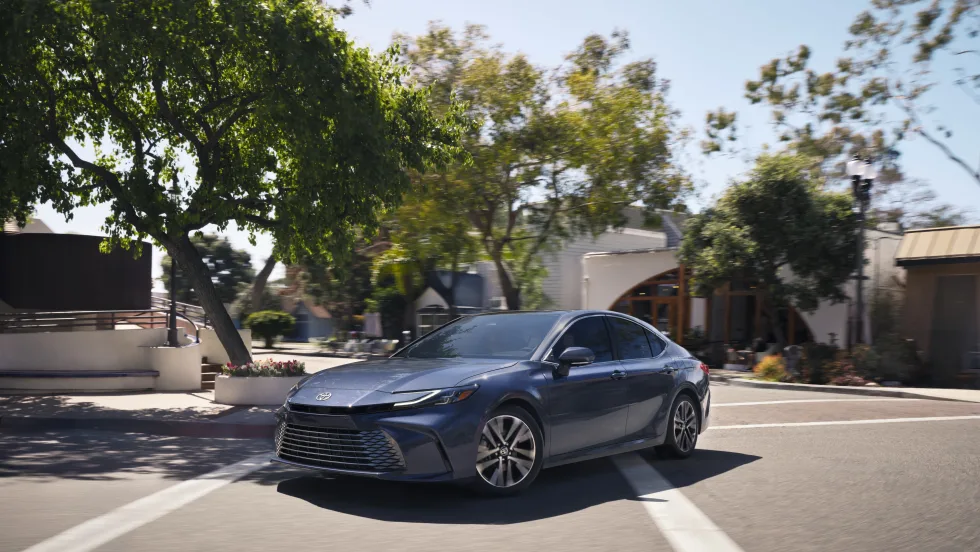
2027 Toyota Camry Offers Hybrid Powertrain Across Five Grades
The 2027 Toyota Camry is a carryover with new pricing.
Read More →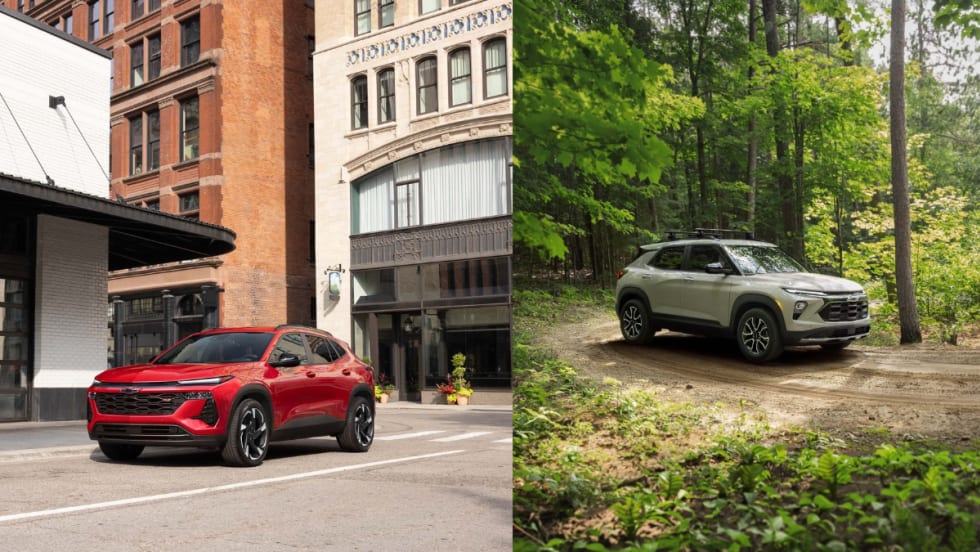
Chevrolet Updates 2027 Trax and Trailblazer with More Standard Safety Features
Chevrolet is updating two of its smallest SUVs with added driver-assistance technology, redesigned interiors, and revised trim options. The changes could add more safety equipment as standard for commercial fleets, while a new Trailblazer configuration adds another all-wheel-drive option.
Read More →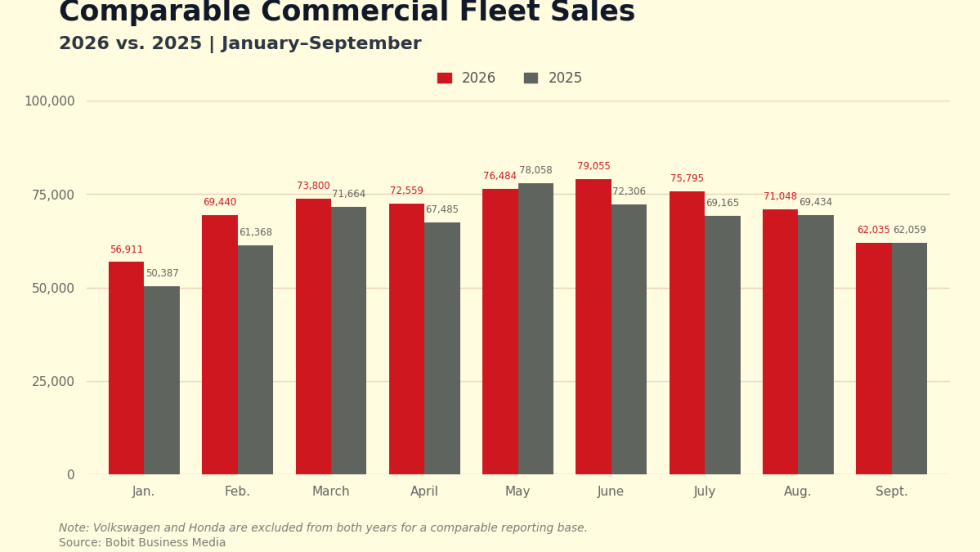
Commercial Fleet Sales Rise 5.8% Through September 2026
September commercial fleet sales were essentially unchanged from a year earlier, slowing year-to-date growth while keeping volume ahead of 2025.
Read More →
Hall of Fame Inductee: John Dmochowsky
The longtime Mondelēz International fleet executive joins the Automotive Fleet Hall of Fame.
Read More →
Hall of Fame Inductee: Lee Miller
After more than four decades at Boehringer Ingelheim, Lee Miller leaves a legacy built on fleet expertise.
Read More →
Hall of Fame Inductee: Mark F. Petersen
From managing fleets of thousands of vehicles to advancing safety and mentoring fellow professionals, Mark F. Petersen made his mark across both the corporate and supplier sides of fleet.
Read More →
When Charger Downtime Becomes a Fleet Availability Problem
As EV deployments move beyond pilot programs, charger reliability can directly affect vehicle readiness, driver productivity and route scheduling.
Read More →
2027 Nissan Rogue Hybrid Adds e-POWER, Standard AWD
The new Rogue Hybrid uses Nissan’s e-POWER system with dual electric motors, offers an estimated 40 mpg and starts at $35,490.
Read More →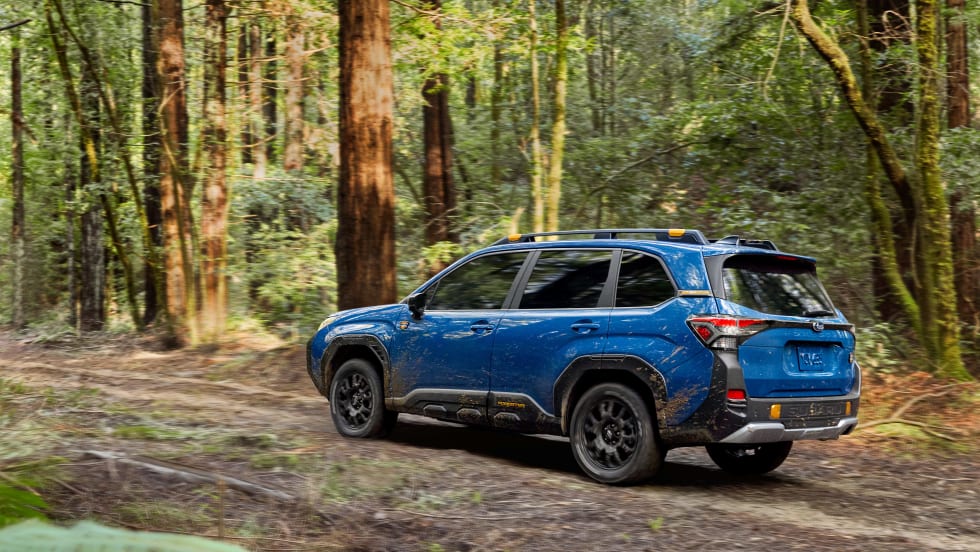
2027 Subaru Forester Adds First Wilderness Hybrid
The 2027 Forester lineup starts at $29,995 and adds a Wilderness Hybrid with 194 combined horsepower and 9.3 inches of ground clearance.
Read More →
EV Realty Names Henrik Holland President as Charging Platform Expands
The former Prologis Mobility and Shell executive will help expand EV Realty’s truck charging business and move its power-first infrastructure model into autonomous vehicle depots and other fleet sectors.
Read More →