




On the Road to Clean Air in The Mile-High City
Denver is home to the country’s second-oldest Clean Cities coalition, which draws on 20 years’ worth of expertise and partnerships to reduce petroleum use.
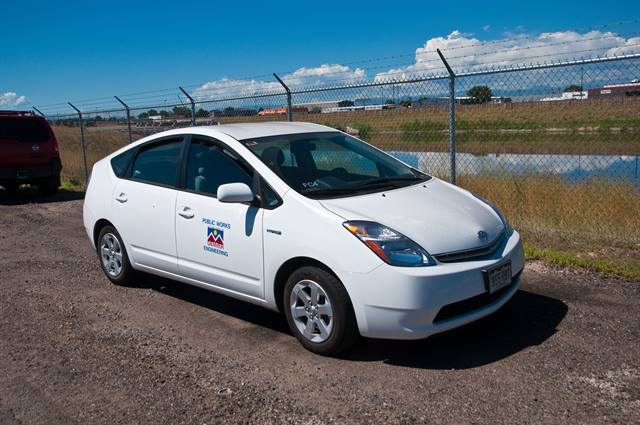
The City and County of Denver fleet was among the first in the country to incorporate hybrid-electric vehicles into its operations. Photo: Pat Corkery, NREL.
At the foot of the Rocky Mountains, some of the country’s most progressive fleets are leading the way in reducing petroleum use and vehicle emissions, reflecting a decades-long commitment to air quality and sustainability.
Denver Metro Clean Cities (DMCC), which includes dozens of fleets from the public and private sectors, is celebrating its 20th anniversary this year — a milestone it shares with the national Clean Cities program (See page 26). Launched in September 1993, the Denver coalition, now housed within the American Lung Association, is the country’s second-oldest Clean Cities coalition.
In 2011 alone, DMCC members saved 3.3 million gallons of petroleum through the use of alternative fuels, advanced vehicles, fuel-economy improvements, and idle-reduction measures.
“One of the things I’m most proud of is the extensive network we’ve built over the years,” said DMCC Coordinator Natalia Swalnick.
The City and County of Denver’s fleet is among the coalition’s pacesetters.
“It’s a model fleet with a very strong track record of sustainable transportation,” Swalnick said.
The fleet uses biodiesel and E-85 extensively, and was among the first in the country to incorporate hybrid vehicles into its operations. It takes advantage of the fuel-saving benefits of idle-reduction equipment on heavy-duty vehicles and anti-idling policies for all drivers. Now DMCC is helping the fleet with the development of a compressed natural gas (CNG) fueling station that will serve its refuse trucks.
DMCC is fostering connections between the Denver fleet and others in the area that could also use the station. Such partnerships will increase the volume of fuel dispensed by the station, thereby improving its return on investment.
Swalnick also assisted by providing sample RFPs for station development, which she obtained from her fellow Clean Cities coordinators in other locations.
"It was great to be able to capitalize on their expertise instead of having Denver start from scratch. There are no prizes for originality in the world of RFPs,” Swalnick said.
Get Involved With Clean Cities
Through the work of nearly 100 local coalitions, Clean Cities advances the nation’s economic, environmental, and energy security by reducing petroleum use in transportation. Clean Cities is an initiative of the U.S. Department of Energy. Find out more at www.cleancities.energy.gov.
For more information about the DMCC, e-mail Natalia Swalnick at nswalnick@lungcolorado.org or visit denvercleancities.org.
More Green Fleet

EV Charging Use Is Outpacing Infrastructure Growth
ChargePoint’s 2026 Charging Forward Report points to rising charger use, higher-powered charging, commercial vehicle electrification, and energy-management technology. Here’s what fleets should know.
Read More →
Merchants Fleet Reports 290M EV Miles as Fleets Navigate Changing Electrification Market
From millions in operating savings to hundreds of millions of EV miles, Merchants Fleet’s latest report reveals what’s working and what’s changing in fleet electrification.
Read More →
The EV Breakdown Nobody's Talking About: Why Most Electric Vehicle Roadside Calls Aren't Mechanical Failures
Here's why EV breakdowns are widely misunderstood.
Read More →
ChargePoint Now Available in Energy Pass
ChargePoint and additional planned charging network integrations were added to GM's Energy Pass.
Read More →

First Look: Slate Auto's Electric Fleet Pickup
Could an affordable, modular EV pickup make electrification more practical for fleets?
Read More →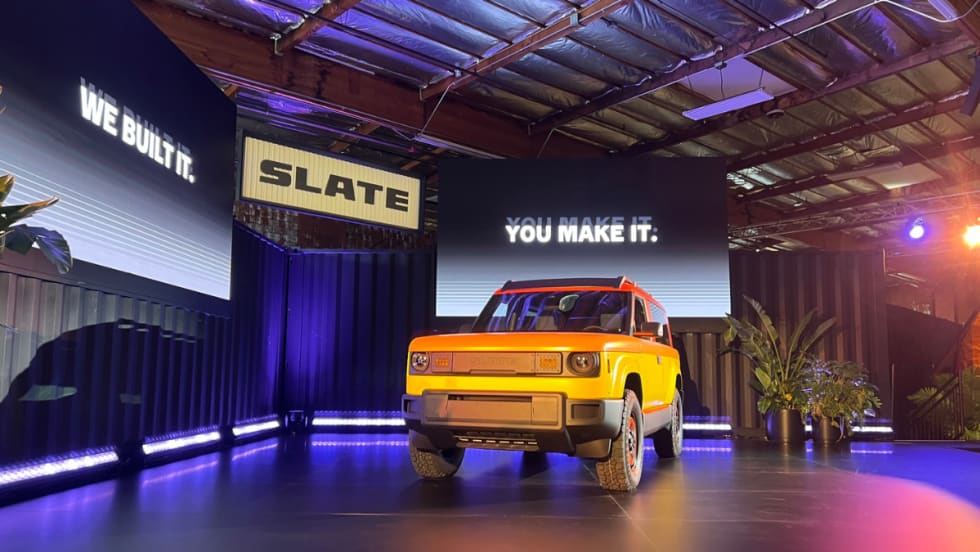
Slate Debuts Colorful, Unique EV Models
A recent media and client event, studded with electric vehicles dressed up on platforms, planted a new position for the manufacturer in the wider EV market. Fleets will find cost-saving advantages.
Read More →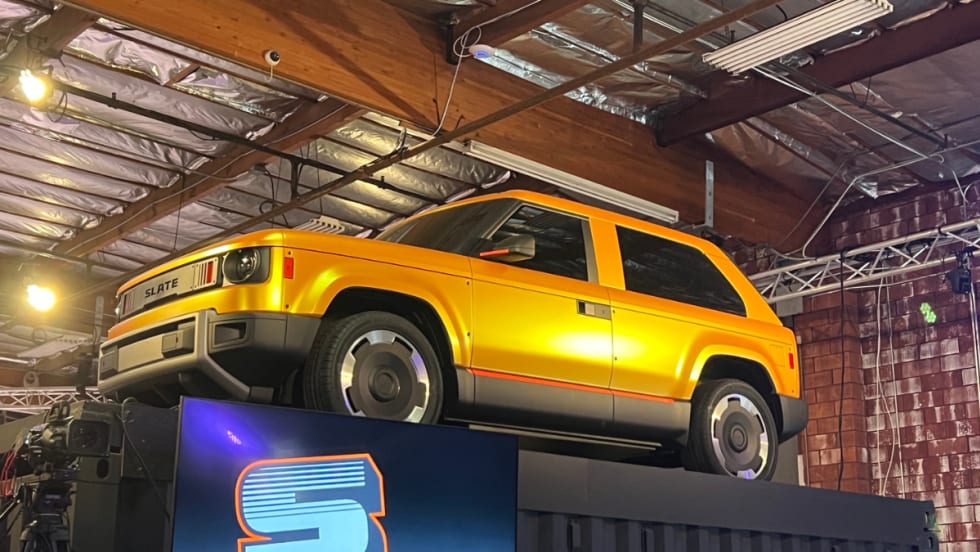
Slate Electric SUV, Pickup Switchable Model Aims For Light-Duty Fleets
Everything about this EV is counterintuitive and understated, making it stand out from the crowd.
Read More →
Inspiration Mobility Acquires Key Electrada Assets
Inspiration Mobility Group has acquired select assets of Electrada, adding the fleet electrification provider's team, technology, and charging infrastructure development capabilities to its energy management business.
Read More →
Turning Connected Vehicle Data Into Decisions That Matter
Fleet leaders have more data than ever, but turning that data into clear, actionable decisions remains a challenge. This white paper shows how leading organizations are using connected vehicle data to improve safety, reduce costs, and optimize fleet performance. Learn how to turn insight into action across your fleet.
Read More →