




NHTSA Mandate Brings Rearview Cameras into View
Ahead of the 2018 deadline, fleet manager and end-user demand is bringing safety equipment to more models.
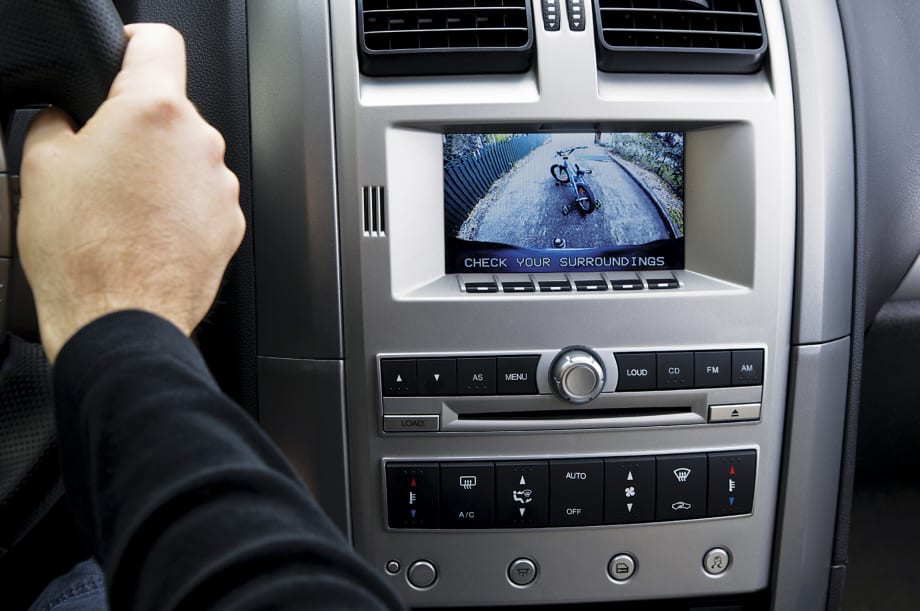
Photo courtesy of iStockPhoto.com.
Many fleet managers already know the benefits of rearview cameras.
According to the National Highway Traffic Safety Administration (NHTSA), there are an estimated 210 deaths and 15,000 injuries each year in back-up related crashes. Insurance Institute for Highway Safety (IIHS) numbers are even higher, estimating 297 deaths and 18,000 injuries each year.
Both agencies note that more than 30 percent of the deaths involve children age 5 or younger, who are often too small to be seen with conventional rearview mirrors. There is also risk to the elderly, who NHTSA said makes up one-quarter of the deaths from crashes while a vehicle is backing.
Those numbers were so persuasive that the agency, after a few false starts, successfully set a deadline of May 2018 (for 2019 model-year vehicles) for all passenger vehicles under 10,000 pounds to be equipped with a backup camera.
While the systems have been available for a bit more than a decade, they were typically only equipped on vehicles with higher level trim packages, bundled with other enhancements, such as technology packages. Even before the federal mandate, however, that was changing.
"We've seen backup cameras on the list of specs on a lot of our requests for proposals; fleet managers are asking for them to be included," said Matt Falcone, national fleet manager for Volvo. "The camera is really becoming a point of discussion when we are working with companies."
A sampling of automakers indicates that demand for the equipment has led to a rapid rise in the models they are offering the systems in several years ahead of the mandate.
The IIHS estimates 46 percent of 2014-MY vehicles sold in the U.S. include a back-up camera as standard equipment. Some entire brands are including cameras now. For example, GM has announced all MY-2015 Buicks will have a backup camera, joining Honda/Acura.
"Around 90 percent of Chrysler vehicles already offer a rearview camera as an option," said Steve Buckley, a design engineer with Chrysler Group. "That's based on customer demand. Customers have been asking for this even without the NHTSA rule."
Buckley said Chrysler draws up its specifications, but the camera equipment comes from an outside supplier. That is also the way it works at GM, Toyota, and Volvo, according to representatives of those automakers.
Falcone said Volvo's equipment is built by Magna Electronics, which makes about 40 percent of the cameras that go into cars on the assembly line industrywide.
"We design and come up with the specs that we'd like to have, but we don't do the development in-house," Falcone said.
Like most things in an economy of scale, prices have been coming down. NHTSA currently estimates the cost to meet the requirement at about $45 more for cars that already have a screen available to around $140 more for those without. Meanwhile the equipment is getting better.
"Two things have improved, besides the camera itself, which is lighter and smaller, more high performance, but the display system itself is greatly improved, too, if you look at some of the original radio displays or mirror displays," Buckley said.
More than a nice picture, the backup cameras can save money — and lives.
"Safety is definitely at the top of every company's list when it comes to their drivers, just one, because of the health and well-being, but cost too," Falcone said. "Even if it's just a little damage that's done by backing into something, it could really be a cost to companies if they have large fleets. There's always dollars, yes, but it's the safety of their drivers that is at the top of the list."
More Safety

Fleet Manager’s Ultimate Playbook: Navigating the New Standard in OEM Connectivity
Rising operating costs, driver safety concerns, and unplanned downtime are putting unprecedented pressure on modern fleets. Discover how fleet managers use embedded OEM connectivity and real-time vehicle data to cut TCO, prevent downtime, and protect drivers without aftermarket telematics hardware.
Read More →
From Driver Well-Being to EV Charging | AF News Recap
Mental health belongs in the fleet safety conversation. This week, we’re looking at five ways fleets can support employee well-being before a crisis, plus Holman’s expansion in Mexico, new one-day Fleet Forward passes, and why EV charging demand is outpacing infrastructure growth.
Read More →
Nexar-Nauto Merger Aims to Give Fleets Better Safety Intelligence Through Larger Driving Dataset
Stefan Heck tells Automotive Fleet that combining more than 10 billion miles of driving history with Nexar's AI models will give fleets deeper insights into driver risk and roadway conditions than either company could provide independently.
Read More →
Don't Wait for a Crisis: 5 Ways to Build Mental Health Into Your Fleet Safety Program
For Suicide Prevention Month, fleet and safety leaders have an opportunity to put mental health where it belongs: at the center of workplace safety.
Read More →
How Camera Data Can Strengthen a Fleet’s Insurance Renewal
Insights from a commercial insurance carrier and a broker show how fleets can turn video telematic data, driver coaching, and improved claims results into a stronger case at insurance renewal.
Read More →
The Safest Fleets Aren’t the Ones with the Most Technology
You’ve made the telematics investment. Here’s how to capture the other half of its value and build the safest fleet on the road.
Read More →
Hidden in Plain Sight: Fleet Compliance Risks
Fleet compliance isn't just about having policies — it's about consistently enforcing them. This practical guide reveals six hidden compliance risks common in public sector and shared fleet operations and outlines proven strategies to improve visibility, accountability, and audit readiness
Read More →
NETS Sets 2026 Fleet Safety Benchmark Conference for Indianapolis
The Sept. 15–17 program will feature fleet benchmarking data, case studies, emerging technologies, and implementation strategies while running alongside the NSC Safety Congress & Expo.
Read More →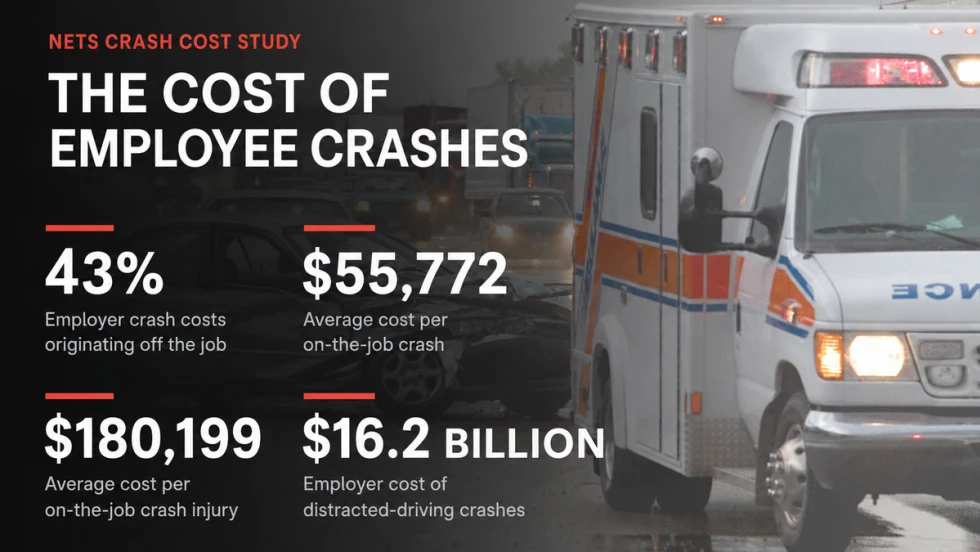
Off-the-Job Crashes Account for 43% of Employers’ $61.7 Billion Crash Burden
NETS quantifies costs dispersed across fleet, risk, HR, and other departments while providing new per-crash benchmarks for employers.
Read More →
Ram Recalls More Than 1.27 Million 1500 Pickups for Seat Belt Anchor Issue
The recall affects certain 2019-2026 Ram 1500 pickups that may have improperly attached second-row seat belt buckle anchors.
Read More →