




Michelin Helps Yellowstone Park Foundation Keep on Rolling
More than 1,400 tires have been donated to the national park, resulting in fuels savings of as much as 20 percent since 2009, which translates into an emissions savings of more than 4 tons of CO2.

Since 2008, Michelin has donated more than 1,400 tires to help equip
Yellowstone National Park’s fleet of 800 vehicles.
With vehicles that collectively travel 3.75 million miles per year on 420 miles of roadways, the national park has nurtured a partnership with Michelin to help ensure vehicles stay on the road while working to reduce emissions.
Although the amazing geological features, interesting wildlife, and natural beauty of Yellowstone National Park get most of the attention, the world’s first national park also has more than 420 miles of roads to maintain and approximately 3 million visitors to welcome each year. As the official tire of the Yellowstone Park Foundation (YPF), Michelin is helping the park achieve its goal to reduce its greenhouse gas emissions by 30 percent by the year 2016 by providing green, energy-saving tires for the park fleet.
A Proven History
Since 2008, Michelin has donated more than 1,400 tires to help equip Yellowstone National Park’s fleet of 800 vehicles, which ranges from patrol cars and garbage trucks to earth-moving vehicles, rotary snow plows, and large load-hauling tractor trailers.
Through the partnership, Michelin is helping Yellowstone National Park reduce its operating expenses and lower the park’s consumption of raw materials. The company is also helping the park lower its overall fuel consumption with the use of Michelin’s green tire technology that it has been developing and refining since 1992.
“Since Michelin became the official tire of the YPF in 2009, the park’s fleet managers have reported fuel savings on the first seven vehicles of as much as 20 percent, compared to the previous tires,” said Don Baldwin, product category manager for Michelin Americas Truck Tires. “This translates into emissions savings of more than 4 tons of CO2 each year per truck. In addition, the Michelin tires are lasting twice as long as the previous tires, further reducing environmental impact.”
In It for the Long Haul
On average, Yellowstone vehicles collectively travel 3.75 million miles per year on the park’s more than 420 miles of roadways.
The tire maker’s most popular wide, single truck tire, the Michelin X One XDN2 tire, is the featured tire on work trucks operating both on- and off-road at the park. Often unseen by visitors, these work vehicles are essential to maintaining the park for visitors, researchers, and wildlife alike; assuring that the fleet is fuel-efficient and saves money, but also significantly reduces carbon emissions.
Through its donations and work, Michelin North America has helped Yellowstone National Park save approximately $275,000 to $300,000 annually, whichrepresents about a 12-percent reduction in the park’s fleet and road maintenance budget in 2013 alone.
“National park budgets have been cut dramatically due to sequestration,” said Karen Bates Kress, Yellowstone Park Foundation president. “By saving Yellowstone over a quarter-million dollars each year, Michelin’s exceptional generosity allows the park to divert the funds it saves to other important projects, and maximize its resources.”
Passenger car tires also play a role in carbon emissions and energy usage. Michelin estimates that if every one of the 1.1 million vehicles (motorcycles, cars, trucks, and buses) entering Yellowstone each year were equipped with Michelin green energy-saving tires, the park could further reduce its carbon footprint significantly.
In addition to tire donations, Michelin regularly deploys its field engineers to consult with the park’s fleet managers on optimizing tire use for better fuel economy and performance. Additionally, they provide training on the mounting of very specialized tires, including oversized earthmovers and Michelin X One wide base tires. This training has led to improved product performance, efficiency and safety, and a considerable reduction in maintenance costs.
More Green Fleet
EV Charging Use Is Outpacing Infrastructure Growth
ChargePoint’s 2026 Charging Forward Report points to rising charger use, higher-powered charging, commercial vehicle electrification, and energy-management technology. Here’s what fleets should know.
Read More →
Merchants Fleet Reports 290M EV Miles as Fleets Navigate Changing Electrification Market
From millions in operating savings to hundreds of millions of EV miles, Merchants Fleet’s latest report reveals what’s working and what’s changing in fleet electrification.
Read More →
The EV Breakdown Nobody's Talking About: Why Most Electric Vehicle Roadside Calls Aren't Mechanical Failures
Here's why EV breakdowns are widely misunderstood.
Read More →
ChargePoint Now Available in Energy Pass
ChargePoint and additional planned charging network integrations were added to GM's Energy Pass.
Read More →

First Look: Slate Auto's Electric Fleet Pickup
Could an affordable, modular EV pickup make electrification more practical for fleets?
Read More →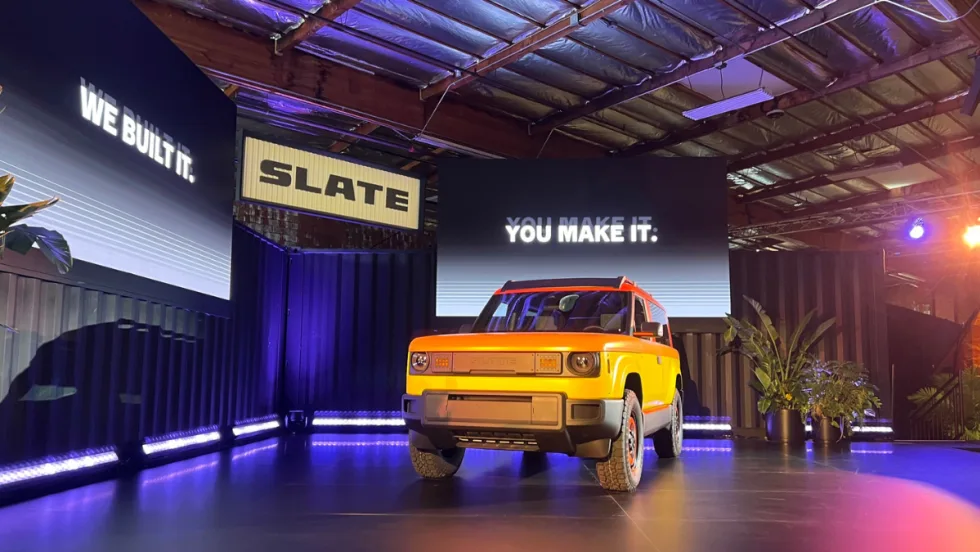
Slate Debuts Colorful, Unique EV Models
A recent media and client event, studded with electric vehicles dressed up on platforms, planted a new position for the manufacturer in the wider EV market. Fleets will find cost-saving advantages.
Read More →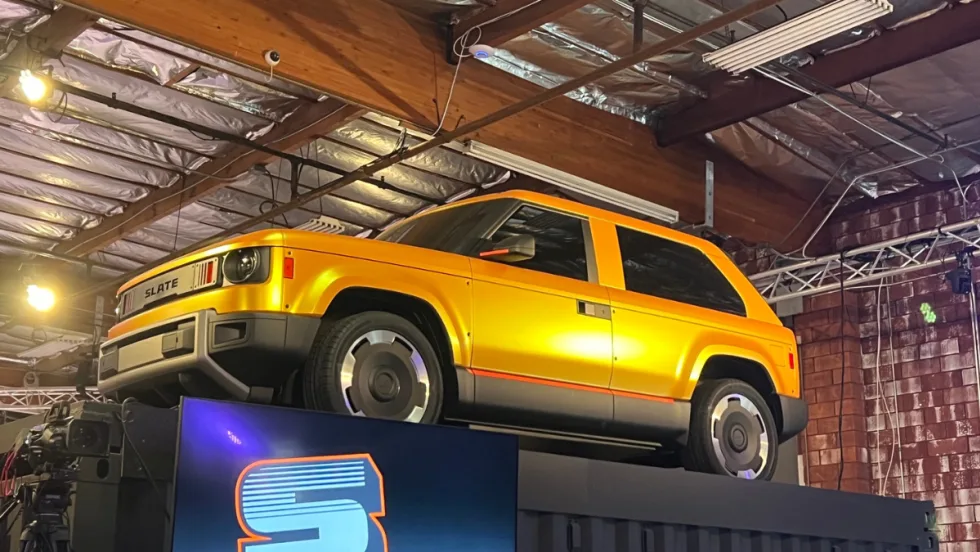
Slate Electric SUV, Pickup Switchable Model Aims For Light-Duty Fleets
Everything about this EV is counterintuitive and understated, making it stand out from the crowd.
Read More →
Inspiration Mobility Acquires Key Electrada Assets
Inspiration Mobility Group has acquired select assets of Electrada, adding the fleet electrification provider's team, technology, and charging infrastructure development capabilities to its energy management business.
Read More →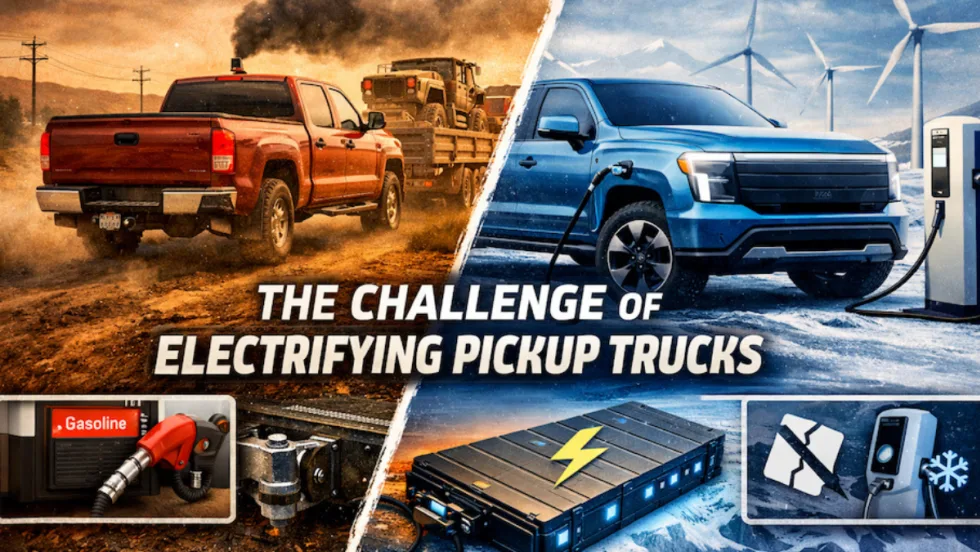
Why America’s Most Popular Vehicle is So Hard to Electrify
Turning America’s favorite workhorse electric means balancing range, payload, charging infrastructure, and price, an equation automakers are still trying to solve.
Read More →