




Mercedes-Benz Showcase: 2013 GLK-Class
The Mercedes-Benz GLK-Class sport utility has been redesigned for the 2013 model-year, with bolder exterior styling and an interior that reveals more eye-catching upholstery and a new dash that emphasizes the width of the cabin.
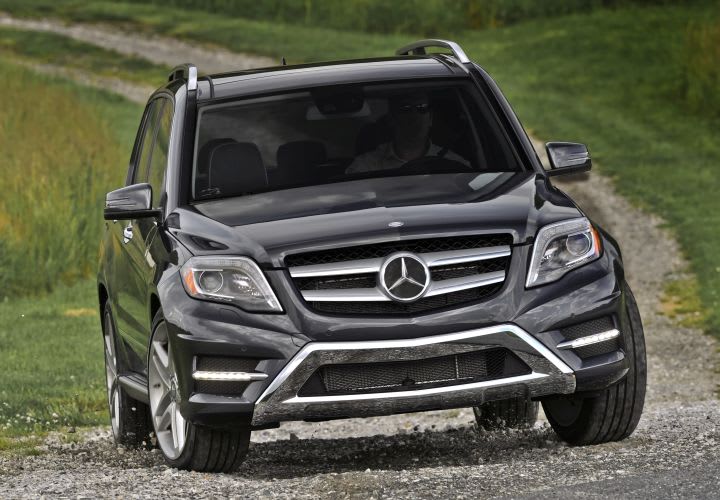
Photo courtesy of Mercedes-Benz.
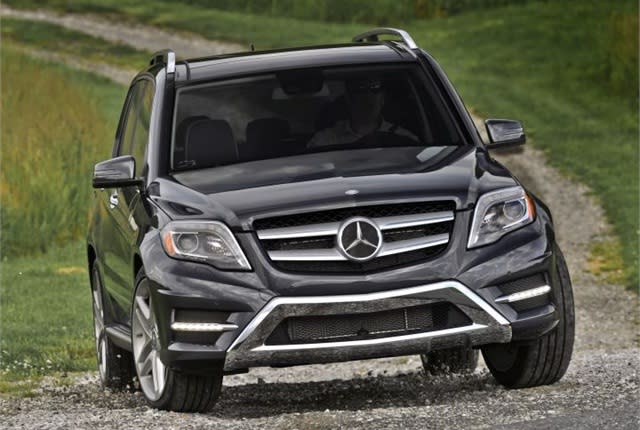
Photo courtesy of Mercedes-Benz.
The Mercedes-Benz GLK-Class sport utility has been redesigned for the 2013 model-year, with bolder exterior styling and an interior that reveals more eye-catching upholstery and a new dash that emphasizes the width of the cabin. Smaller and lighter than its SUV siblings, the 2013-model GLK is equipped with a new direct-injection 3.5L V-6 engine with ECO stop-start, a more fuel-efficient 7-speed automatic transmission with Direct Select, and electromechanical steering.
Approximately 10 inches shorter than the M-Class, the GLK mid-size SUV is a key member of the Mercedes-Benz SUV family, which includes the full-size M-Class, as well as the larger GL-Class and the rough-and-tough G-Class.
At first glance, the GLK appears to be a smaller version of the GL, but a closer look reveals a modern interpretation of the G-Class. In sharp contrast to the relatively soft forms of other similar vehicles, the striking, angular nose of the GLK provides a distinctive look. From its steeply raked windshield to the integrated rear spoiler on its tightly styled roof section, the bullish shape of the GLK is designed to suggest power and agility.
Following its 2009 debut in the small sport-utility category, the new GLK became one of the most fuel-efficient Mercedes-Benz vehicles ever produced, and it's also the most agile member of the Mercedes SUV family. Like nearly all Mercedes passenger vehicles, the GLK features four-wheel independent suspension worthy of a sports car, according to the automaker. With available 4MATIC full-time four-wheel drive and respectable ground clearance for off-road driving, its integrated running boards, roof rack, and skid plates emphasize the versatile SUV character of the GLK.
A number of Mercedes-Benz safety features are available for the first time on the GLK, including standard Attention Assist and optional Distronic Plus with Pre-Safe Brake, Active Blind Spot Assist, and Active Lane Keeping Assist. The new electrically assisted steering also makes possible a standard Steer Control safety feature and optional Active Parking Assist.
If the GLK begins to oversteer or understeer, the ESP system tells the new electrically assisted steering to automatically make a slight movement in the direction the driver should turn the wheel to correct the oversteer or understeer. Steer Control doesn't override the driver, but rather provides a valuable cue.
Now standard equipment on the 2013 GLK, the Attention Assist system can alert drivers to the first signs of drowsiness. A steering sensor is coupled to smart software that uses 70 parameters to establish a unique driver profile during the first 20 minutes of driving. Between 50 and 112 mph, the system identifies the erratic steering corrections drivers make as they begin to get drowsy and triggers an audible warning, and a "Time for a rest?" message with a coffee cup icon appears in the instrument cluster. Other new options include Blind Spot Assist, Adaptive High Beam Assist, and Parktronic.
The standard Agility Control suspension provides the benefits of both soft and stiff shock absorbers. Each twin-tube shock absorber is fitted with a hydraulic by-pass piston that acts as a very soft shock absorber to effectively dampen road noise and tire vibration, according to Mercedes. However, over bumpy or uneven roads, the by-pass piston is out of the picture, preserving the steering and handling response of a stiffer shock absorber.
More Operations

Here's When You Should Make an Exception to Fleet Policy
Fleet policies are designed to create consistency, but not every driver or situation fits neatly within standard rules.
Read More →
AI-Native or AI-Acquired: What Should Fleet Managers Look for in an AI Platform?
Six questions can help fleet managers look beyond AI marketing claims to evaluate integration, data access, and real-world operational performance.
Read More →
A buyer's guide to fleet management software in 2027
Buying fleet management software in 2027 means looking beyond features and price. As fleet operations, technology and expectations evolve, this guide explores what today’s fleet professionals should consider when choosing a system that can deliver value now and adapt to what comes next.
Read More →

What Will Shape the Next Era of Fleet Management?
EVs, AI, and autonomous vehicles are reshaping fleet management. Discover what’s ahead—and how fleet leaders can prepare for the next era.
Read More →
How Fleets Can Recruit and Train Veterans for Technician Roles
Here's how the technician shortage has affected uptime for fleets, and what to do about it.
Read More →
Avis Budget Group Deploys Neology Toll Management Technology Across Major Brands
Neology’s neoFleet platform will manage toll transactions and toll-authority operations for vehicles across Avis, Budget, Payless, Budget Truck and Zipcar.
Read More →
Fleet Personal-Use Charges Edge Higher in 2026
Nearly eight in 10 surveyed fleets allow personal use of company vehicles, while just over half of respondents report charging employees for the privilege.
Read More →
The Future of Fleet + What’s Changing Right Now | AF News Recap
Could developments overseas offer a preview of what’s coming for U.S. fleets? This week, we’re looking at the future of AI, autonomy, and electrification, plus Ford Pro’s new certified pre-owned program, smarter vehicle offboarding, and a new way for fleets to manage toll expenses.
Read More →
How to Handle Vehicle Offboarding
What do fleet managers need to do when a driver leaves?
Read More →
Fleet Manager’s Ultimate Playbook: Navigating the New Standard in OEM Connectivity
Rising operating costs, driver safety concerns, and unplanned downtime are putting unprecedented pressure on modern fleets. Discover how fleet managers use embedded OEM connectivity and real-time vehicle data to cut TCO, prevent downtime, and protect drivers without aftermarket telematics hardware.
Read More →