




Mercedes-Benz Debuts High-Tech Diesel Car for U.S. Market
The new turbo-charged diesel engine gets better mileage then gas engines and passes 45 state emissions standards.

Mercedes-Benz, the company that invented the diesel car, is debuting a new diesel-powered car for the U.S. market. The company will market the E320 CDI as a fuel-efficient diesel version of its successful E-Class sedan. The E320 CDI is scheduled to make its market introduction in the U.S. this spring as a 2005 model. The new high-torque diesel engine is quiet, fuel-efficient and has lower exhaust emissions than previous diesels, Mercedes Benz said. The turbo-charged six-cylinder powerplant will feature full electronic fuel injection, considered technically impossible on a diesel until only a few years ago. CDI stands for “common-rail direct injection” — a term denoting the fuel line loop supplying constant, very high fuel pressure (up to 23,000 psi) to each of the six solenoid injector valves. Relying purely on the heat of highly compressed intake air to ignite the fuel, diesel engines operate without spark plugs or other ignition parts. The leap to electronic fuel injection means that the E320 CDI engine can be cleaner, quieter and more powerful than conventional mechanically-injected diesel engines, Mercedes Benz said. Diesel powerplants inherently produce 20 to 30 percent lower carbon dioxide emissions and significantly lower carbon monoxide than gasoline engines, but historically, diesels have produced more oxides of nitrogen and soot or particulates. However, with precise electronic control of fuel delivery, hand-in-hand with an oxidation catalyst, the E320 CDI can pass current 45-state emissions standards. When low-sulphur diesel fuel becomes available in the U.S. in late 2006, Mercedes-Benz engineers are optimistic that the CDI diesel can meet emissions standards in all 50 states. Mercedes-Benz debuted the world’s first diesel passenger car — the 260D — in 1936. On a global basis, diesel engines power about 40 percent of Mercedes cars around the world. In the 1980s, more than 75 percent of the Mercedes-Benz cars sold in the U.S. market were diesel-powered. But in the 1990s, diesel cars became a smaller and smaller part of the company’s product mix. Mercedes-Benz last offered a diesel car — the E300 Turbodiesel — in 1999. The E320 CDI gets 27/37 miles per gallon for city and highway driving, respectively, compared to the E320 gasoline engine fuel economy of 19/27, the company said. The CDI can reach 0-60 mph in 6.8 seconds (preliminary data), 0.3 of a second faster than the gasoline engine, Mercedes Benz said. The latest generation of electronically injected CDI engines is likely to change consumer perceptions about diesel engines. Electronic control of diesel fuel injection even makes it possible to soften the power pulses and help make the diesel nearly as quiet as a gasoline engine, even during idle conditions, the company said. CDI diesel technology is expected to help expand the company’s product portfolio in the U.S. market. In addition, Mercedes-Benz’s role in alternative powertrain development means that its modern diesel engine is likely to play a key role in the company’s future products that could include hybrids, fuel cells and advanced piston engines.
Originally posted on Work Truck Online
More Vehicle Research
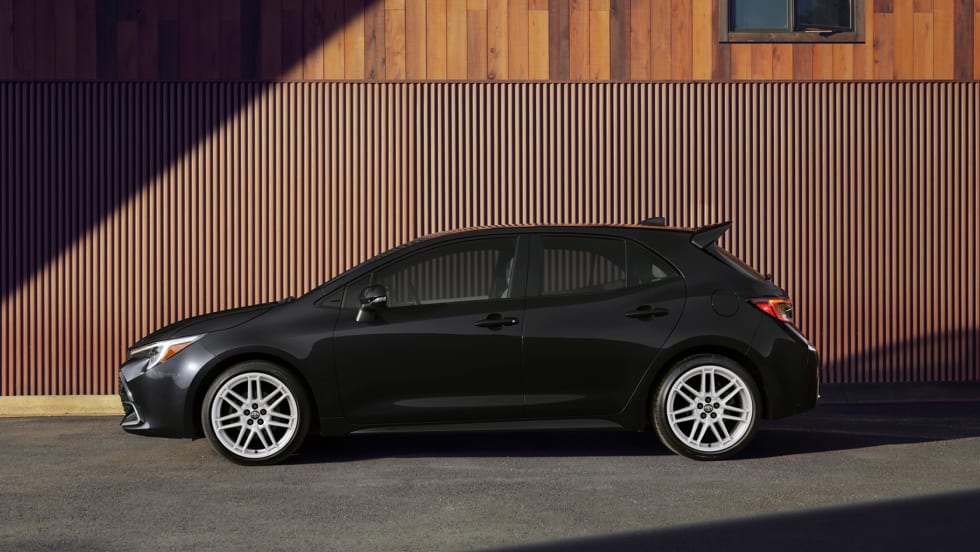
2027 Toyota Corolla Hatchback Adds Digital Displays, Technology Updates
Compact hatchback receives larger standard displays, new wheel and color options, and continues with a 169-hp four-cylinder engine.
Read More →

Teletrac Navman Begins Next Chapter as Standalone Private Company
What's new with Teletrac Navman and its new owner?
Read More →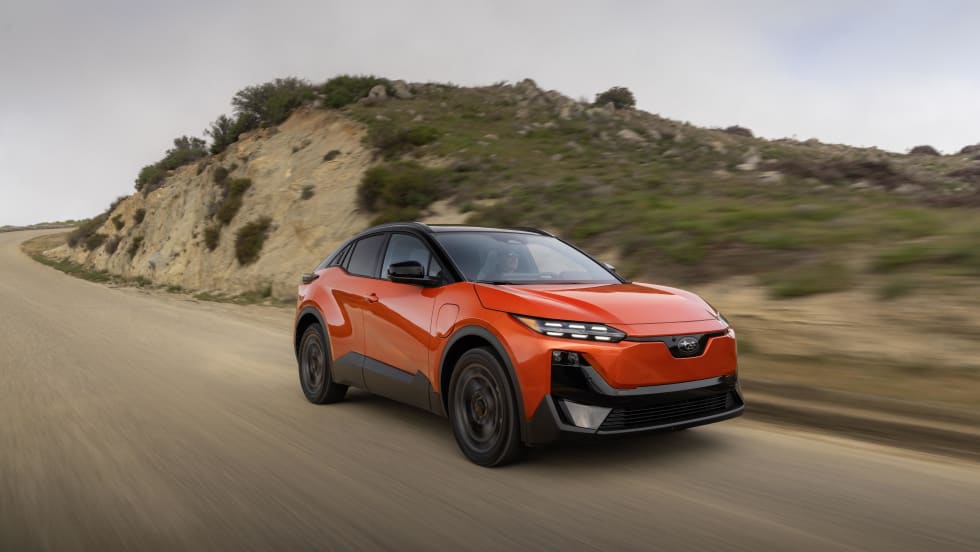
Subaru Announces Pricing for 2027 Subaru Uncharted
Subaru has announced pricing for the 2027 Uncharted EV, which returns with no price increase, an estimated range of more than 300 miles, and a starting MSRP of $34,995.
Read More →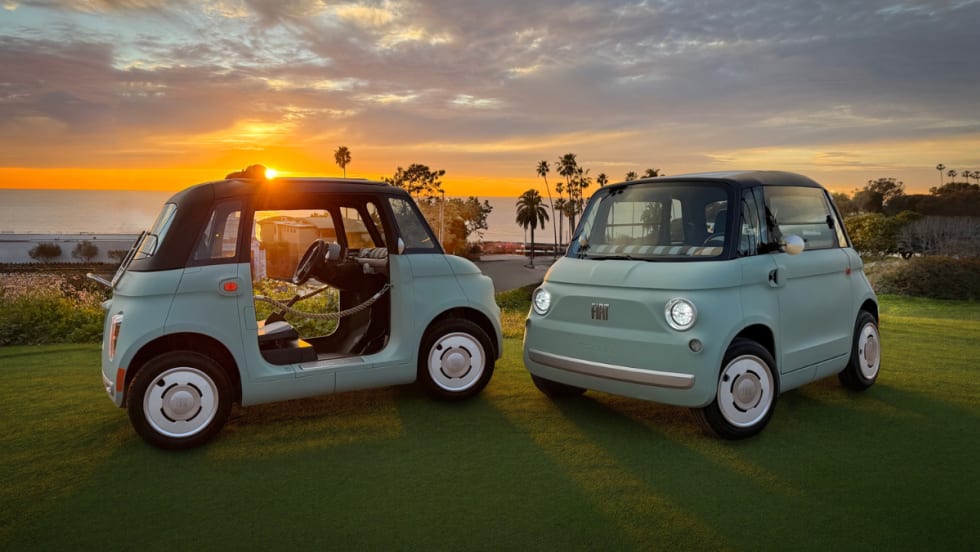
What Should We Make of the Fiat Topolino?
This atypical low-speed vehicle is coming to the U.S. It's smaller than a Smart Fortwo and starts at $13,995.
Read More →
USPS, Zipcar, DPD UK, and Others Named Winners of The Optimizers Awards 2026
USPS, Zipcar, DPD UK, and other fleet organizations were recognized in the 2026 Optimizers Awards for initiatives involving route optimization, automation, AI, and fleet utilization.
Read More →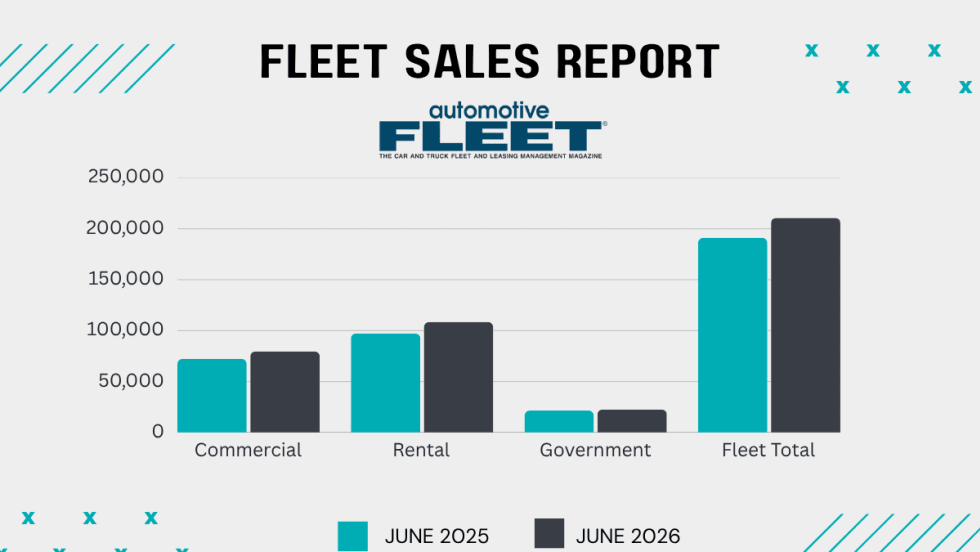
Commercial Fleet Sales Contribute To June, YTD Gains
The fleet sector has boosted its vehicle purchases at a reliable pace in the first half of this year compared with 1H 2025.
Read More →
Mid-Atlantic Advanced Transportation Summit to Explore Fleet Fuels, Infrastructure, and Transportation Innovation
Fleet Forward Conference expands collaboration with Clean Cities organizations as part of a broader effort to connect fleet leaders with emerging transportation technologies and strategies.
Read More →
America's 250th Birthday: Vehicles That Kept the Country Moving Over the Years
As the United States celebrates its 250th anniversary, Automotive Fleet looks back at 11 vehicles that helped shape commercial transportation.
Read More →
Can AI Really Make Fleet Drivers Safer?
Chris Brown and Wheels rep David Glines discuss how AI is reshaping safety for fleet drivers.
Read More →