




Making Room for Cargo?
Making a few changes to vehicle selectors and processes can ensure that all drivers have just the right size vehicle they need to get the job done.
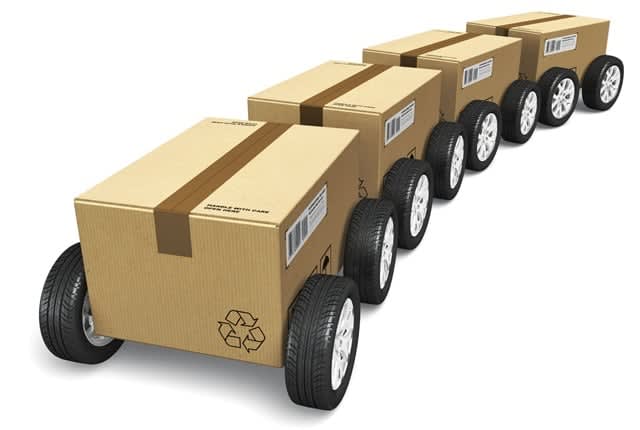
Photo via istock.com
Most fleet managers would agree that the primary objective in developing a vehicle selector is to provide vehicles that allow employees to safely and successfully complete their job.
To that end, a key job requirement of service and sales fleets is to transport some form of cargo, be it equipment, products, or even people.
It would be easy to choose the largest vehicle available, if not for increasing pressures to reduce costs, increase fuel efficiency, maintain safety, and satisfy drivers. Include the fact that cargo volumes and territory sizes can change, and the decision becomes even more complex.
So, how do you determine the right size vehicle to use? Global healthcare company Johnson & Johnson’s fleet management decided to tackle this issue in 2013, developing a process to address varying cargo requirements while considering all the other key metrics and keeping its drivers happy at the same time.
Understanding Unique Fleet Needs
Each of the company’s more than 7,500 sales and service vehicles in the U.S. carry a variety of products and provide a range of services, so cargo carrying requirements can differ significantly. For this reason, cargo is a dynamic and critical aspect of the vehicle selection process, and the one size did not fit all.
Similar to many other large companies, fleet management at Johnson & Johnson is centralized, and developing a vehicle selector requires effective communication between fleet management and business stakeholders; however, the decision to choose a specific model within the selector remains the responsibility of the business level manager or driver because he or she has the best understanding of circumstantial factors, such as changes in product dimensions and territory size.
“We couldn’t be certain our drivers were consistently choosing the right vehicle size for their business needs and we knew that we needed a better process to ensure the right vehicle was being selected,” said Louise Davis-Lopez, corporate fleet manager at Johnson & Johnson.
Indeed, data showed a troubling trend in late 2012: For drivers who had their vehicle replaced over a given period, the variance among successive vehicle classes equated to $50-$100 more per month, per vehicle, suggesting that a better process was needed.
Changing for Continued Improvement
The first step in adjusting the company’s processes was understanding what processes, tools, or best practices already existed that could be applied or adjusted.
“I spoke with several peers to find out if there were any standard processes or tools for addressing cargo needs. The answer was ‘not really.’ Everyone seemed to be approaching cargo in their own way,” Davis-Lopez stated.
But, suppliers can help. For example, fleet management company GE Capital Fleet Services routinely assists its clients with issues such as vehicle class rationalization and inventory rightsizing. It provides clients with a toolkit to make it easy to determine the proper vehicle size for various driver positions.
The Johnson & Johnson fleet team began working with its fleet services supplier to create a process tailored to its needs. The result: a Cargo Rationalization Program.
The team gathered data to better understand cargo requirements (product, tools, and equipment), including quantity, dimensions, usage frequency, replenishment frequency, alternative transportation methods, and alternative storage options.
From this data, the average cargo capacity requirements for each driver could be compared with the published vehicle specifications.
With a strong foundation now built on solid data, the next step was to secure the voice of the customer. A series of focus groups made up of fleet drivers, managers, and other stakeholders were held to discuss the current and future state of cargo requirements.
During these meetings, drivers were asked to bring their company vehicle with their typical cargo to “scenario play” by placing cargo in various class sizes of vehicles.
This process highlighted what the data could not show. For example, in certain cases, the data indicated that the total volume of cargo would fit within a vehicle’s published capacity; however, by physically placing the cargo in the vehicle, it was found, at times, that certain products did not fit due to an unusual shape or the design of the vehicle itself.
“The focus sessions with our fleet drivers were invaluable because we could see how the cargo actually fits in the vehicle. But, just as important, it allowed our drivers to feel engaged in the process,” said Julie Pedelini, global fleet director at Johnson & Johnson.
The final step was to combine the raw data with the information from the focus groups and make recommendations for each vehicle class. These recommendations were made for each position and reviewed with business leadership for approval.
Reviewing the Results
The Cargo Rationalization Program resulted in several big wins and provided some unexpected findings, according to Johnson & Johnson.
First, standardized protocols now exist for determining the correct vehicle class size. Each employee driver is now offered a selection within his or her approved class size, with exceptions for medical or ergonomic reasons. While not all positions have been integrated in the process, as of press time, for orders placed in the 2014 model-year, the program resulted in 34 percent of employees moving into a different class size of vehicle.
The program eliminated the need for business managers to review each position and decide on the correct class, saving time and resources better spent on core business. Finally, the focus groups helped identify areas for safety improvement. The setting offered a stage to promote safer ways to pack cargo, as well as utilize safety equipment, such as cargo safety screens.
“We weren’t sure if the program was going to result in larger or smaller vehicles overall. Ultimately, we found that we have a better way of ensuring our drivers are in the right size of vehicle to perform their job safely,” Pedelini said.
Challenging the Status Quo
Throughout the project, Johnson & Johnson learned a few lessons, including:
Change management is critical early and throughout the program. The engagement of corporate leadership and field management ensures prioritization of corporate goals and appropriate recommendations.
Utilize your fleet management company’s expertise. It has the tools and the data to help you make informed decisions. As Pamela Koehne, strategic consultant for GE Capital Fleet Services noted, “a vehicle class rationalization program helps clients focus on the performance metrics most important to their company goals such as environmental, driver productivity in generating incremental revenue, safety, and/or total cost of ownership.”
Meet drivers face-to-face. Focus groups foster collaboration with drivers and support recommendations.
There will always be exceptions. The process is based on the average cargo for a position. Needs outside of cargo exist and must be managed.
Cargo rationalization is an ongoing process. Cargo requirements can change over time, even for the same position. Reconnecting with drivers is recommended to assess any changes in needs.
Savings should not be the sole deter-mining factor in purchase decisions. The right decision is to ensure driver safety, and consequently a larger vehicle may be necessary.
Provide choice within class size, if possible. Offering more than one model within each class size may increase driver satisfaction.
Brian Snow is a sourcing manager in the business service category with Johnson & Johnson.
More Operations

Fleet Has a Talent Pipeline Problem. What Comes Next? | AF News Recap
Where will fleet’s next generation of leaders come from? This week, we’re looking at the industry’s talent pipeline, what certification can add to a fleet career, how to build an award-worthy track record, and the return of Automotive Fleet’s Personal Use Survey.
Read More →
Smith System Launches Driver Risk Management Program
Fleets have more driver data than ever, but identifying risky behavior doesn't necessarily correct it. Smith System's new Driver Risk Management program combines monitoring, training, and follow-up coaching to help fleets connect risk signals with driver intervention.
Read More →
Automotive Fleet Opens 2026 Personal Use Survey for Commercial Fleet Managers
Less than two weeks left! Commercial and corporate fleet managers are invited to share how their organizations handle company vehicle personal-use policies, charges, and driver eligibility.
Read More →
From AI Prompts to AI-Generated Safety Songs | AF News Recap
Can better prompts make AI more useful for fleet managers? This week, we’re breaking down smarter fleet analysis, an AI-assisted experiment that turned safety training into music, and what happened to fuel prices in August.
Read More →
How to Write Better AI Prompts for Fleet Analysis
Include these six elements in your fleet prompts to generate more relevant analysis and accurate answers.
Read More →
Fleet Meets: Eric Kilgore
This edition of the Fleet Meets series features one of the industry's best leaders driving multi-market and national operations.
Read More →
Why Reactive Fleet Management Is Becoming Too Expensive to Sustain
Research highlights a growing need for proactive management strategies to address rising costs in fleet operations effectively.
Read More →
What Your Fleet KPIs Aren’t Telling You
Tracking fleet metrics is only useful when the data leads to better decisions. This guide helps fleet leaders assess cost, utilization, and downtime more accurately, identify performance gaps, and prioritize the actions that can improve operational results.
Read More →
Hidden in Plain Sight: Fleet Compliance Risks
Fleet compliance isn't just about having policies — it's about consistently enforcing them. This practical guide reveals six hidden compliance risks common in public sector and shared fleet operations and outlines proven strategies to improve visibility, accountability, and audit readiness
Read More →
Turning Fleet Payment Data into Executive Insights
Does data alone drive results in operations?
Read More →