




Limousine Operators Explore Options to Green Their Businesses
Reviewing new product options and adjusting fuel formulas, as well as going paperless at the office, are some of the ways these companies have strengthened their green programs.

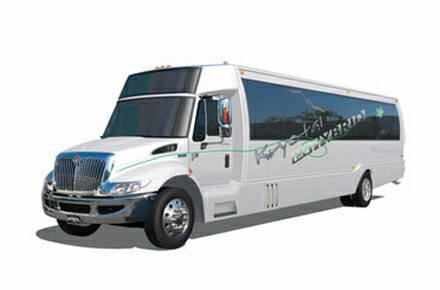
JOSEPH BRUNETTO, vice president of fleet and technology for MTC Limousine & Corporate Coach, Inc., in Bedford Hills, N.Y., loves exploring green fleet options. Whether its testing out a Mercedes Benz R320 BlueTEC or a Krystal Hybrid mini coach, Brunetto always looks into possibilities for buying vehicles.

There aren’t many options on the market yet for green buses, Brunetto says. The motorcoaches in the MTC fleet are not older than the 2006 model year, and Brunetto is looking at product options on post-2007 models offered by Motor Coach Industries, such as a diesel engine scrubbing system, which collects and removes soot from the engine. He’s looking forward to test driving the Krystal Hybrid, an electric/diesel hybrid bus. One of the positive features is that the Krystal bus can idle and run air conditioning in hot summer months while still complying with no-idle policies, he says.
MTC buys biodiesel for its mini-coaches and motorcoaches at different levels, including B2, B5, and B10 formulas. Two years ago, Brunetto attended a seminar put on by the New York State Energy Research and Development Authority on using ethanol and biofuels in fleet vehicles. One of the practices he’s implemented since then has been integrating biodiesel into vehicles at different levels during varying weather conditions. As the weather gets warmer, more biofuel can be used in the bus. “We’ve integrated biodiesel into the fleet,” he says, “and it depends on the time of the year when diesel fuels become thick.”
Like MTC Limousine, Olympus Worldwide Chauffeured Services, based in Atlanta, has been active in the Limousine Environmental Action Partnership. LEAP executive director Pat Charla has been guiding Olympus president Johan DeLeeuw, on building a solid green program to meet corporate client requests, and in conducting green office procedures such as converting paper documents over to digital formats and reducing paper usage by more than 65%.
Winning over a large hotel account from a company promoting green initiatives was an important reason for becoming active in LEAP, DeLeeuw says. While there’s less corporate focus now on green programs during the recession, Olympus is still reporting emission reductions to sustainability officers on a regular basis, he says.
While Olympus doesn’t own any buses, the company can farm out bus reservations to local affiliate partners. Buses are used regularly to fulfill transportation requests for a commercial property client in Atlanta, moving employees to offsite parking locations, DeLeeuw says. “We’re able to sell a lot of bus service,” he says, “and the profit is higher when using outside operators.”
The buses aren’t powered by biodiesel or other green fueling options, yet they’re still an important part of Olympus’ green program since they move 55 people in one bus instead of in 55 cars, he says. “Cost per passenger is also better,” he says. “Cost is a big factor in this economy, as is safety and convenience.”
Originally posted on Charged Fleet
More Global Fleet
GeoFencing Adds to Your Truck Security Arsenal
Geofencing is a familiar fleet tool today, but its early adoption marked a major shift in vehicle tracking, route monitoring, and the debate over employee privacy.
Read More →
Holman Takes Full Ownership of ARIZA in Mexico
Holman is bringing its Mexican fleet management operation fully under its own brand after more than 30 years as a joint venture. The change gives multinational fleet customers a single Holman operation across the U.S., Canada, and Mexico.
Read More →
5 Tire Maintenance Tips to Help Prevent Work Truck Downtime
Regular tire checks can do more than extend tread life. These five maintenance practices can help work truck fleets catch problems early, reduce costs, and prevent downtime.
Read More →

Proven Ways to Reduce Work Truck Downtime
The age-old problem of downtime will always be a reality, but with new strategies at hand, fleets have more ways to keep trucks on the road longer.
Read More →


Cameras, Safety and Insurance: From Reactive Claims to Real-Time Prevention (Part 2 of 2)
Part Two: Commercial auto remains one of the most challenging and costly lines of coverage for fleet operators and insurers alike. Continue learning more about how to effectively address these issues from Onur Aksan, Enterprise Business Development Executive, Geotab
Read More →
Cameras, Safety and Insurance: From Reactive Claims to Real-time Prevention
Commercial auto remains one of the most challenging and costly lines of coverage for fleet operators and insurers alike. Learn more about how to effectively address these issues from Onur Aksan, Enterprise Business Development Executive, Geotab.
Read More →
Fleet Costs Are Rising: Here’s How Leaders Are Responding
Fleet leaders are under pressure to reduce costs, adapt to economic uncertainty, and make smarter decisions. See how peers across North America are responding with real data, proven strategies, and forward-looking insights. Download the 2026 Market Pulse Report to benchmark your strategy and uncover where you can gain an edge.
Read More →
Enterprise Fleet Management Surpasses 900,000 Vehicles in U.S. & Canada
Enterprise Mobility connects with mobility solutions around the globe
Read More →