




About the Author: Paul Carp, Sr. is the director, business development, fleets at EVgo and is focused on creating fleet partnerships to build and manage EV charging infrastructure. Prior to EVgo, Paul spent 20+ years deploying clean energy, sustainability, and technology initiatives across the federal government, Fortune 500 corporations and venture-backed startups. Paul has worked in sales, marketing, operations, and economic development. Paul has a BA from the University of Michigan, an MBA from the Presidio Graduate School and lives in Oakland, Calif., with his wife and two kids.
Leading the Charge: 3 Ways to Succeed with Fleet Electrification
It’s time to transition away from ICE vehicles and lean into electrification. Here are three key steps to break the process down and get all stakeholders on board.
by Paul Carp, EVgo
August 8, 2022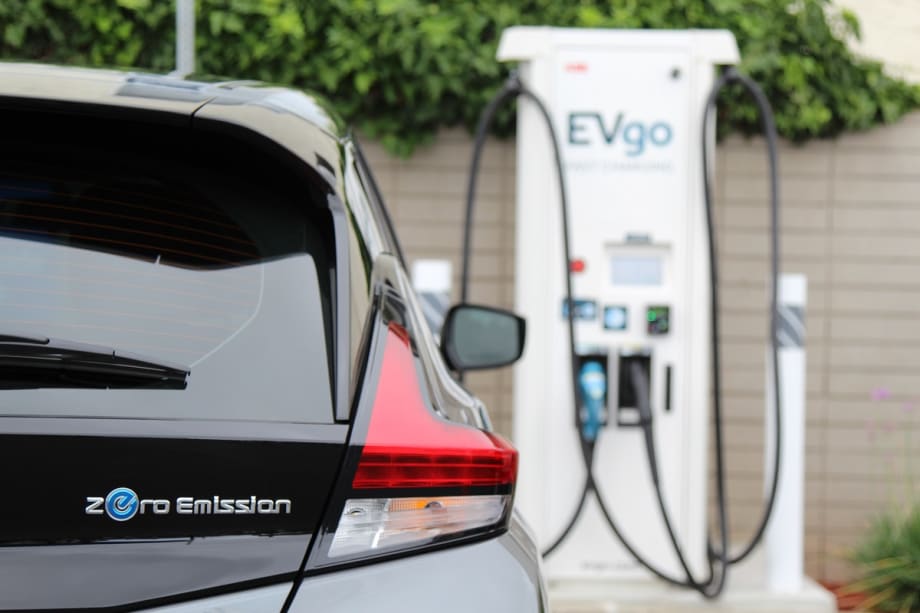
To future proof your approach, make sure you select partnerships based on your anticipated infrastructure needs up to 10 years down the road.
Photo: EVgo
5 min to read
The case for electrification is clear. Total cost of ownership is lower for electric vehicles than internal combustion engines (ICE), and that’s even before factoring in grants, rebates, and other incentives. Plus, it’s the right thing to do environmentally, especially as customers, investors, and employees alike demand greater sustainability commitments. It’s a better, cleaner, quieter ride, which makes for even happier drivers.
The time to transition away from ICE vehicles is now. That said, fleet electrification is a team sport, and one stakeholder can’t make the switch alone.
Finding success with fleet electrification requires coordination among multiple internal and external stakeholders – from fleet operators to finance, charging solutions providers, the C-suite, real estate, utilities, and more. However, by taking a modular approach and breaking this process down into three keys to operational success, any organization can overcome these hurdles to find success with their transition strategies and optimize their fleets for the future.
1. Safety in Numbers: Building a Data-Driven Transition Plan
The electrification process can help to trim an organization’s emissions as well as its operational costs – but at the same time, electrifying is an investment – and that requires buy-in from those responsible for finances. Luckily, by developing a data-driven transition plan, organizations can illustrate the long-term cost effectiveness of electric vehicle (EV) adoption versus traditional ICE vehicles, helping to justify the upfront costs such as the purchase of EVs.
For best practices, fleet operators should use a total cost of ownership (TCO) framework to help determine how to approach electrifying their fleets. This framework can include key variables such as vehicle model and use case, charging infrastructure, and operations and maintenance of both. Through this approach, fleet owners and operators can better examine options, from asset ownership to a CapEx-light Charging as a Service model and determine how each fits into a department’s organizational objectives – from finance to the c-suite.
From there, companies can begin to electrify their fleets and over time see the return on investment (ROI) accumulate. A phased transition can help fleet operators highlight the future business benefits of electrification over time with a data-driven transition plan.
2. Big Picture: Taking a Holistic Approach to Electrification
An electrification plan requires more than purchasing new vehicles. In fact, the approach demands bigger picture thinking. To ensure a seamless transition, it’s vital to consider critical aspects of the overall EV infrastructure (from vehicle and charging infrastructure to software and day-to-day operational needs) and how they will work together before even beginning the transition process.
By making vehicle and charging infrastructure selections with a vehicle-agnostic approach, companies can develop a “smart,” or interconnected, charging infrastructure that allows them manage energy use and seamlessly integrate with their core fleet management systems. Additionally, when selecting the hardware for your transition, tailor the selection to your fleet’s individual needs today with awareness of potential needs five to 10 years down the line. This includes selecting hardware capable of seamlessly integrating with the right software solution for your use case, choosing a site with capacity for developing additional infrastructure in the future, and calculating the ideal balance of DC fast chargers and Level 2 chargers.
On the other hand, the software selection process is also capable of making or breaking one’s ability to successfully future proof their plans. As a result, there are several foundational capabilities that fleet operators should prioritize in software, including:
Energy management, such as the ability to load shift demand charges and therefore avoid unnecessary upgrades
Interoperability, which can enable companies to leverage open-standards like Open Charge Point Protocol (OCPP) and avoid vendor lock-in, simplifying the scaling process as technology evolves.
Telematics integration, or software that can be combined with other technologies. This allows the software to monitor all relevant information related to the fleet across the network and lay the foundation for a “smart” infrastructure.
Charging optimization, or considerations such as fleet uptime and fuel costs, to help maximize efficiency and achieve the lowest cost per vehicle miles traveled (VMT).
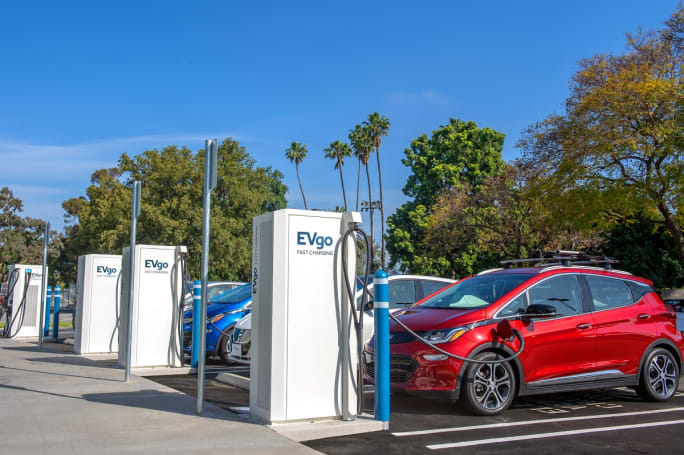
Photo: EVgo
By tailoring hardware and software selections to an organization’s specific needs, fleet operators can enable smart infrastructure and maximize the impact of their efforts while reducing operational costs and carbon emissions in the long term. But the whole is more than the sum of its parts, so a fleet operator must make sure they are choosing the overall system solution that will get the job done right.
3. Allied Forces: Accelerating Deployment with the Right Partners
Between internal and external stakeholders alike, the transportation electrification game is a team sport. That’s why when an organization is ready to deploy their electrified fleet, it’s essential that they select the right partners to help them optimize this transition. In fact, fleet managers can take advantage of having charging solution providers manage the complexity of charging infrastructure deployment.
This process benefits from coordination between three key players: the charging solutions provider, local utilities, and your vehicle original equipment manufacturer(s)(OEM) of choice. As it can take anywhere from six to 18+ months to electrify a site, these parties should be integrated into the journey from the beginning to help streamline this process. And in order to future proof this approach, a critical piece of fleet electrification is ensuring you select partnerships based on your anticipated infrastructure needs up to 10 years down the line. This includes factoring in the potential need for additional sites into site selection processes and utilizing partners like your selected charging provider to help liaise with utilities, municipalities, engineering teams and more to ensure a smooth permitting process.
On the other hand, best practices for ensuring uptime and reliability for your charging network can be made simple by selecting a vendor that offers ongoing maintenance and operations as part of their services – enabling companies to take advantage of competitive benefits including proactive monitoring of the stations, service uptime guarantees, and even 24/7 customer support.
These strategies will help to better prepare your plan for the long term and protect against unexpected challenges and expenses like distribution grid updates or other necessary infrastructure changes.
Sustainable Progress: Powering the Next Phase of Fleet Operations
Fleet electrification can be a challenging and lengthy process, so it’s important to remember that a successful transition doesn’t happen overnight – or even in one phase. Instead, fleet operators should remain focused on the big picture and lessons learned from each phase of their strategy. By taking a modular approach to fleet electrification, and following the three aforementioned keys to operational success, companies can succeed in their transition to optimize their fleets for a sustainable future.
Subscribe to Our Newsletter
More Fleet Forward

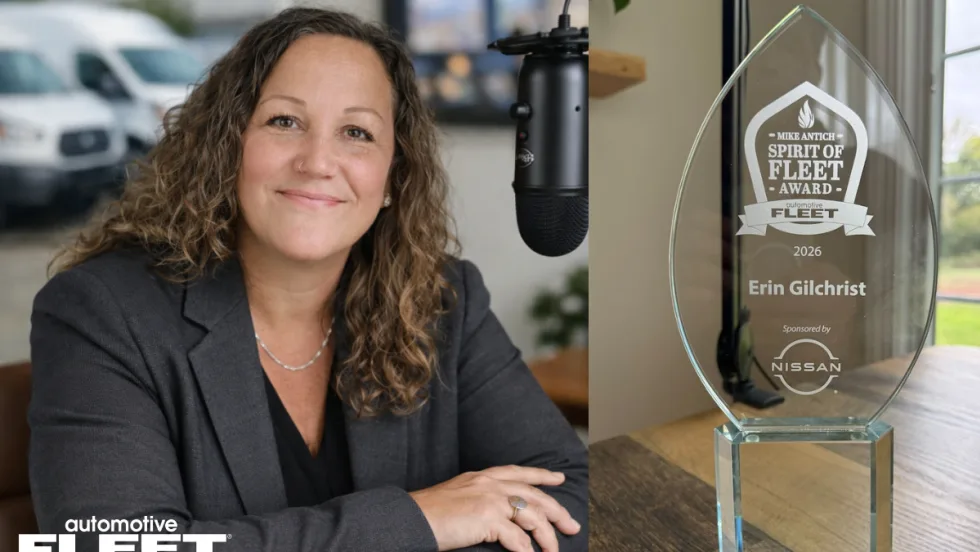
Erin Gilchrist Receives Mike Antich Spirit of Fleet Award
Last week at AFLA in Vegas, Erin Gilchrist received the inaugural, brand-new Spirit of Fleet Award.
Read More →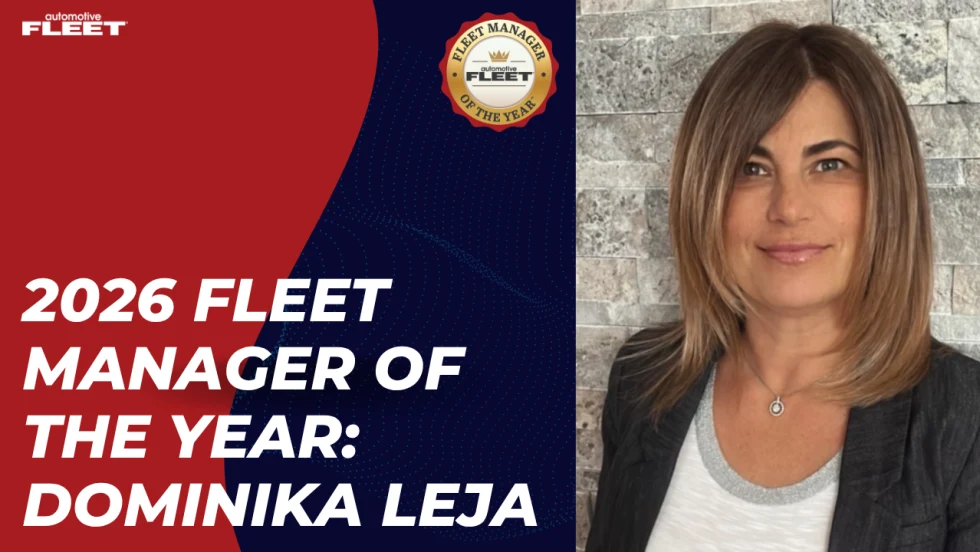
Dominika Leja Named the 2026 Fleet Manager of the Year
The AstraZeneca associate director of fleet was recognized for her leadership in fleet electrification, cost savings, and operational transformation.
Read More →
Jamie McKay Named the 2026 Fleet Visionary Award Winner
The Aptive Pest Control fleet manager was recognized for her approach to operations, data, lifecycle management, and driver needs.
Read More →
Fleet Forward Conference Introduces One-Day Passes for 2026
New one-day registration gives fleet professionals the flexibility to attend Tuesday, Wednesday, or Thursday, with passes available for $199 through Sept. 18.
Read More →
Vibe Coding: When Fleet Managers Become Software Builders
Five fleet professionals — none with programming skills — discuss how they’re using AI to build fleet solutions in-house and in a fraction of the time.
Read More →
Fleet Forward Conference Tackles Fleet Industry’s Growing Leadership Gap
This session will examine succession planning, knowledge transfer, and the skills the next generation of fleet leaders will need as veteran professionals leave the industry.
Read More →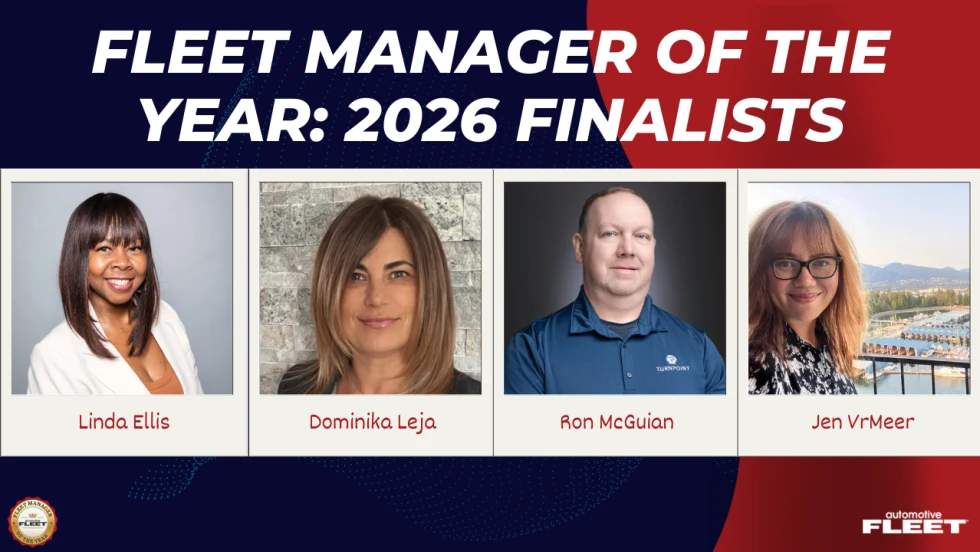
2026 Fleet Manager of the Year Finalists Announced
Who are the 2026 Fleet Manager of the Year finalists?
Read More →
John Rossant to Deliver Opening Keynote at 2026 Fleet Forward Conference
The CoMotion founder will draw on developments across Europe, China, the Middle East, and other international markets to identify trends that could influence how U.S. fleets plan for the coming decade.
Read More →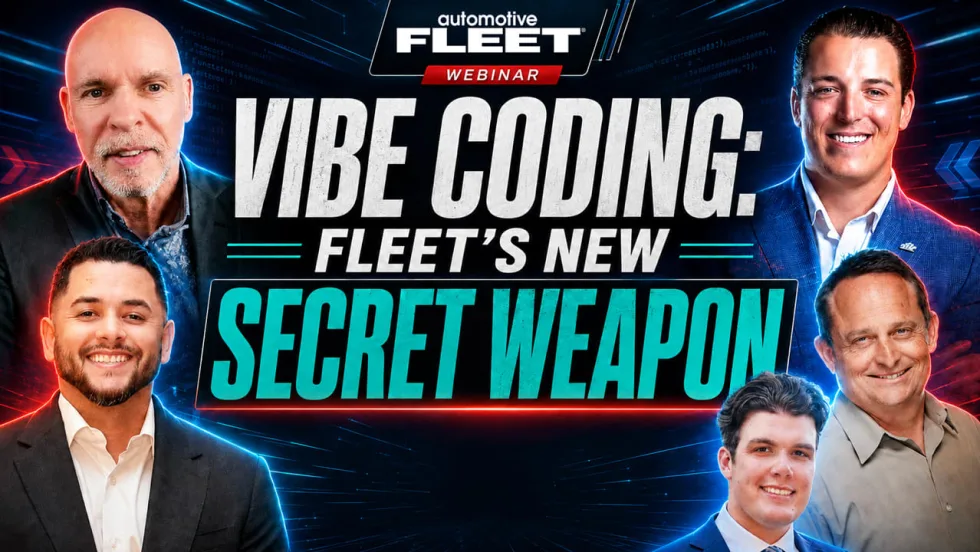
How to Build Custom Fleet Tools With AI and Vibe Coding [Webinar]
A new Automotive Fleet webinar explores how fleet managers are using AI and vibe coding to automate routine work and create simple operational tools without traditional programming skills.
Read More →