




Kraft Foods Field-Tests Alt-Fuel Vehicles
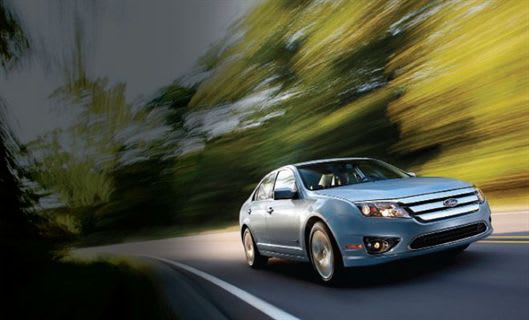
As part of continuing sustainability efforts, the global foods powerhouse is evaluating initial driver response to a pilot test of Ford and Toyota hybrids, the Subaru Forester PZEV, and the diesel-powered VW Jetta in its sales fleet.

Nearly 50 sales fleet volunteer drivers at Kraft Foods have been field-testing a selection of alternatively powered vehicles in the company's fleet's latest sustainability measures.
Since early last year, according to John Dmochowsky, sales fleet manager, Kraft Foods salespeople have been testing several hybrid models, including the Ford Escape and Fusion, Toyota Prius, and Subaru Forester PZEV, plus the diesel-powered Volkswagen Jetta.
"We included the Jetta because diesel is increasingly being considered an alterative fuel," said Dmochowsky. "The Jetta achieves as high as 60 mpg and burns cleaner."
Facing rising fuel prices, changing regulations, and more green goals set by customer companies, Kraft Foods began implementing fuel-efficiency and emissions-reducing measures several years ago, said Dmochowsky.
"In Spring 2007, we were one of the first fleets to move from six- to four-cylinder vehicles," he pointed out. The Kraft Foods sales/management fleet numbers about 5,000 vehicles.
Measuring Benefits of Hybrids
The field tests and evaluations will be used to measure the benefits of hybrid vehicles compared to traditional gasoline engines, Dmochowsky explained.
"This program is consistent with Kraft Food's overall green initiatives. We will compare and contrast performance of these vehicles against standard offerings driven by the majority of our employees today across two dimensions: total cost of ownership and the 'use-phase' carbon footprint," he said. Preliminary results show improvements of between 30-77 percent in fuel economy against the standard vehicle offerings, depending on the model.
The vehicles were deployed throughout the country, but with the geography of each vehicle's territory in mind, said Dmochowsky. "For example, we didn't put a hybrid in a rural area, where its benefits aren't as substantial."
Following Up in the Field
Dmochowsky and David Lighthall, Kraft national fleet supervisor, are conducting in-person interviews and in-vehicle surveys with the volunteer drivers, using a rating scale of 1-5, one being poor; five being excellent.
Drivers rated the following factors in driving the hybrid or diesel vehicles:
Delivery experience.
Overall vehicle size with factory equipment.
Driver and passenger head, leg, and hip room.
Road and traffic visibility.
Interior capacity.
Interior noise levels.
Access to maintenance providers.
Highway and city driving performance.
Overall safety and experience.
Jetta drivers rated fuel availability and diesel noise and smoke.
The evaluation noted the model, delivery date, and current odometer setting.
Lighthall and Dmochowsky also solicited written comments on maintenance issue and dealer service experiences.
Initial results from the in-person visits indicated "primarily, drivers were extremely satisfied with the hybrids," said Dmochowsky.
The personal visits will provide "a gut check first," said Dmochowsky. A survey of all drivers who weren't personally visited will follow.
"Based on this analysis and a look at other opportunities to implement the hybrids, we'll determine where it is right to do so," Dmochowsky concluded.
More Green Fleet
New Propane Autogas Program Offers Fleet Compensation
Qualified commercial fleets can receive $7,500 per eligible propane autogas vehicle and up to $10,000 for new refueling site prep. Learn how the program works and see whether your fleet qualifies.
Read More →
EV Charging Use Is Outpacing Infrastructure Growth
ChargePoint’s 2026 Charging Forward Report points to rising charger use, higher-powered charging, commercial vehicle electrification, and energy-management technology. Here’s what fleets should know.
Read More →
Merchants Fleet Reports 290M EV Miles as Fleets Navigate Changing Electrification Market
From millions in operating savings to hundreds of millions of EV miles, Merchants Fleet’s latest report reveals what’s working and what’s changing in fleet electrification.
Read More →

The EV Breakdown Nobody's Talking About: Why Most Electric Vehicle Roadside Calls Aren't Mechanical Failures
Here's why EV breakdowns are widely misunderstood.
Read More →
ChargePoint Now Available in Energy Pass
ChargePoint and additional planned charging network integrations were added to GM's Energy Pass.
Read More →
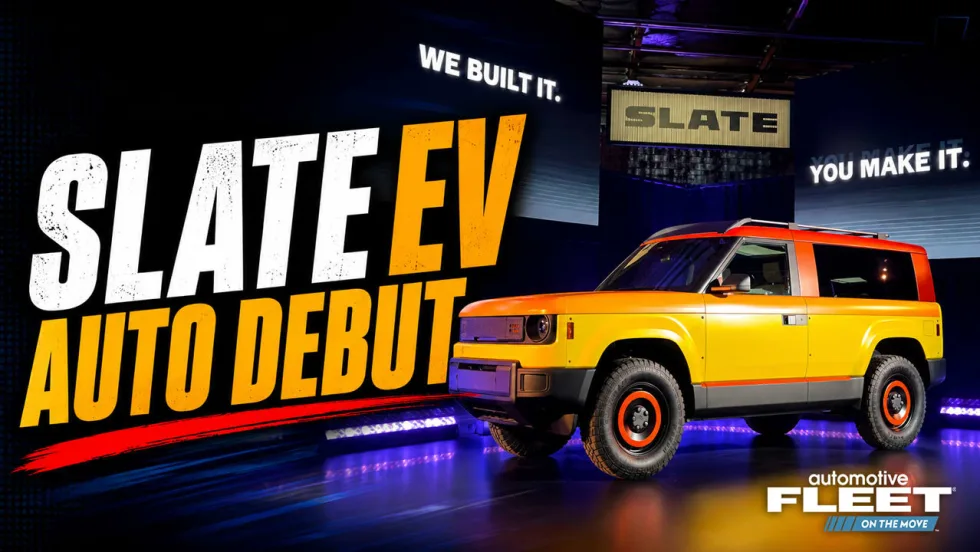
First Look: Slate Auto's Electric Fleet Pickup
Could an affordable, modular EV pickup make electrification more practical for fleets?
Read More →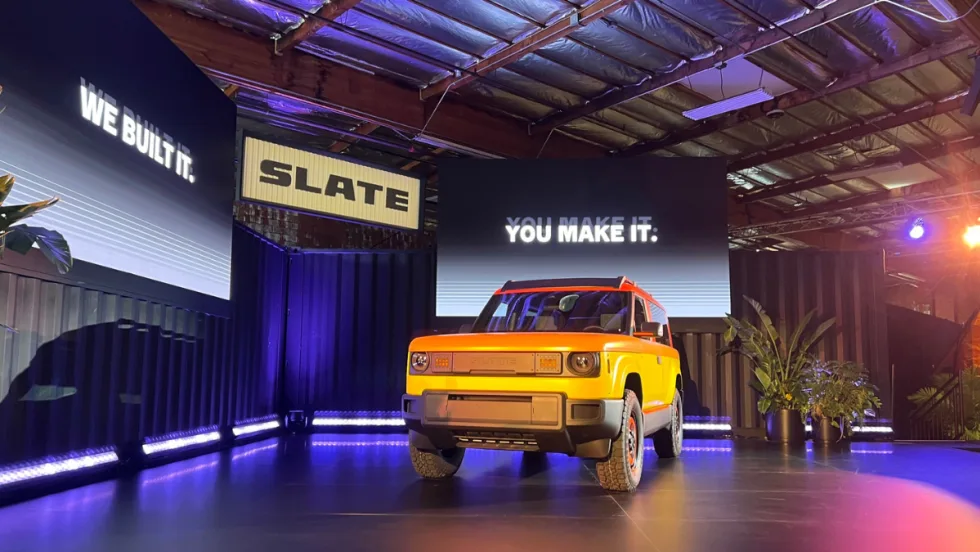
Slate Debuts Colorful, Unique EV Models
A recent media and client event, studded with electric vehicles dressed up on platforms, planted a new position for the manufacturer in the wider EV market. Fleets will find cost-saving advantages.
Read More →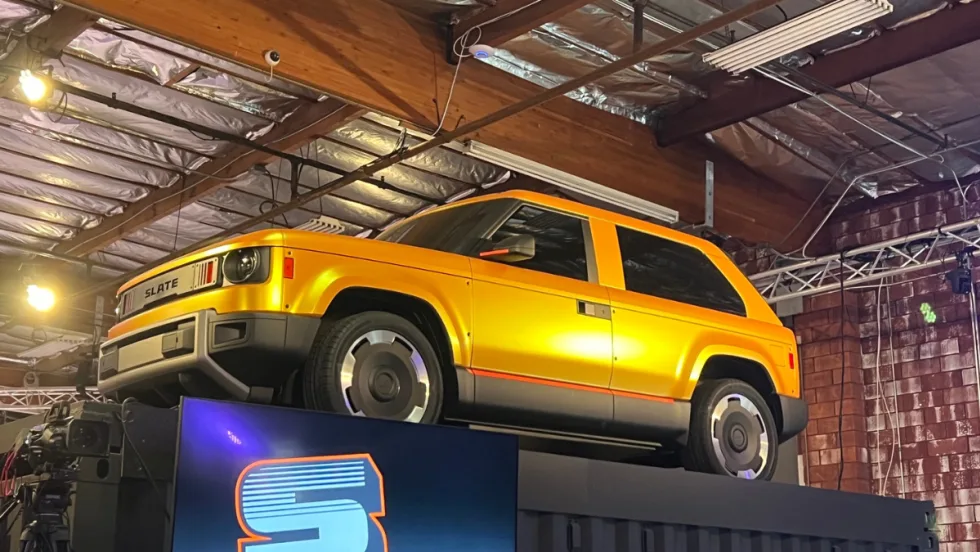
Slate Electric SUV, Pickup Switchable Model Aims For Light-Duty Fleets
Everything about this EV is counterintuitive and understated, making it stand out from the crowd.
Read More →
Inspiration Mobility Acquires Key Electrada Assets
Inspiration Mobility Group has acquired select assets of Electrada, adding the fleet electrification provider's team, technology, and charging infrastructure development capabilities to its energy management business.
Read More →