




About the Author: Andy Binns is co-author of the new book, Corporate Explorer: how corporations beat startups at the innovation game, together with Professor Michael Tushman from Harvard Business School and Professor Charles O’Reilly from Stanford. They are all co-founders and directors of the Boston-based innovation advisory firm, Change Logic.
Is the Automotive Industry Finally Learning the Lesson of Tesla?
While Tesla has served as a disruptor and introduced an entirely new business model to the auto industry, new OEMs are now emerging, and even the tried-and-true automakers are adopting new strategies to compete.
by Andy Binns, Change Logic
March 18, 2022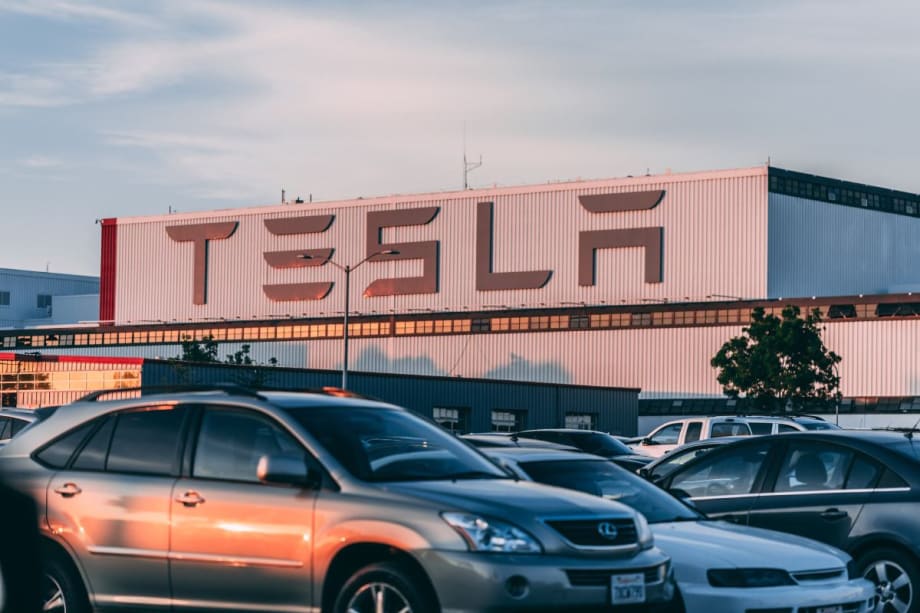
Tesla's demonstrated success with an "ambidextrous strategy" is catching on. Ford's new two business units show its desire to win in the electric business, too.
Photo by Craig Adderley/Pexels
4 min to read
Earlier this month, Ford announced that it is splitting its business in two. One unit will focus on the traditional gasoline-powered vehicles, while the other builds its future in electric vehicles. This will allow them to pursue two strategies that effectively compete with one another, at once from inside the same organization. It is a radical departure for an industry that has wrestled for over a decade with how to deal with the emergence of Tesla.
The industry’s reaction has gone through three distinct phases – disdain, mimicry, and panic. At first, Tesla was dismissed. In 2010, I heard one auto-industry executive explain in an internal company meeting how the roads would be littered with broken-down Teslas by the end of the decade. Such was the disdain for Musk’s upstart firm. Mimicry started as auto manufacturers started setting up labs in Silicon Valley, Berlin, and elsewhere. They tried to reawaken the company’s startup gene, only to find that all they had created was a series of fringe businesses. Then, as Tesla started to fix its manufacturing problem, they moved into full panic mode. Here was evidence that Tesla was going to survive and prosper.
The key thing about Tesla is that it represents more than a new type of powertrain to replace the internal combustion engine. They created a different retail experience, unburdened by the legacy of dealership networks. They hired executives from Apple and elsewhere to reinvent everything from manufacturing to marketing. They pushed the boundaries of regulatory approval by introducing over the air software updates to vehicles. This is not simply a new type of propulsion; it’s a whole new business model.
The automakers were slow to learn that this new business model would require a separate organization. The experience of watching firms like Nokia, Kodak, Blockbuster, and others become victims of disruption was not enough to convince them to do things differently. They held on to the decades old management structures and systems, believing that size alone would be enough to see off the threat from Tesla. Unfortunately for them, Tesla is now on a path to capture a quarter of the U.S. new vehicle market by 2030. Even worse, they are no longer alone, as firms like Lucid, Polestar, and Fisker emerge to challenge as well.
Ford’s announcement marks a shift and perhaps a fourth phase in the response. They have decided to pursue what Harvard Business School Professor Mike Tushman calls an "ambidextrous strategy" that allows them to exploit the gasoline business and explore into the electric market. The value of this separation is that they are able to design a business to win in electric, rather than simply exist in the shadow of the traditional unit. Take for example Ford’s deal with Sunrun, the leading U.S. solar power company. They will install an integrated system to provide solar power, car charging, and home energy via the vehicle's battery. This is a different game from selling cars on a dealer forecourt, and this new unit will leave Ford’s electric business free to pursue a strategy to win.
Ford could have spun-out the electric business as an independent entity. This was the strategy favored by former General Motors executive Dan Ammann. He led GM’s Cruise unit responsible for autonomous vehicle strategy. In a public spat with CEO Mary Barra, Ammann believed Cruise should IPO as a separate company. Barra believed that this would rob GM of an ability to compete in the new market and prevent Cruise from using the considerable assets available to it from inside the GM family. Like Ford, GM is now pursuing its future with the ambidextrous approach. It has a pilot running in Arizona to provide Walmart with autonomous delivery vehicles and has set itself the target of selling vehicles to consumers within the decade.
The ambidextrous strategy is not new. IBM was an early proponent, enabling it to build multiple businesses alongside its historic computer franchise. Electronics retailer Best Buy has built a significant healthcare business, using some of the assets of its core business, like the Geek Squad, as well as acquiring new ones. However, not all have succeeded.
Key to success will be Ford and GM’s ability to manage the intersection points between the two units. The electric business will still need the dealer network, brand, and some of the engineering capabilities of the established company. How will that be managed? It will also be a test of leadership. The tensions of the dual strategy approach sit in the C-suite with leaders that need to stay committed to both exploiting the old and exploring into the new, without allowing either strategy to suffer. It’s a tough ask, but if they can pull it off it gives them the best chance of catching Tesla, and reinventing themselves for the next generation of mobility.
This article was authored and edited according to AF editorial standards and style. Opinions expressed may not necessarily reflect that of AF.
Subscribe to Our Newsletter
More Vehicle Research
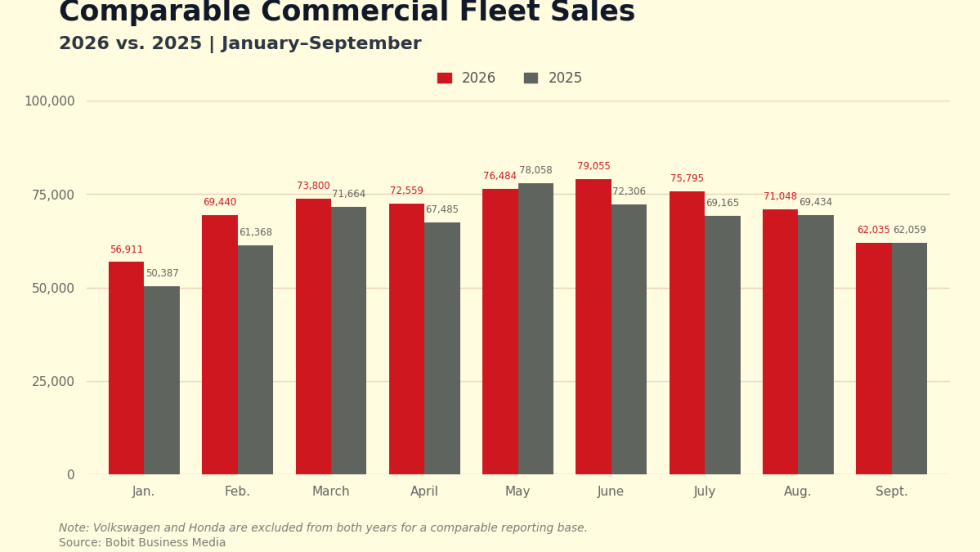
Commercial Fleet Sales Rise 5.8% Through September 2026
September commercial fleet sales were essentially unchanged from a year earlier, slowing year-to-date growth while keeping volume ahead of 2025.
Read More →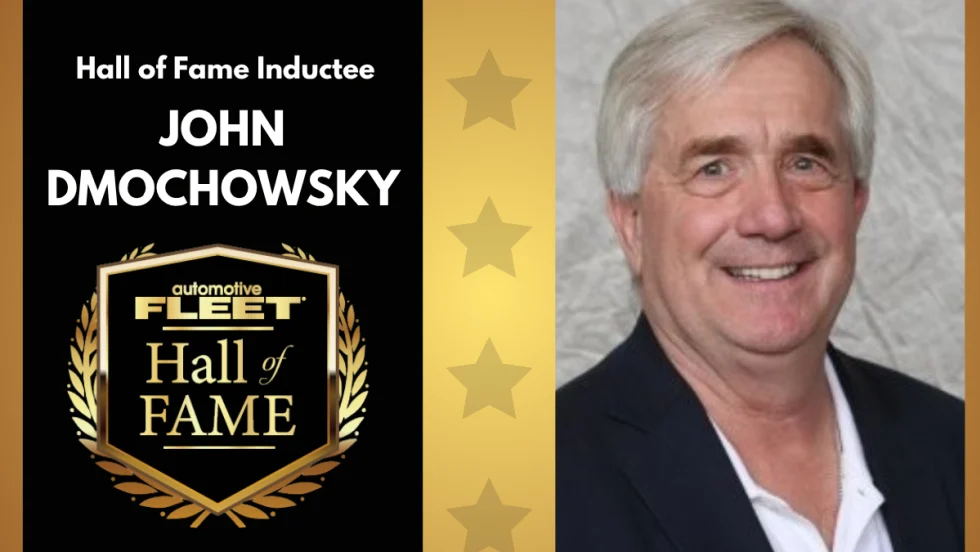
Hall of Fame Inductee: John Dmochowsky
The longtime Mondelēz International fleet executive joins the Automotive Fleet Hall of Fame.
Read More →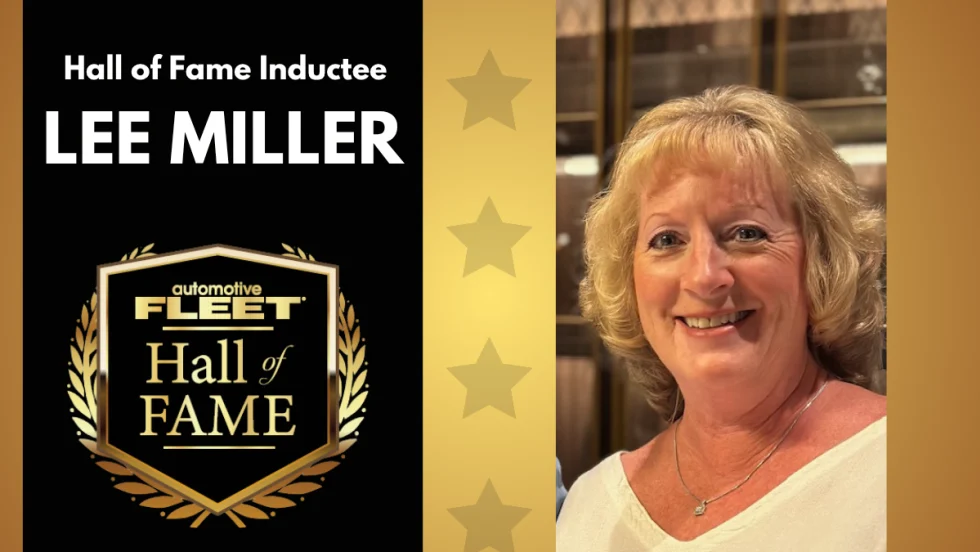
Hall of Fame Inductee: Lee Miller
After more than four decades at Boehringer Ingelheim, Lee Miller leaves a legacy built on fleet expertise.
Read More →
Hall of Fame Inductee: Mark F. Petersen
From managing fleets of thousands of vehicles to advancing safety and mentoring fellow professionals, Mark F. Petersen made his mark across both the corporate and supplier sides of fleet.
Read More →
When Charger Downtime Becomes a Fleet Availability Problem
As EV deployments move beyond pilot programs, charger reliability can directly affect vehicle readiness, driver productivity and route scheduling.
Read More →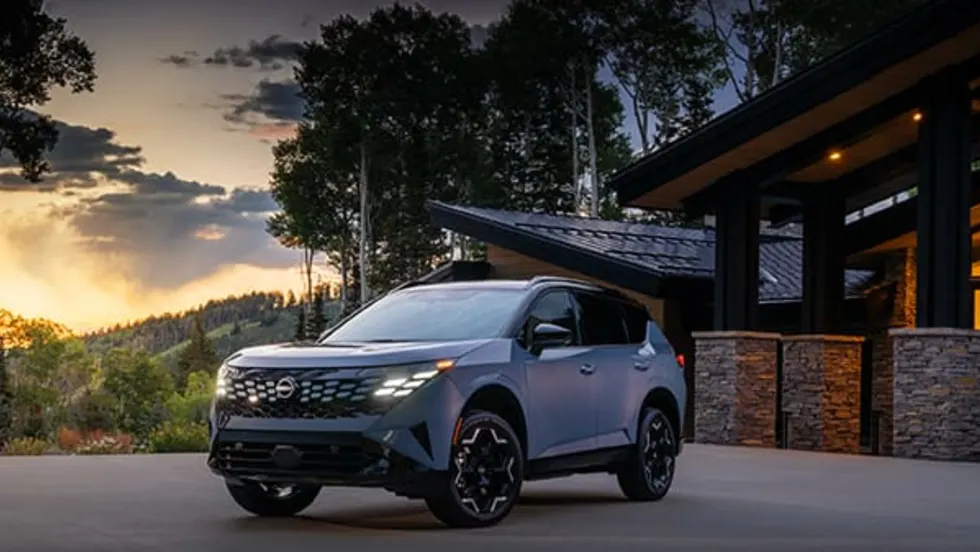
2027 Nissan Rogue Hybrid Adds e-POWER, Standard AWD
The new Rogue Hybrid uses Nissan’s e-POWER system with dual electric motors, offers an estimated 40 mpg and starts at $35,490.
Read More →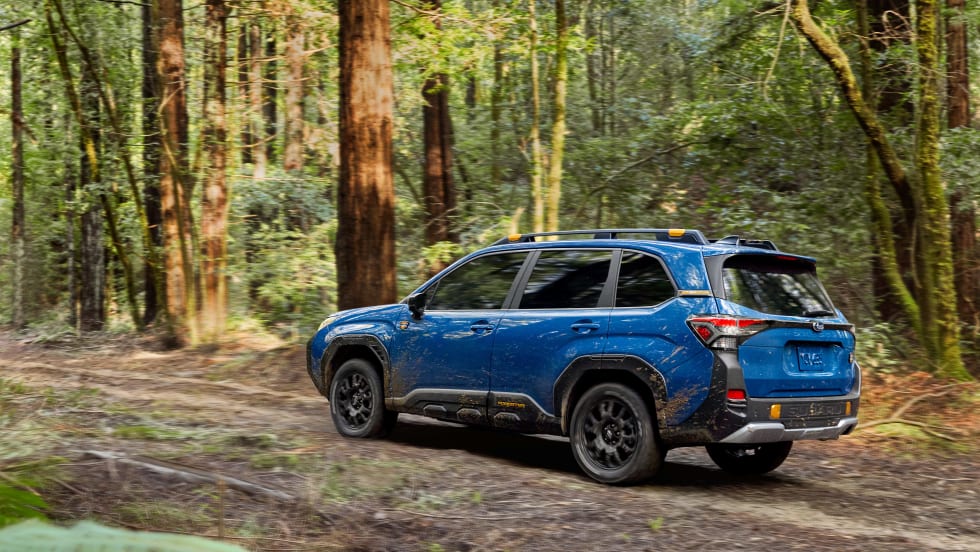
2027 Subaru Forester Adds First Wilderness Hybrid
The 2027 Forester lineup starts at $29,995 and adds a Wilderness Hybrid with 194 combined horsepower and 9.3 inches of ground clearance.
Read More →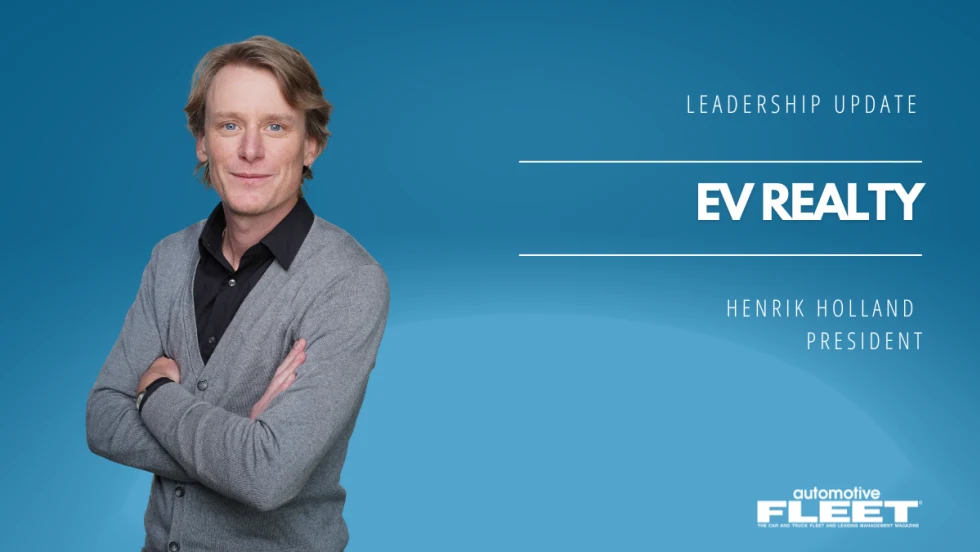
EV Realty Names Henrik Holland President as Charging Platform Expands
The former Prologis Mobility and Shell executive will help expand EV Realty’s truck charging business and move its power-first infrastructure model into autonomous vehicle depots and other fleet sectors.
Read More →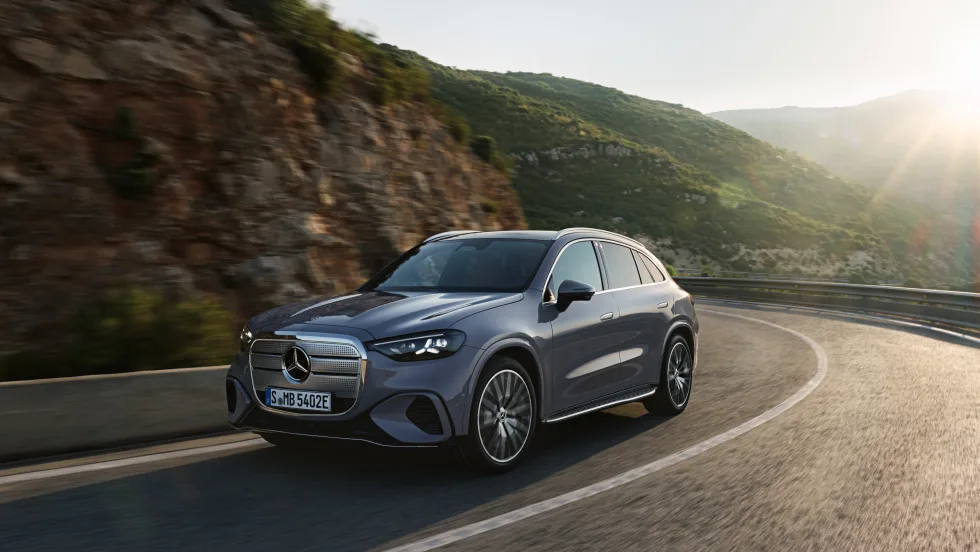
Mercedes-Benz Introduces Electric GLC With Up to 350 Miles of Range
The GLC 400 4MATIC Electric features an 800-volt architecture, 330-kW DC fast charging and a 94-kWh battery, along with Mercedes-Benz's new MB.OS operating system.
Read More →
Fleet Has a Talent Pipeline Problem, not a Talent Problem
Where will the next generation of fleet leaders come from, and what does the industry need to do differently to find them?
Read More →