




Is Natural Gas the Right Fit for Your Fleet?
Natural gas is an abundant, domestically produced alternative fuel, and could provide several benefits for fleets looking for the right fit.
Source: U.S. Energy Information Administration
Source: U.S. Energy Information Administration
With U.S. natural gas production soaring, an increasing number of fleets are considering natural gas as a vehicle fuel. Proponents say natural gas vehicles (NGVs) are good for our economy, environment, national security, and a company's bottom line. Fleet managers have never before had so many natural gas products and services available, spurred by unprecedented industry investment and government incentives.
But, exactly what is this up-and-coming vehicle fuel, where does it come from, and is it a good choice for a fleet?
Domestically Produced Fuel
Natural gas is a domestically produced gaseous fossil fuel, readily available through a nationwide network of pipelines and delivered by local utilities. Most probably know natural gas as a fuel used in homes for heating and cooking. This clean-burning alternative fuel can also be used in vehicles as either compressed natural gas (CNG) or liquefied natural gas (LNG), although the latter is used exclusively in heavy-duty trucks and buses. Both forms are cleaner, safer, and less expensive than petroleum-based fuels, making natural gas an increasingly appealing alternative to gasoline and diesel.
In recent years, 80-90 percent of the natural gas used in the United States has been domestically produced — and virtually all of our natural gas imports came from Canada, resulting in exceptional security of supply.
Source: U.S. Energy Information Administration
Most natural gas is drawn from wells or extracted in conjunction with crude oil production, although increasing volumes are produced from subsurface porous shale reservoirs through an extraction process known as hydraulic fracturing, or "fracking." The boom in shale gas production in recent years has unlocked massive domestic supplies of this resource that will ensure low, stable costs relative to petroleum products for decades to come.
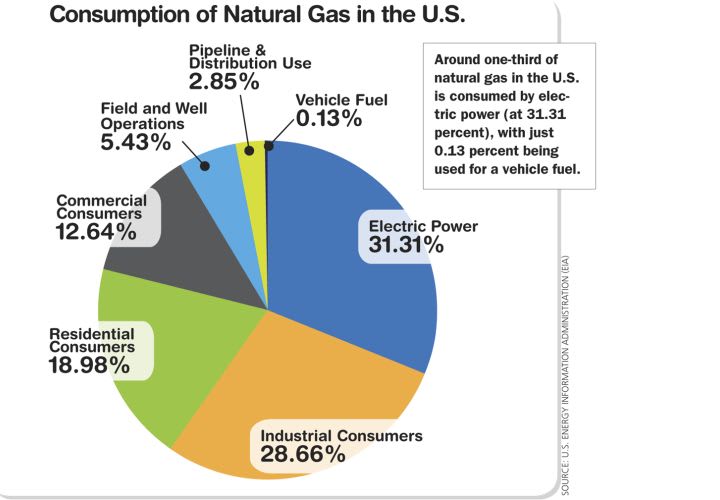
Natural gas accounts for about a quarter of the energy used in the U.S. About one-third goes to residential and commercial uses, such as heating and cooking; one-third goes to industrial uses; and one-third is used for electric power production. Although natural gas is a clean-burning alternative fuel that has been used in a wide range of vehicle applications for years, only about one-tenth of 1 percent is currently used for transportation fuel.
Growth of the Alternative Fuel
Transportation use of natural gas is set to grow rapidly in the years ahead. Our nation has the most extensive natural gas distribution system of any country in the world, making it feasible to install CNG fueling equipment at existing gasoline stations supplied from existing natural gas lines. There are more than 1,300 NGV fueling stations available now, and the number is growing fast.
Light-duty natural gas vehicles work much like gasoline-powered vehicles. In a CNG fuel system, high-pressure (3,000 to 3,600 pounds per square inch) natural gas moves from a storage tank to the engine where its pressure is reduced to the engine's required fuel injection system pressure. After the natural gas is injected into the engine, the fuel-air mixture is compressed and ignited by a spark plug. Because CNG-powered vehicles use the same internal combustion engine as conventional vehicles, they get about the same fuel economy as their gasoline-fueled counterparts.
There are nearly 20 million NGVs worldwide and 142,000 on U.S. roads, covering all vehicle types from passenger cars to heavy-duty trucks. In the light-duty category, there are a growing number of CNG vehicles offered by U.S. auto manufacturers through their dealers and fleet sales network, including natural gas-capable versions of popular fleet vehicles such as the Honda Civic, Chevrolet Express van, and the Ford F-150 and Ram pickup trucks. In addition, there are more than 100 models of gasoline-powered vehicles for which there is a U.S. Environmental Protection Agency (EPA)-approved aftermarket conversion system available.
Is Natural Gas the Right Fit?
There are many reasons why NGVs are increasing in abundance and popularity. New, stringent federal and state emissions laws require continuous improvements in vehicle emissions through 2025 and beyond. Natural gas offers automakers an opportunity to meet these environmental standards. Federal corporate average fuel economy (CAFE) regulations also require reductions in petroleum consumption by vehicles, and dedicated NGVs use no petroleum-based fuel at all.
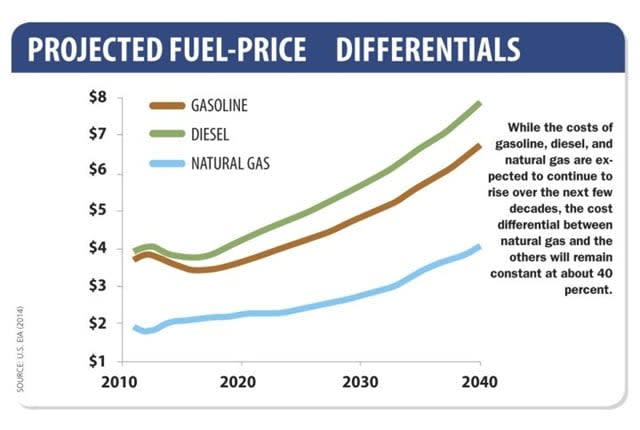
Perhaps most important for fleets, natural gas is also an economical alternative to gasoline and other transportation fuels, offering fuel-cost savings of up to 40 percent or more. Natural gas prices are typically more stable than other fuels, since virtually all U.S. natural gas supplies come from North American reserves, which are insulated from international market dynamics.
By contrast, petroleum is a global commodity that is vulnerable to increasingly familiar price spikes caused by conflicts in the Middle East and other producing regions, as well as skyrocketing demand in major developing countries, such as China and India.
The commodity cost of natural gas is only about 20 percent of the total cost of CNG at the pump, so any increases in the commodity price would not have as large an increase at the pump. Since all the other cost components of CNG (transportation, taxes, and marketing) are relatively constant, this insulates fleets from the effects of any spikes in the price of the underlying commodity. Since the commodity cost is about 70 percent for gasoline/diesel, a sudden spike in oil prices would translate to a correspondingly larger increase at the pump.
Rob Minton is director of sales for VNG, which is a national fueling facility program for natural gas vehicles. He can be reached at rminton@vng.co.
More Fuel
Fuel Prices Surge in September | September Fuel Update
September brought major fuel price swings, including diesel crossing $6 a gallon. Here’s how gas and diesel prices changed throughout the month, and where they stood heading into October.
Read More →
Turning Fleet Payment Data into Executive Insights
Ramel Lindsay of U.S. Bank Voyager discusses how fleets can transform payment and transaction data into actionable intelligence to reduce costs, improve oversight, and support executive decision-making.
Read More →
Why the IRS Raised Its Mileage Rate in the Middle of 2026
Fuel-price volatility drove the rare increase to 76 cents per mile, the fifth midyear adjustment since 2000.
Read More →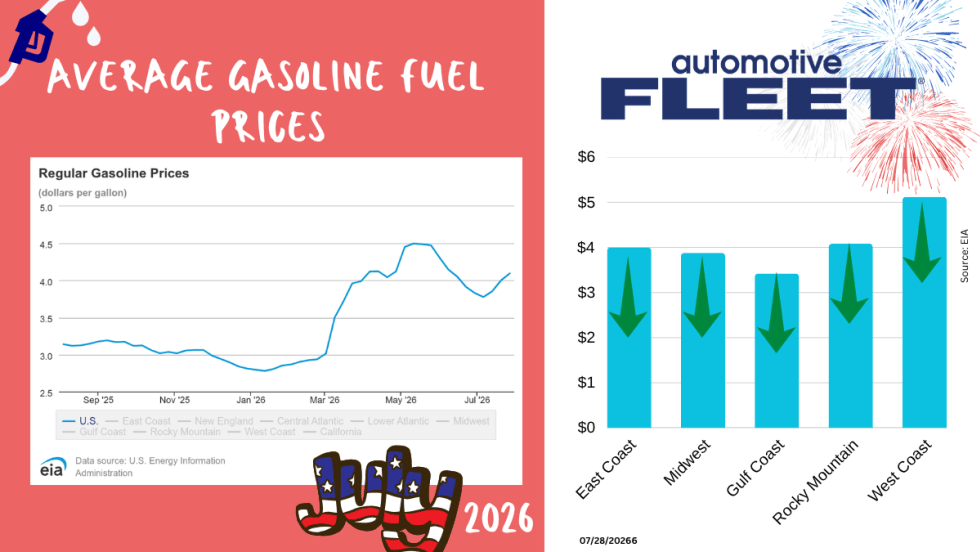
July Fuel Update: Prices Keep Rising in Light of More Conflict
Gas prices continue to rise as more and more conflicts do, too.
Read More →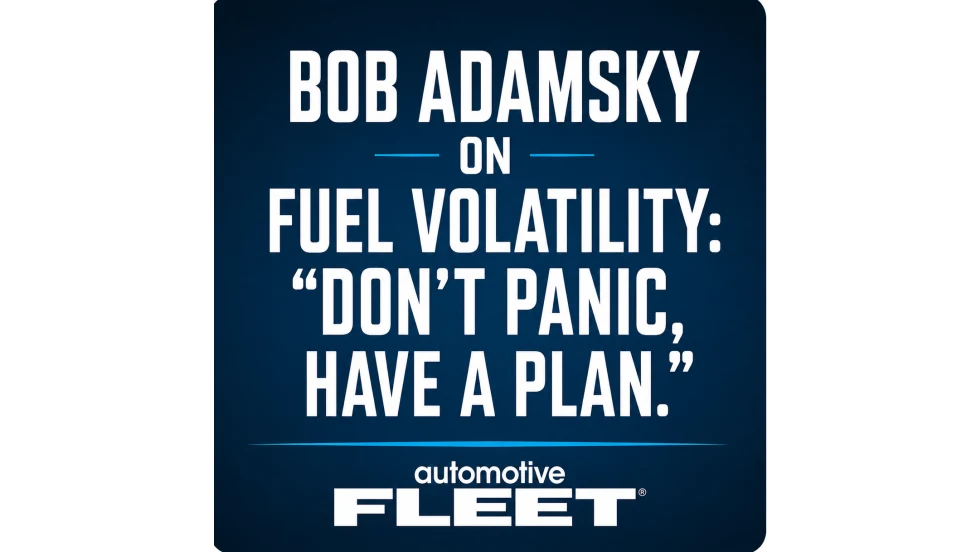
Bob Adamsky on Fuel Volatility: "Don't Panic, Have a Plan."
When it comes to up and down fuel prices, Adamsky has a message for fleets: “Don’t panic.”
Read More →
How Fleets Can Gain Control of Non-Fuel Spend
Fuel often gets the spotlight, but non-fuel expenses can have a major impact on fleet costs. Ramel Lindsay of U.S. Bank Voyager discusses how fleets can gain better visibility and control over these often-overlooked expenditures.
Read More →
Fuel is Just the Start: How Middle East Tensions are Driving Up Fleet Maintenance Costs
The Middle East conflict is doing more than pushing up fuel prices. It’s also raising the cost of key maintenance products your fleet depends on, from motor oil to tires to windshield wipers. Here’s what you need to know about this budget-busting situation.
Read More →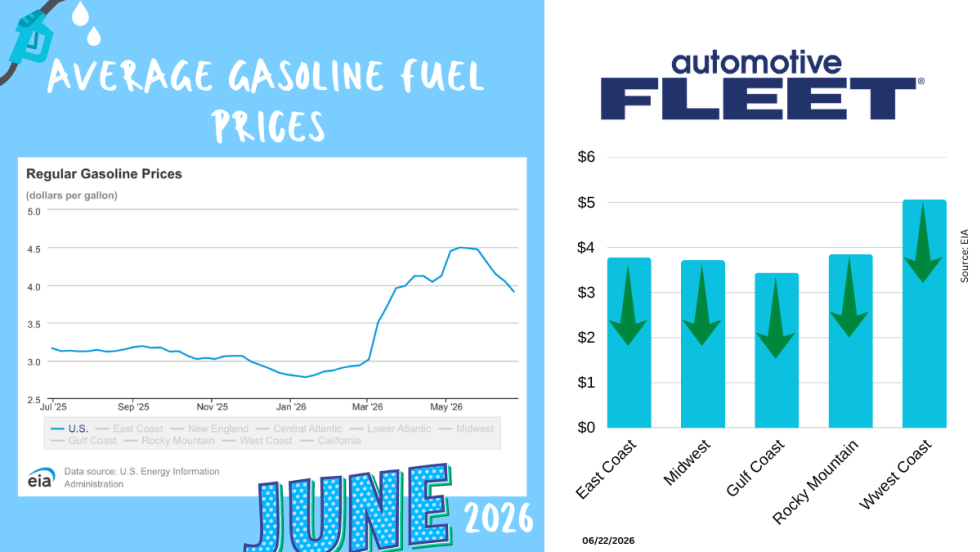
June Fuel Update: Prices Fall Below $4
Drivers are finally getting some relief at the pump. The national average gas price has dropped below $4 a gallon for the first time in months, with prices falling in 47 states as oil markets react to developments in U.S.-Iran negotiations.
Read More →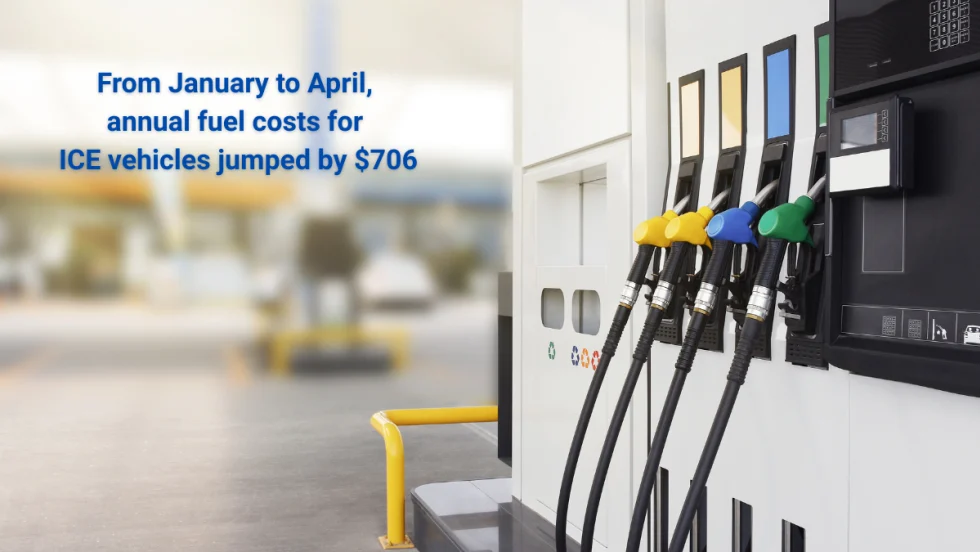
Study: How 2026's Gas Price Hikes Affect Different Vehicle Types
New data from iSeeCars reveals how rising fuel costs have affected different vehicle segments as gasoline prices climbed nearly 46% over the past four months.
Read More →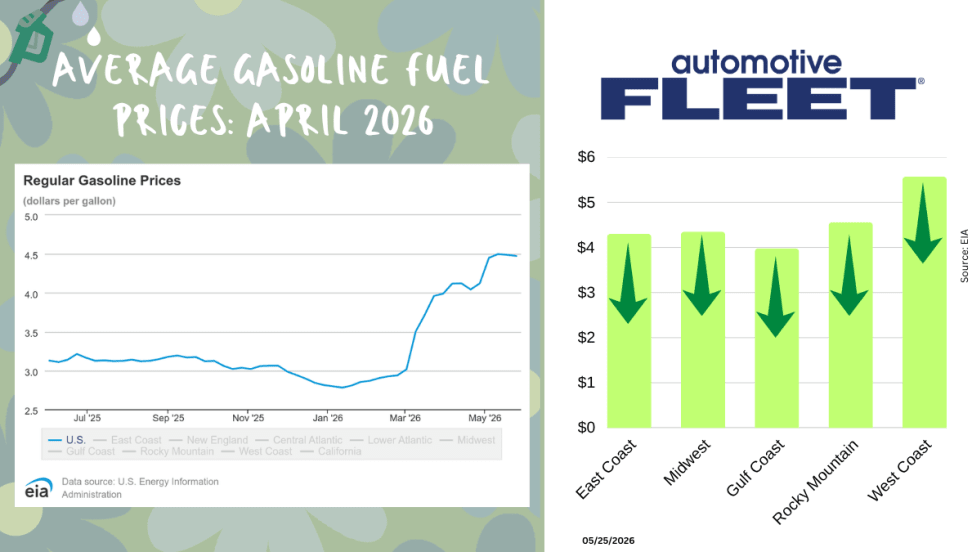
May Fuel Update: All Regions Experience Declines
Gas prices are finally easing in much of the country, but experts warn global tensions could quickly reverse the trend as the national average remains well above last month’s levels.
Read More →