




Indiana CNG Tax Break Earns Recognition
The Greater Indiana Clean Cities Coalition worked with a state representative to boost fleet incentives to use natural-gas vehicles.
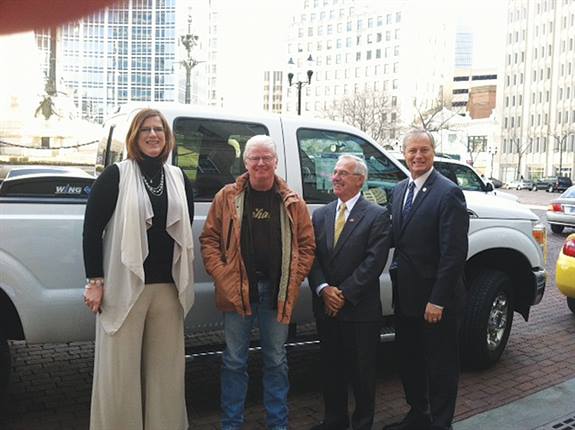
Greater Indiana Clean Cities Coalition Executive Director Kellie Walsh (left) and Indiana Rep. Randy Frye (far right) celebrate passage of legislation to support the use of alternative fuels.
Kellie Walsh was not very experienced in state politics, but, regardless of her newcomer status, found herself playing a key supporting role the past few years for an Indiana state representative eager to boost fleets’ alternative-fuel use. State Rep. Randy Frye contacted Walsh for background as he explored drafting a bill to help expand the use of alternative-fuel vehicles.
“It was exciting,” Walsh said. “It was the first time I was closely involved in the legislative process.”
Partnering with Elected Officials
Walsh has been the executive director for the Greater Indiana Clean Cities Coalition since 2002. In that time, she has assisted coalition stakeholders in securing more than $22 million in federal and state funds to implement alternative-fuel projects in both the public and private sectors. But, the political arena was a new realm entirely.
She met with Frye, and “we talked about the things we could do,” she recalled. As a result of their meetings, in 2013, Frye authored legislation to incentivize the use of natural gas as a motor vehicle fuel. Indiana House Bill 1324 provided an income tax credit for companies that add natural-gas-powered vehicles that have more than 33,000-pound GVWRs. In Frye’s bill, the credit is almost 50 percent of the incremental cost of a diesel versus a natural gas vehicle.
On the final day of the 2013 legislative session, as the clock was ticking toward midnight, the bill passed — almost unanimously. Frye called Walsh and thanked her. The law took effect on January 1, 2014.
Greater Indiana Clean Cities gave Frye a Stakeholder Award in February 2014, noting that, in 2013, public natural gas stations numbered seven across the state, and have doubled, now standing at 14. This number will double again by fall. As a result, fleets in the state will be well positioned to take advantage of existing infrastructure along with the vehicle tax credit.
“This legislation has been the icing on the cake,” Walsh said.
The Hoosier state had already begun embracing compressed natural gas (CNG) for its state vehicles, recording almost $180,000 in fuel savings since 2011. In the private sector, Walsh cited Monarch Beverage Co. of Indianapolis, which “jumped in with both feet” converting its fleet. In 2013, the company decided to replace 95 leased diesel vehicles in its truck fleet with CNG, using Cummins Westport ISL G and ISX12 G engines. Monarch also opened a private fueling station.
Boosted by such public and private initiatives, Walsh said she will continue “to knock on doors, educating new members. It helps raise our exposure in the state, when there are such successes as those within our coalition.”
Ernest Tucker is a representative of the National Renewable Energy Lab.
More Green Fleet

Merchants Fleet Reports 290M EV Miles as Fleets Navigate Changing Electrification Market
From millions in operating savings to hundreds of millions of EV miles, Merchants Fleet’s latest report reveals what’s working and what’s changing in fleet electrification.
Read More →
The EV Breakdown Nobody's Talking About: Why Most Electric Vehicle Roadside Calls Aren't Mechanical Failures
Here's why EV breakdowns are widely misunderstood.
Read More →
ChargePoint Now Available in Energy Pass
ChargePoint and additional planned charging network integrations were added to GM's Energy Pass.
Read More →
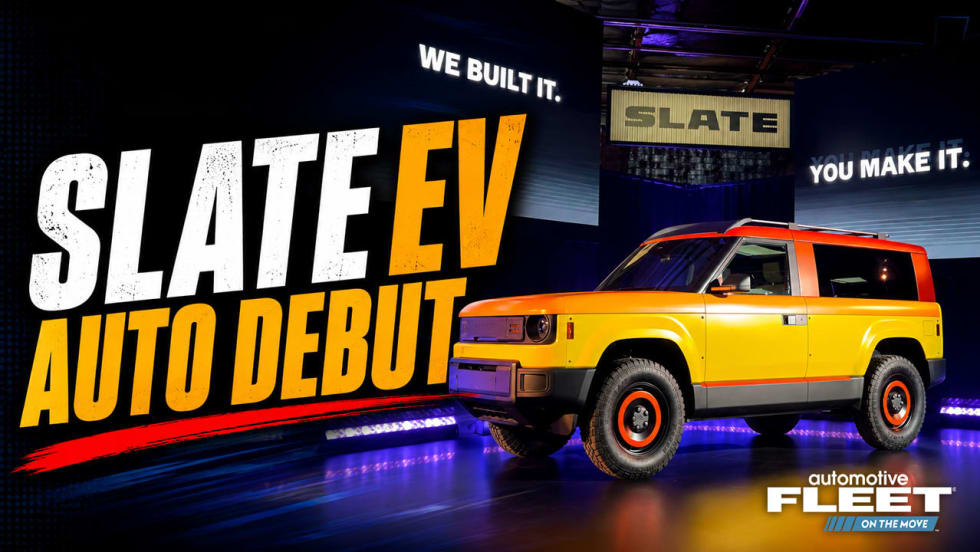
First Look: Slate Auto's Electric Fleet Pickup
Could an affordable, modular EV pickup make electrification more practical for fleets?
Read More →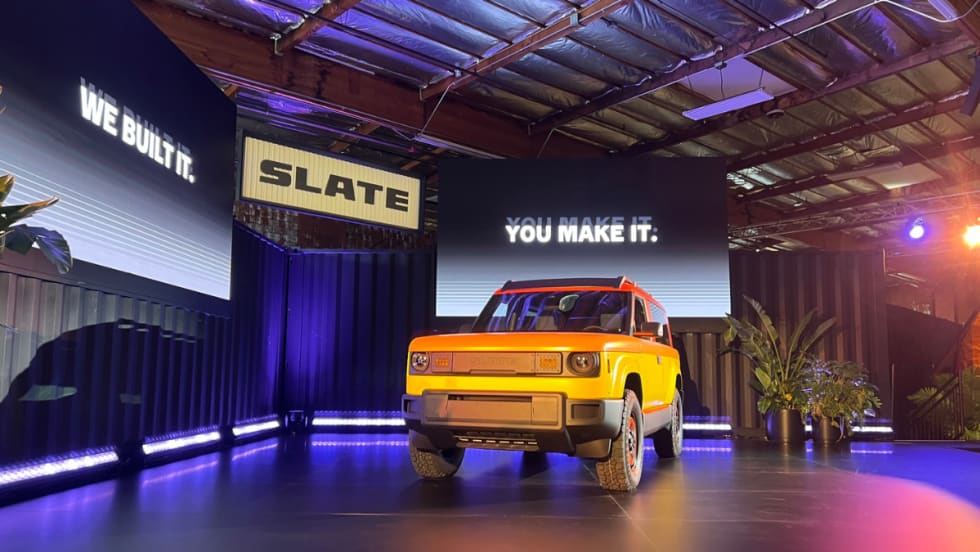
Slate Debuts Colorful, Unique EV Models
A recent media and client event, studded with electric vehicles dressed up on platforms, planted a new position for the manufacturer in the wider EV market. Fleets will find cost-saving advantages.
Read More →
Slate Electric SUV, Pickup Switchable Model Aims For Light-Duty Fleets
Everything about this EV is counterintuitive and understated, making it stand out from the crowd.
Read More →
Inspiration Mobility Acquires Key Electrada Assets
Inspiration Mobility Group has acquired select assets of Electrada, adding the fleet electrification provider's team, technology, and charging infrastructure development capabilities to its energy management business.
Read More →
Turning Connected Vehicle Data Into Decisions That Matter
Fleet leaders have more data than ever, but turning that data into clear, actionable decisions remains a challenge. This white paper shows how leading organizations are using connected vehicle data to improve safety, reduce costs, and optimize fleet performance. Learn how to turn insight into action across your fleet.
Read More →
Are You Tracking Your Fleet's True Total Cost of Ownership?
Bobit Business Media surveyed 190 fleet professionals and found that while most fleets are tracking costs, fragmented systems and data gaps are keeping true TCO visibility out of reach. With rising pressure to control spend in an increasingly volatile environment, the gap between what fleets think they know and what the data actually shows is wider than you might expect. See how your peers are managing costs today and where the industry still has room to improve.
Read More →