




Implementing Driver Engagement Programs That Really Work
The way your drivers operate your vehicles affects every aspect of your business, from how much fuel is used to the number of accidents that occur (or don’t). But many fleets are missing the opportunity to leverage drivers’ cooperation to improve the safety and efficiency of their fleet operation.
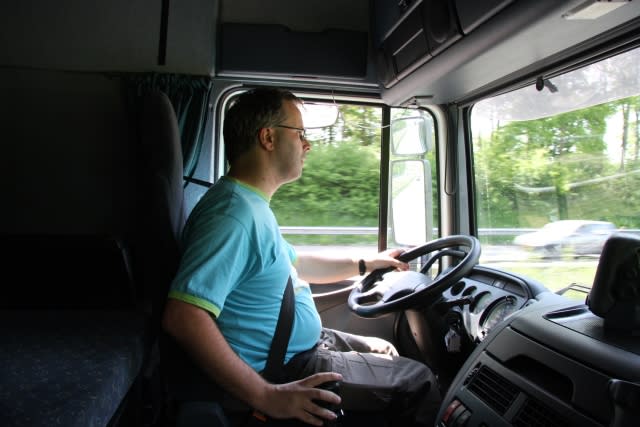
Photo courtesy of WikiCommons/Veronica538
For successful fleet operators, it’s no secret: engaged drivers means successful business. The way your drivers operate your vehicles affects every aspect of your business, from how much fuel is used to the number of accidents that occur (or don’t). But many fleets are missing the opportunity to leverage drivers’ cooperation to improve the safety and efficiency of their fleet operation.
All too often we’ve seen how drivers are expected to follow the rules, then reprimanded or penalized for breaking them – without any further intervention. There are several problems with this approach, one being that poorly performing drivers often don’t receive the proper feedback or coaching to tell them why they are underperforming, reducing the chance of any long-term success.
Having a fleet management system in place can help fleets monitor driver behavior, but should only be seen as one piece of the puzzle. Achieving tangible, long-term results requires more. It requires buy-in from drivers and for them to understand and support the fleet’s goals.
Most fleets will see resistance from pockets of drivers who don’t like the idea of being under a watchful eye. But in my experience, the majority of drivers want to do well and therefore respond favorably to engagement – an approach that can be strengthened by adding a reward component. Be it monetary, physical or public recognition, incentivizing drivers has been proven to build morale and motivate drivers to keep on improving.
Lead with a Carrot, Instead of a Stick
Some fleets are starting to pair their fleet management software with driver-facing smartphone apps that allow drivers to track their own progress and – for some healthy competition – compare stats with other drivers.
These apps offer:
A performance dashboard, with a high-level snapshot of the driver’s scores, ranking and related events.
Scorecards and ranking, typically featuring Red-Amber-Green (RAG) reports, including daily and weekly score analyses and trends over time. Drivers can also see how they rank compared to site and organization averages in aspects such as safety, efficiency and fuel consumption.
Driving events, such as speeding, harsh braking or crashes. Some apps even allow drivers to view events on a map.
Supervisor reporting and feedback.
We recently worked with a well-known tour and bus charter company that decided to introduce a driver engagement and incentive program. First, TV screens were placed in the drivers’ lounge, which showed everything from the location of each motor coach to harsh braking or excessive idling incidents.
Create an Incentive Program
Next, an incentive program was created. The aim of this program was to reward drivers for good behavior on the road and saving fuel. Giving drivers the ability to view their behavior and other data on TV screens made it is easy for them to monitor their own behavior.
On a monthly basis, managers provided driver reports identifying top performers and these individuals were then paid out cash bonuses. This helped motivate others who were not top scorers to improve their behavior in order to reap the benefits.
At the center of this driver engagement program was an app provided to both drivers and fleet managers, enabling them to see scores, rankings and relevant events on a performance dashboard.
The live review, incentive program, and user-friendly app helped drivers to experience first-hand how the data they generate helps the company improve performance and profitability while keeping them safe. Driver engagement and incentives programs are a great way for drivers to take ownership of the part they play in not only the success of the company but also their own success.
You’re only as strong as your weakest link. Giving drivers tools to improve can strengthen your fleet’s performance and company’s bottom line by reducing fuel consumption, crashes, insurance premiums and more.
About the Author
Pete Allen is the chief client officer for MiX Telematics.
Originally posted on Work Truck Online
More Global Fleet

GeoFencing Adds to Your Truck Security Arsenal
Geofencing is a familiar fleet tool today, but its early adoption marked a major shift in vehicle tracking, route monitoring, and the debate over employee privacy.
Read More →
Holman Takes Full Ownership of ARIZA in Mexico
Holman is bringing its Mexican fleet management operation fully under its own brand after more than 30 years as a joint venture. The change gives multinational fleet customers a single Holman operation across the U.S., Canada, and Mexico.
Read More →
5 Tire Maintenance Tips to Help Prevent Work Truck Downtime
Regular tire checks can do more than extend tread life. These five maintenance practices can help work truck fleets catch problems early, reduce costs, and prevent downtime.
Read More →

Proven Ways to Reduce Work Truck Downtime
The age-old problem of downtime will always be a reality, but with new strategies at hand, fleets have more ways to keep trucks on the road longer.
Read More →


Cameras, Safety and Insurance: From Reactive Claims to Real-Time Prevention (Part 2 of 2)
Part Two: Commercial auto remains one of the most challenging and costly lines of coverage for fleet operators and insurers alike. Continue learning more about how to effectively address these issues from Onur Aksan, Enterprise Business Development Executive, Geotab
Read More →
Cameras, Safety and Insurance: From Reactive Claims to Real-time Prevention
Commercial auto remains one of the most challenging and costly lines of coverage for fleet operators and insurers alike. Learn more about how to effectively address these issues from Onur Aksan, Enterprise Business Development Executive, Geotab.
Read More →
Fleet Costs Are Rising: Here’s How Leaders Are Responding
Fleet leaders are under pressure to reduce costs, adapt to economic uncertainty, and make smarter decisions. See how peers across North America are responding with real data, proven strategies, and forward-looking insights. Download the 2026 Market Pulse Report to benchmark your strategy and uncover where you can gain an edge.
Read More →
Enterprise Fleet Management Surpasses 900,000 Vehicles in U.S. & Canada
Enterprise Mobility connects with mobility solutions around the globe
Read More →