




Read More:How to Know if Your Drivers Need a CDL
Identifying Direct and Indirect Costs of Fleet Accidents
What’s the actual cost when it comes to fleet accidents at your company? It's probably higher than you think.
by John Kuder, Avatar Fleet
January 11, 2022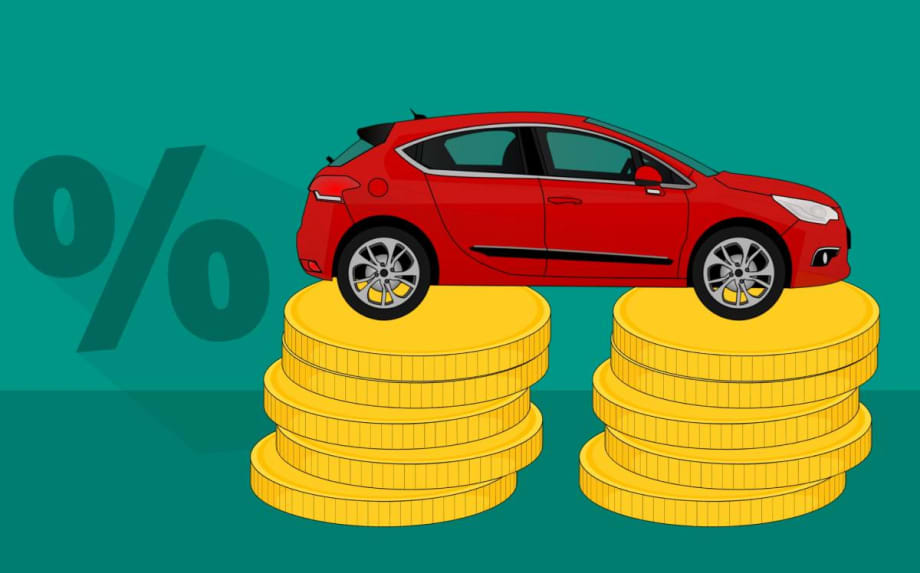
An average accident can cost a company between $16,000 and $75,000, and skyrockets if there was a fatality. With fleet drivers on the road more than the average person, it's imperative to be aware of all the associated costs.
Photo via pxfuel.com
3 min to read
Fleet accidents can be costly. If you put non-CDL drivers out on the road, you face the risk of emptying out your pockets. Even a small accident like a fender bender or clipped mirror can cost thousands of dollars.
The problem is, most companies don’t see it this way. That’s because there are both direct and indirect costs for fleet accidents. Let's explore both and how to reduce them.
What Does an Accident Cost You?
Your drivers face a high risk of causing or being involved in an accident.
Look at it this way: The average person drives about 15,000 miles every year. And, each year, they have a one in 15 chance of getting into an accident. Your drivers are on the road much more than the average person. That means their risk of a collision is higher. They could have a one in 10 chance of being involved in a collision or something even worse.
What’s more is these accidents are costing you.
One accident will cost your company anywhere from $16,000 to $75,000, even if it’s minor and no one’s hurt. That number skyrockets if there is a fatality involved. And guess what, you’re still paying even if it wasn’t your employee’s fault.
Direct and Indirect Costs of Accidents
The figures we shared may seem a bit high to you. It’s hard to imagine a minor accident costing you tens of thousands of dollars, especially if you aren’t fined. That’s because there are both direct and indirect costs to accidents.
Direct costs of accidents are what you pay immediately. Indirect costs are the ones that sneak up on you.
The Direct Cost of Fleet Accidents
Here are some common direct costs of fleet accidents. These are the obvious costs, but still, they add up quickly.
Vehicle repairs
Repairs to property damage
Fines resulting from your employees’ having a traffic violation
Legal representation
Court fines
OSHA fines
Insurance deductible and premiums
Workers’ compensation injuries not covered by insurance
These costs alone are enough to make a dent in your profit margins. However, the cost of loss doesn’t stop there.
The Indirect Cost of Fleet Accidents
You pay out of pocket when you have an accident. However, accidents are more damaging to your company than just the direct, upfront costs. The indirect costs of an accident spread like a spider web throughout your company.
Consider the following:
Increased insurance premiums and deductible
Administrative time spent by supervisors, safety personnel, and administrative employees dealing with the accident
Loss of time from the employee who was involved in the collision
Training a replacement driver if necessary
Lost productivity due to rescheduling
Damaged reputation and the ensuing loss of business
Depending on your business model, loss of business for not getting to a customer location
These costs are often ignored or unmeasured, but make no mistake about it — they’re present and they are impacting your business.
Accidents Are Preventable
The cost of fleet accidents can pile up and overwhelm you and your company. However, there’s good news in all of this. Accidents are preventable.
People have accidents when they take too much risk, when they drive unsafely, and when they don’t know proper defensive driving techniques.
We shared some statistics earlier about how your employees could have as much as a 1 in 10 chance of causing a collision. Those statistics go out the window if you invest in defensive driving training for your non-CDL or light-duty vehicle drivers.
It’s possible to reduce your accidents to zero.
About the Author: John Kuder is a senior instructional designer at Avatar Fleet, the creators of the non-CDL safety training course, The Fleet Safety Course.
Subscribe to Our Newsletter
More Safety

Sponsored•October 1, 2026
Fleet Manager’s Ultimate Playbook: Navigating the New Standard in OEM Connectivity
Rising operating costs, driver safety concerns, and unplanned downtime are putting unprecedented pressure on modern fleets. Discover how fleet managers use embedded OEM connectivity and real-time vehicle data to cut TCO, prevent downtime, and protect drivers without aftermarket telematics hardware.
Read More →
From Driver Well-Being to EV Charging | AF News Recap
Mental health belongs in the fleet safety conversation. This week, we’re looking at five ways fleets can support employee well-being before a crisis, plus Holman’s expansion in Mexico, new one-day Fleet Forward passes, and why EV charging demand is outpacing infrastructure growth.
Read More →
Nexar-Nauto Merger Aims to Give Fleets Better Safety Intelligence Through Larger Driving Dataset
Stefan Heck tells Automotive Fleet that combining more than 10 billion miles of driving history with Nexar's AI models will give fleets deeper insights into driver risk and roadway conditions than either company could provide independently.
Read More →
Don't Wait for a Crisis: 5 Ways to Build Mental Health Into Your Fleet Safety Program
For Suicide Prevention Month, fleet and safety leaders have an opportunity to put mental health where it belongs: at the center of workplace safety.
Read More →
How Camera Data Can Strengthen a Fleet’s Insurance Renewal
Insights from a commercial insurance carrier and a broker show how fleets can turn video telematic data, driver coaching, and improved claims results into a stronger case at insurance renewal.
Read More →
The Safest Fleets Aren’t the Ones with the Most Technology
You’ve made the telematics investment. Here’s how to capture the other half of its value and build the safest fleet on the road.
Read More →
Sponsored•August 7, 2026
Hidden in Plain Sight: Fleet Compliance Risks
Fleet compliance isn't just about having policies — it's about consistently enforcing them. This practical guide reveals six hidden compliance risks common in public sector and shared fleet operations and outlines proven strategies to improve visibility, accountability, and audit readiness
Read More →
NETS Sets 2026 Fleet Safety Benchmark Conference for Indianapolis
The Sept. 15–17 program will feature fleet benchmarking data, case studies, emerging technologies, and implementation strategies while running alongside the NSC Safety Congress & Expo.
Read More →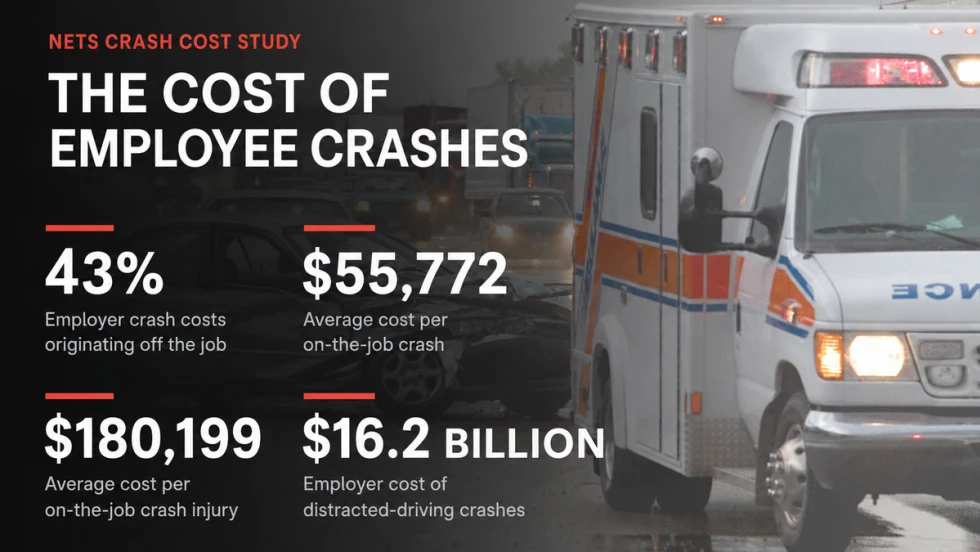
Off-the-Job Crashes Account for 43% of Employers’ $61.7 Billion Crash Burden
NETS quantifies costs dispersed across fleet, risk, HR, and other departments while providing new per-crash benchmarks for employers.
Read More →
Ram Recalls More Than 1.27 Million 1500 Pickups for Seat Belt Anchor Issue
The recall affects certain 2019-2026 Ram 1500 pickups that may have improperly attached second-row seat belt buckle anchors.
Read More →