




Hybrid Roi? The New Class
There are more hybrid models than ever before, but is the return on investment gap shrinking for fleets?

Since the advent of hybrids in America at the turn of the last decade, car buyers have been calculating the hybrid equation and asking the question: “Are they worth the premium?”
The answer is a constantly moving target, based on factors such as wildly fluctuating fuel prices, the introduction of cheaper hybrids and luxury ones, the expiration of government rebates and tax credits, and improvements in fuel economy in the internal combustion engine (ICE).
And, so Green Fleet magazine’s sister publication, Business Fleet, circled back with the lifecycle cost experts at Vincentric for an updated analysis to answer the question today.
Vincentric uses data specific to fleet, including capitalized costs that reflect a fleet acquisition price with fleet incentives.
Based on Vincentric’s November 2012 update, this analysis pulls data on 36 models (and 12 trim levels within those models) from the 2012 and 2013 model-years.
A look at a majority of those vehicles can be seen on the next page in the table, “2012-2013 Hybrid Vehicles vs. All-Gasoline Powered Counterparts.”
Data Averages
First, let’s look at the data in aggregate of hybrid models compared to their traditional ICE counterparts.
Understand that making an apples-to-apples comparison of hybrids to ICE models, and comparing the data historically, is not an exact science. Initial costs for hybrids are still substantially more than ICE models, on average $5,285 more. However, that figure is shrinking — in an analysis based on October 2011 data, the initial cost average differential was $8,494.
Looking at depreciation in this analysis, the average difference between hybrids and ICE models over five years is $4,308. Hybrids depreciate less quickly; hence, some of hybrids’ initial cost premium will be recouped upon resale.
When factoring in fuel economy, in this analysis hybrids save an average of $4,597 in five years over ICE models, further shrinking the overall cost differential. When factoring in total cost, however, hybrids still end up costing more than ICE vehicles — by an average of $1,582.
This gap is slightly more than the gap in the October 2011 analysis, noting, again, the many factors affecting this differential.
Eyeing the Models
Looking closely, a number of individual hybrid models beat their ICE siblings (or close cousins) in total-cost comparisons. That list includes the Toyota Avalon, Toyota Camry, Porsche Cayenne SUV, Porsche Panamera sedan, KIA Optima, Acura ILX sedan, Lincoln MKZ, Lexus HS 250h and ES 350 sedans, Lexus RX 450h, Mercedes-Benz S400 HV, and a few other models.
As in the previous analysis, the Lincoln MKZ hybrid has the best total cost differential of any hybrid in the group, a full $6,402 over its ICE counterpart. The big reason: Lincoln matched pricing for the ICE and hybrid version. The only other model with a lower initial cost than its close cousin is the Mercedes S400 HV.
The other hybrid models with better total costs all start with higher initial costs, but make up the difference in fuel savings and value retention.
Interestingly, two hybrids with no comparable ICE model — the 2012-MY Toyota Prius C Two and 2013-MY Honda Insight — rank first and second in lowest total costs of ownership of any vehicle in this survey. The gasoline-powered 2012-MY Toyota Yaris is third.
More Green Fleet

New Propane Autogas Program Offers Fleet Compensation
Qualified commercial fleets can receive $7,500 per eligible propane autogas vehicle and up to $10,000 for new refueling site prep. Learn how the program works and see whether your fleet qualifies.
Read More →
EV Charging Use Is Outpacing Infrastructure Growth
ChargePoint’s 2026 Charging Forward Report points to rising charger use, higher-powered charging, commercial vehicle electrification, and energy-management technology. Here’s what fleets should know.
Read More →
Merchants Fleet Reports 290M EV Miles as Fleets Navigate Changing Electrification Market
From millions in operating savings to hundreds of millions of EV miles, Merchants Fleet’s latest report reveals what’s working and what’s changing in fleet electrification.
Read More →
The EV Breakdown Nobody's Talking About: Why Most Electric Vehicle Roadside Calls Aren't Mechanical Failures
Here's why EV breakdowns are widely misunderstood.
Read More →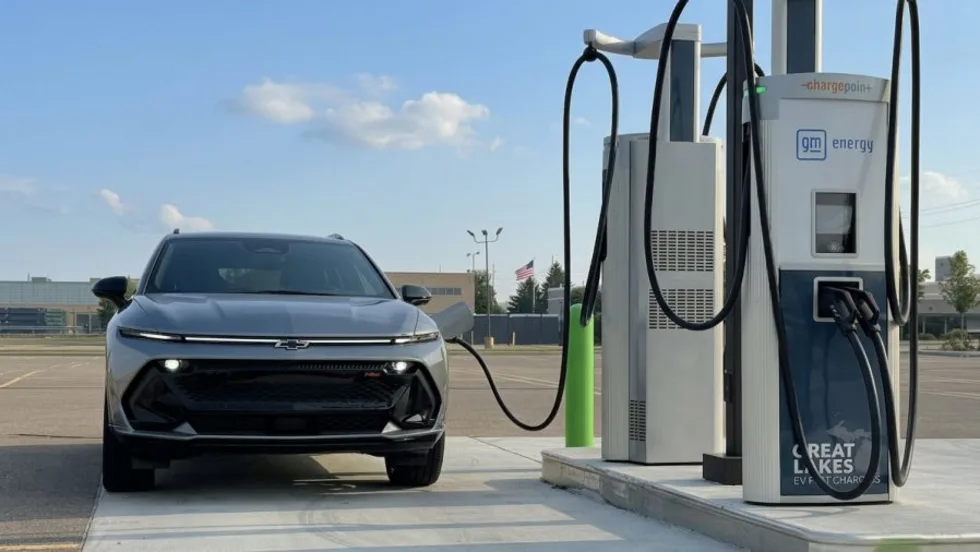
ChargePoint Now Available in Energy Pass
ChargePoint and additional planned charging network integrations were added to GM's Energy Pass.
Read More →

First Look: Slate Auto's Electric Fleet Pickup
Could an affordable, modular EV pickup make electrification more practical for fleets?
Read More →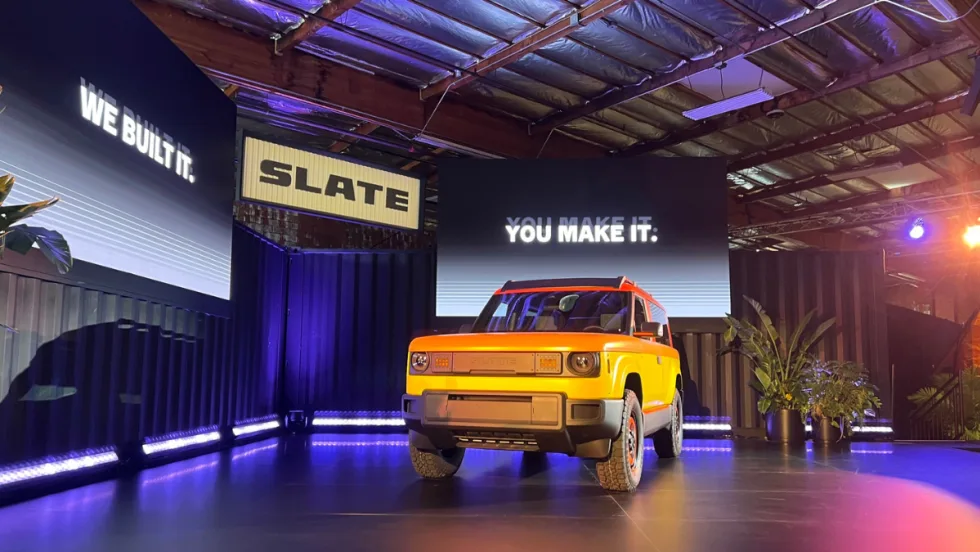
Slate Debuts Colorful, Unique EV Models
A recent media and client event, studded with electric vehicles dressed up on platforms, planted a new position for the manufacturer in the wider EV market. Fleets will find cost-saving advantages.
Read More →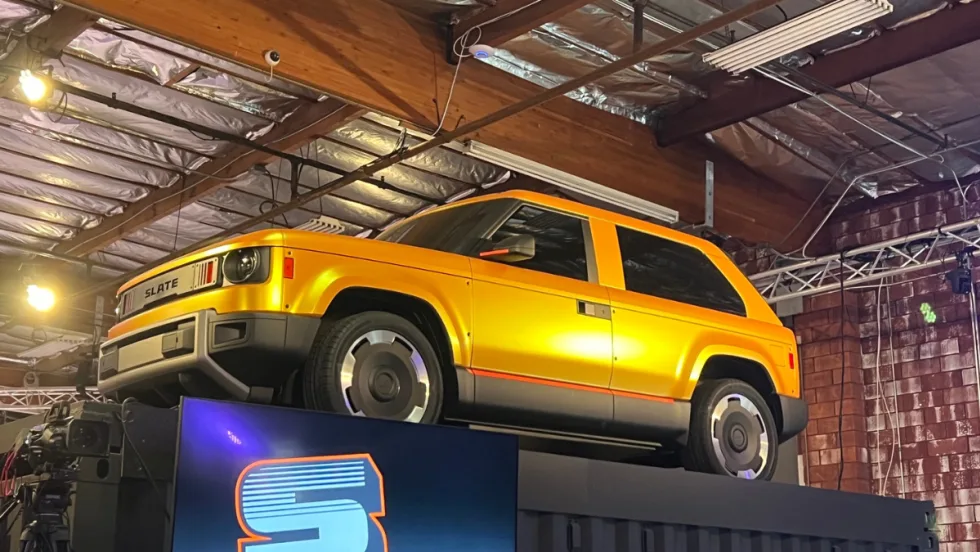
Slate Electric SUV, Pickup Switchable Model Aims For Light-Duty Fleets
Everything about this EV is counterintuitive and understated, making it stand out from the crowd.
Read More →
Inspiration Mobility Acquires Key Electrada Assets
Inspiration Mobility Group has acquired select assets of Electrada, adding the fleet electrification provider's team, technology, and charging infrastructure development capabilities to its energy management business.
Read More →