




How to Minimize Vehicle Abuse
A used company vehicle in poor condition, because of driver abuse or neglect will result in lost resale value. Fleets that have clearly articulated policies about vehicle upkeep and misuse receive a better quality product to remarket.

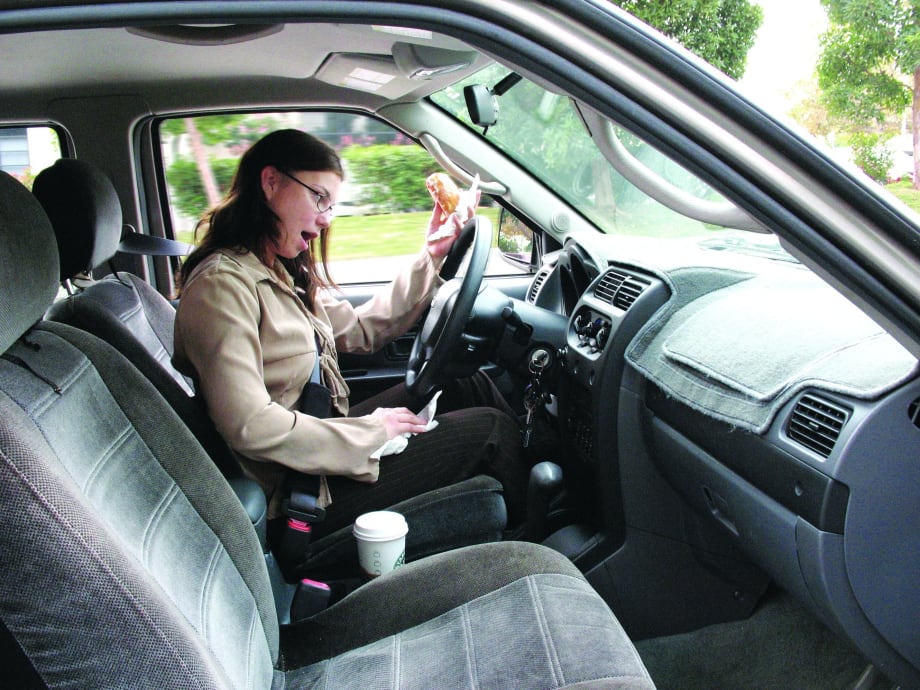
The resale value of a used vehicle is determined by three factors: the unit’s age, overall mileage, and vehicle condition. A used company vehicle in poor condition, because of driver abuse or neglect, will result in lost resale value or incur unnecessary reconditioning expense at auction. Just as egregious as vehicle abuse is vehicle neglect, such as not changing the motor oil, which results in engine damage. Another aspect of vehicle abuse occurs with drivers who smoke. Most companies have no-smoking policies while driving company vehicles; however, some furtive smokers are notorious about ignoring this prohibition. When taken to auction, a smoker’s car, on average, results in a deduct of several hundred dollars on resale, because of the pervasive tobacco odor and, invariably, cigarette-burned upholstery.
These abusive employees have little regard for the company asset and often use the interior of their vehicle as a convenient garbage can. While a vehicle is in company service, a littered interior, such as this, can represent a potential safety and liability hazard if a driver’s foot movement for braking and accelerating is impaired by a bottle or soda can rolling on the floorboard. This can, and does happen.
Fleets that have clearly articulated policies to employees about vehicle upkeep and misuse receive a better quality product to take to auction. This isn’t anything new; most companies already have prohibitions about vehicle misuse in their written fleet policies.
The problem (and this isn’t new either) is that the majority of companies do not enforce these policies, except in the most egregious circumstances.
Asking drivers to take better care of their vehicles is usually sufficient for the overwhelming majority of drivers. However, there are other employees who simply pay lip service to the policy, especially when they know that there are no consequences from doing otherwise. Even with written policies in place, managers are sometimes reluctant to penalize abusive drivers, especially in situations that involve executives or top sales performers. Another problem is that, although these policies are “on the books,” they have not been adequately communicated to new-hires or employees assigned a company vehicle for the first time. Plus, there is a great amount of gray area since there is no industry consensus delineating the borderline between normal wear-and-tear and abuse. All of us recognize blatant abuse, but is a torn seat or scrapped bumper abuse or normal wear-and-tear?
Communicating Fleet Policy
As the fleet manager, you need to communicate these policies to employee drivers. Communication does not mean simply having an employee sign a statement acknowledging the receipt and reading of the fleet policy. It involves a campaign of ongoing communication.
One way to deter abuse is through regular vehicle inspections. One fleet requires mandatory quarterly checks of its vehicles — twice by the driver, who submits a vehicle condition report, and twice while accompanied by his or her manager. Every driver should know the rules governing the use of a company vehicle. Not only should they be aware of these rules, but they must also understand what actions will be taken for non-compliance.
Some companies charge the driver responsible for vehicle damage; however, as a word of caution, some states deem such payroll deductions as illegal. Other fleets assess financial liability to the operating department instead.
Another form of penalty is to restrict driving privileges, such as losing personal-use of the company-provided vehicle. Penalties are an effective deterrent to vehicle abuse and/or neglect if they are vigorously enforced. While companies differ on what constitutes abuse and how to handle negligent drivers, they agree on one thing — a written policy, which clearly defines abuse, its penalties, which are vigorously enforced, is the best way to minimize it.
More Remarketing

Ford Pro Launches Certified Pre-Owned Program for Commercial Vehicles
Ford Pro Advantage will offer certified pre-owned Class 1-7 commercial vehicles through more than 700 Ford Pro Commercial Vehicle Centers.
Read More →
Copart to Acquire ACV in $1.9 Billion Deal
The acquisition would expand Copart beyond its traditional salvage business into dealer-to-dealer wholesale remarketing while adding ACV’s vehicle data, inspection, and valuation technology.
Read More →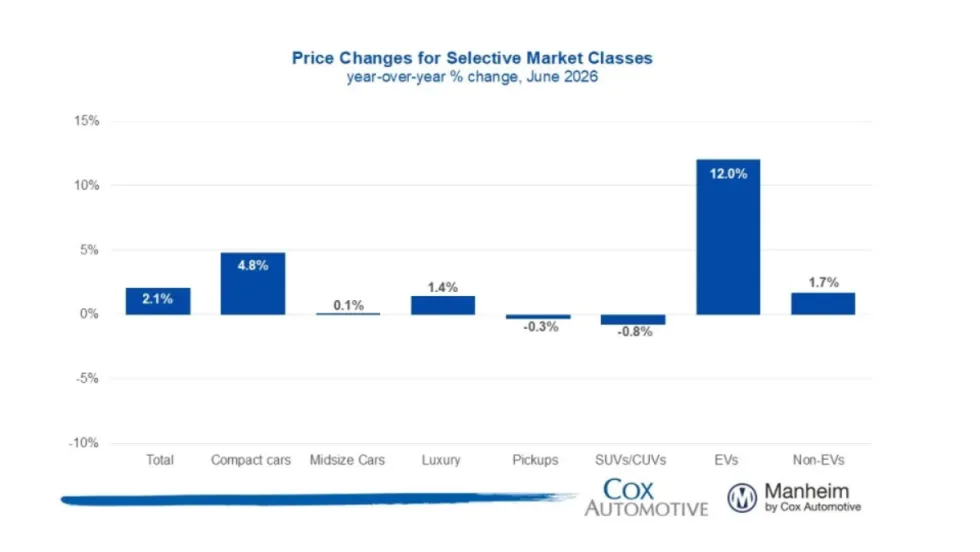
Manheim Index Shows Used-Vehicle Wholesale Prices Up 2.1% in June
The market is seeing stronger appreciation in older used vehicles this year, and the most affordable segments have been among the year’s best performers.
Read More →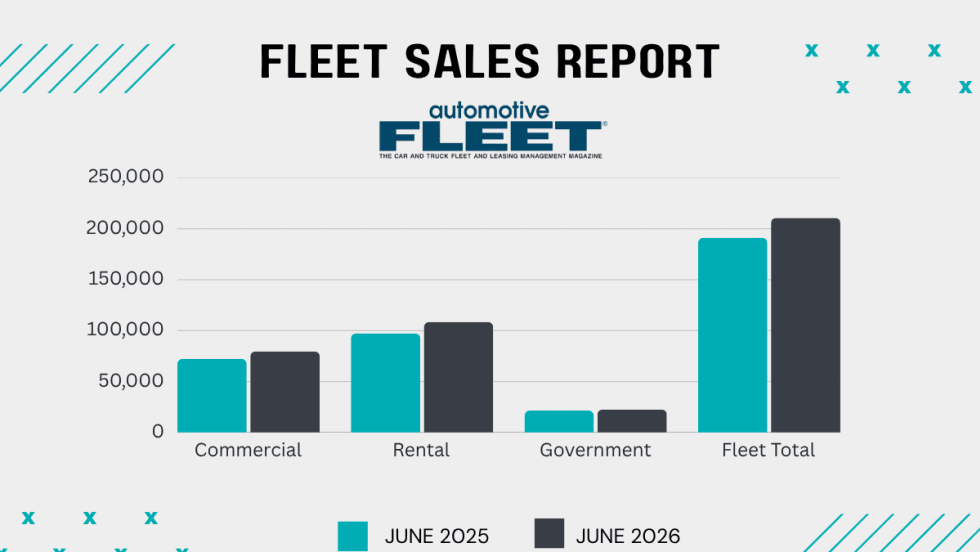
Commercial Fleet Sales Contribute To June, YTD Gains
The fleet sector has boosted its vehicle purchases at a reliable pace in the first half of this year compared with 1H 2025.
Read More →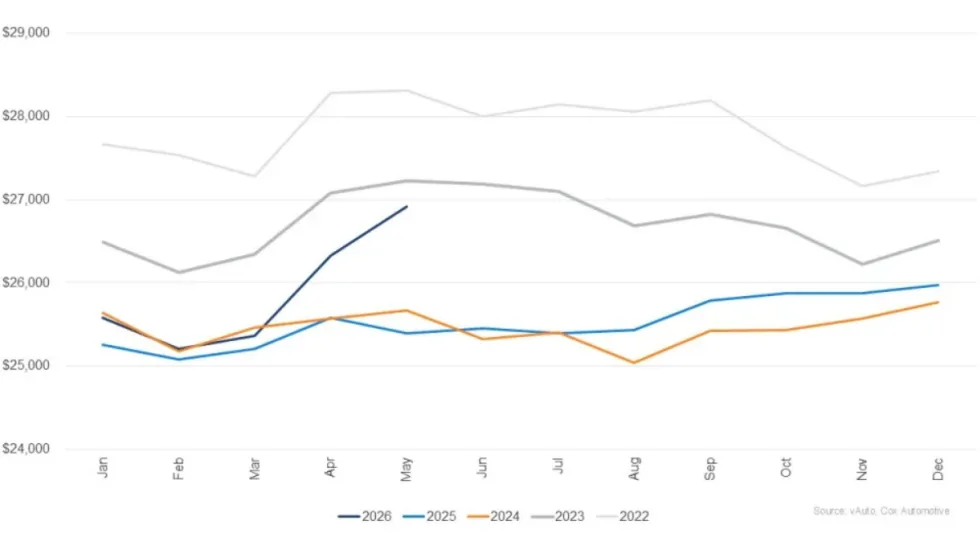
Used Vehicle Prices Climb Higher As Sales Pace Slows
The higher prices at used retail reflect strong wholesale values earlier in the spring, particularly for older, more affordable vehicles.
Read More →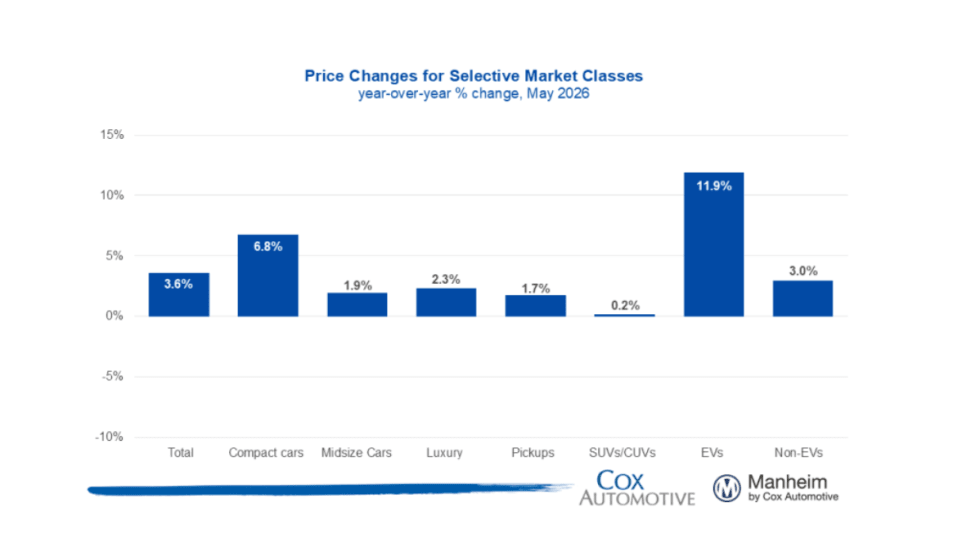
Wholesale Used Vehicle Market Sustains Moderate Rise In Values, Prices
Trends continue to normalize after a strong start to the year, as consumers contend with higher gas prices in the coming summer months.
Read More →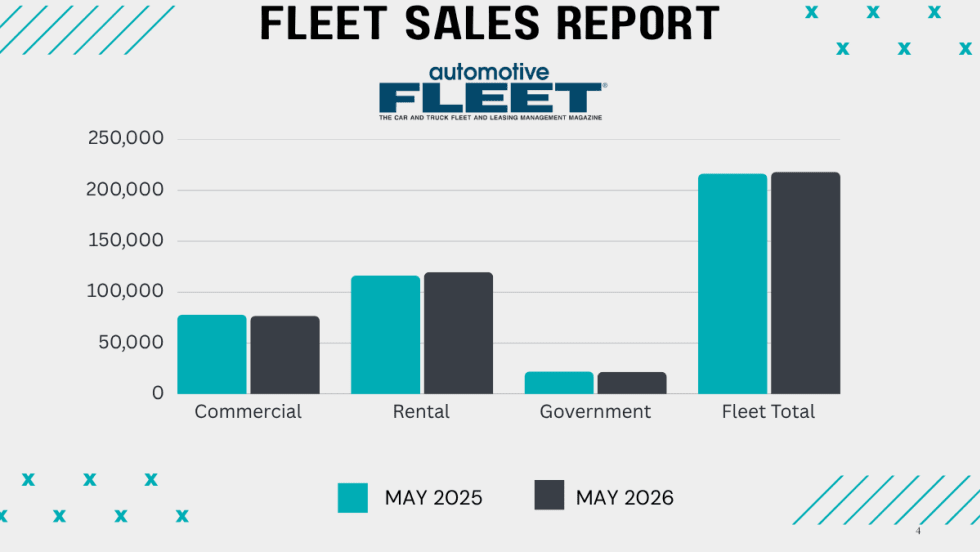
Commercial Fleet Sales Still Lead Sectors Despite May Mini Dip
The U.S. economy's continued growth and positive business investment are creating a favorable environment for fleet vehicle demand.
Read More →
How Connected Vehicle Data Is Lifting Fleet Resale Values
A vehicle health score could improve the value of fleet vehicles at remarketing. The path to a universal standard is forming, and fleets that understand the process early will be better positioned when it arrives.
Read More →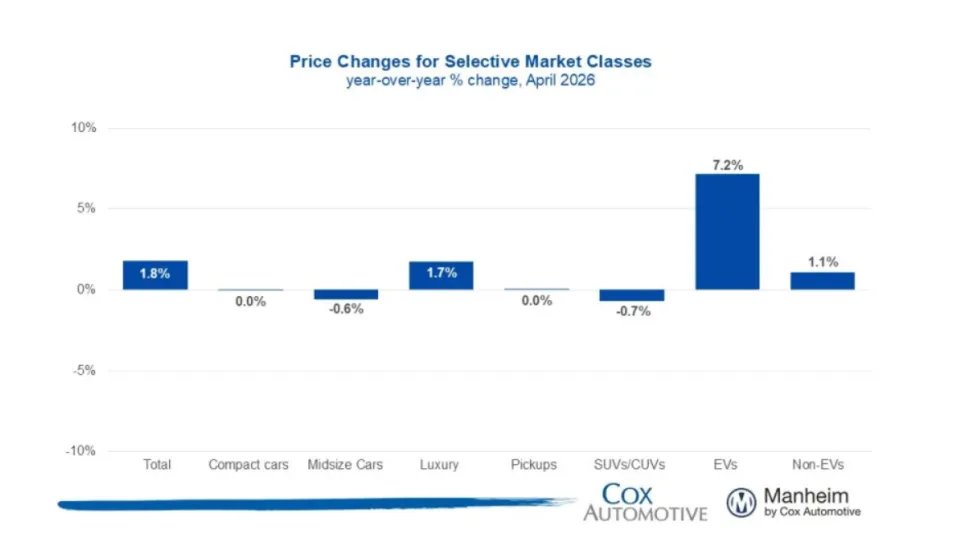
Wholesale Used Vehicle Prices Slightly Up In April
The Iranian conflict and rising gas prices inject much uncertainty into the future wholesale used vehicle markets, as higher gas prices soak up spendable income from vehicle buyers.
Read More →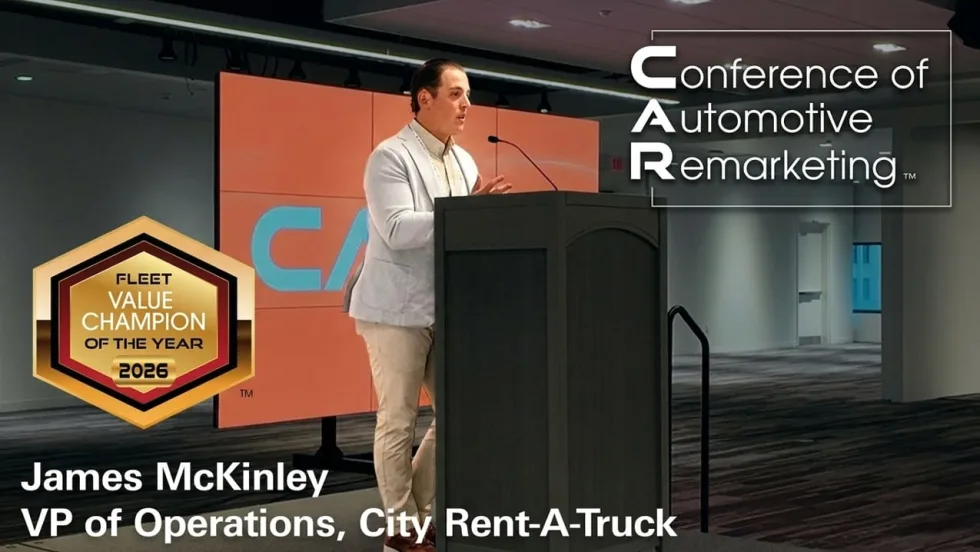
CAR2026: James McKinley Wins Value Champion of the Year
James McKinley of City Rent a Truck was named the inaugural Fleet Value Champion at the CAR Conference for his data-driven approach to fleet lifecycle management and vehicle remarketing.
Read More →