




How to Drive Safely When Rain Reduces Visibility
Rain can sharply reduce visibility and reaction time. Here’s how drivers can improve wet-weather vision and stay safer on the road.

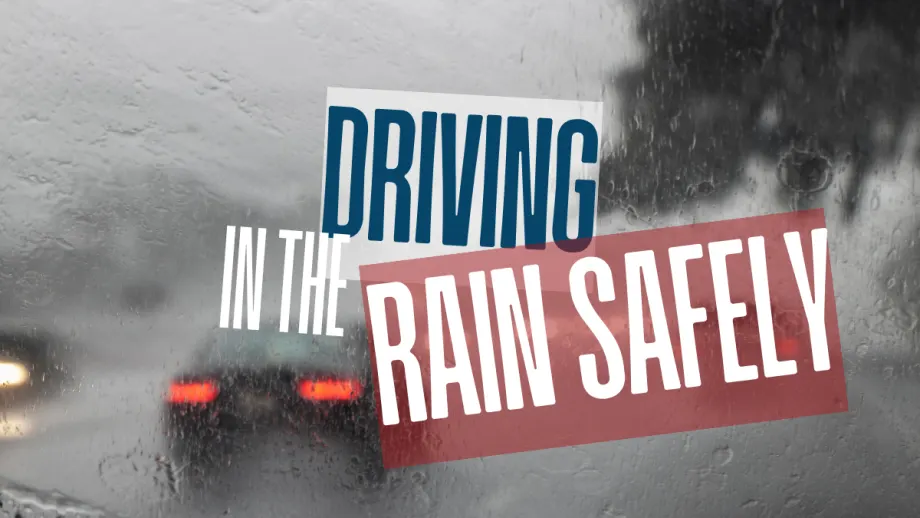
Rain reduces visibility and reaction time, making it harder to spot hazards ahead. Slowing down and using proper lighting can help drivers stay safe.
Credit: Automotive Fleet
Rain creates a long list of driving hazards, but one of the biggest is reduced visibility. Standing water, flooding, hydroplaning, and longer stopping distances all matter, but when you cannot see clearly, every one of those risks becomes more dangerous.
So why does rain make it so hard to see, and what can drivers do about it?
Rain Changes What Drivers Can See
Raindrops scatter light, which makes everything appear darker and less distinct. And because rainy weather usually comes with darker skies, visibility drops even more.
This lower light makes it harder to spot contrast between objects, such as the roadway and a gray vehicle or a pedestrian in dark clothing.
Rain can also affect depth perception. In low-visibility conditions, objects may appear farther away than they really are. That can make it harder for drivers to judge distance and react in time.
Poor visibility also tends to narrow a driver’s focus. Instead of watching farther down the road, drivers may unconsciously focus on objects much closer to them, including the dashboard or the area directly in front of the vehicle. That reduces awareness of vehicles, pedestrians, or other hazards approaching from the side or farther ahead.
One Helpful Clue on a Wet Road
There is one small advantage in rainy conditions. On a wet roadway, you may be able to see the reflection of brake lights from vehicles farther ahead, even under the car directly in front of you.
That can give you a little extra warning when traffic begins to slow. And if you cannot see those reflections at all, you may be following too closely.
Keep Your Windshield Clean:
A dirty windshield makes rain visibility even worse. Smudges and grime scatter light before it even reaches your eyes.
Make sure your windshield is clean inside and out, and replace wiper blades when they begin to streak or miss spots.
Use Your Headlights
Daytime running lights do not always provide enough forward illumination in rainy weather. Turn on your headlights so you can see farther ahead and make your vehicle more visible to others.
In many places, headlights are also required by law whenever windshield wipers are in use.
Skip the High Beams
High beams can make visibility worse in the rain. Instead of helping you see farther, they reflect more light back toward your eyes, making it harder to see the road.
Hazard lights are also not meant for normal slow driving in the rain. Use them only if your vehicle is stopped or disabled on the side of the road.
Slow Down
The best adjustment in rainy weather is often the simplest one. Reduce your speed.
Driving a little slower gives you more time to react, helps you avoid hard braking, and lowers the risk of skidding or hydroplaning.
If the rain becomes so heavy that your wipers cannot keep up, pull off the road to a safe location and wait for conditions to improve.
The Bottom Line
Rain affects more than traction. It changes how drivers see the road, judge distance, and react to hazards.
A clean windshield, working wipers, proper lighting, and a slower speed can all help drivers stay safer when visibility drops.
More Safety

From Driver Well-Being to EV Charging | AF News Recap
Mental health belongs in the fleet safety conversation. This week, we’re looking at five ways fleets can support employee well-being before a crisis, plus Holman’s expansion in Mexico, new one-day Fleet Forward passes, and why EV charging demand is outpacing infrastructure growth.
Read More →
Nexar-Nauto Merger Aims to Give Fleets Better Safety Intelligence Through Larger Driving Dataset
Stefan Heck tells Automotive Fleet that combining more than 10 billion miles of driving history with Nexar's AI models will give fleets deeper insights into driver risk and roadway conditions than either company could provide independently.
Read More →
Don't Wait for a Crisis: 5 Ways to Build Mental Health Into Your Fleet Safety Program
For Suicide Prevention Month, fleet and safety leaders have an opportunity to put mental health where it belongs: at the center of workplace safety.
Read More →
How Camera Data Can Strengthen a Fleet’s Insurance Renewal
Insights from a commercial insurance carrier and a broker show how fleets can turn video telematic data, driver coaching, and improved claims results into a stronger case at insurance renewal.
Read More →
The Safest Fleets Aren’t the Ones with the Most Technology
You’ve made the telematics investment. Here’s how to capture the other half of its value and build the safest fleet on the road.
Read More →
Hidden in Plain Sight: Fleet Compliance Risks
Fleet compliance isn't just about having policies — it's about consistently enforcing them. This practical guide reveals six hidden compliance risks common in public sector and shared fleet operations and outlines proven strategies to improve visibility, accountability, and audit readiness
Read More →
NETS Sets 2026 Fleet Safety Benchmark Conference for Indianapolis
The Sept. 15–17 program will feature fleet benchmarking data, case studies, emerging technologies, and implementation strategies while running alongside the NSC Safety Congress & Expo.
Read More →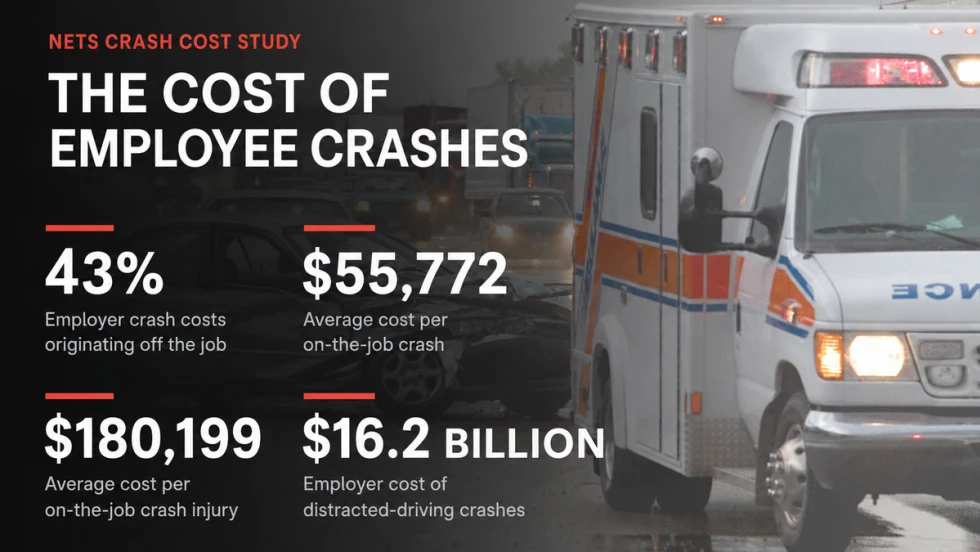
Off-the-Job Crashes Account for 43% of Employers’ $61.7 Billion Crash Burden
NETS quantifies costs dispersed across fleet, risk, HR, and other departments while providing new per-crash benchmarks for employers.
Read More →
Ram Recalls More Than 1.27 Million 1500 Pickups for Seat Belt Anchor Issue
The recall affects certain 2019-2026 Ram 1500 pickups that may have improperly attached second-row seat belt buckle anchors.
Read More →
How Better Visibility Cut Speeding Violations by 48%
Fleet leaders don't need more data, they need clearer visibility into what the data is saying. This case study explores how one utility replaced speeding-event counts with a single metric — miles driven in violation — to strengthen safety and significantly reduce speeding violations.
Read More →