





Related: Forecast of Fuel Prices in 2021
How the Pandemic Disrupted PM Compliance
Preventive maintenance (PM) expenses in CY-2020 were lower compared to 2019, primarily due to the pandemic-induced economic shutdown resulting in fewer miles driven as many fleet vehicles were idled.
November 5, 2020
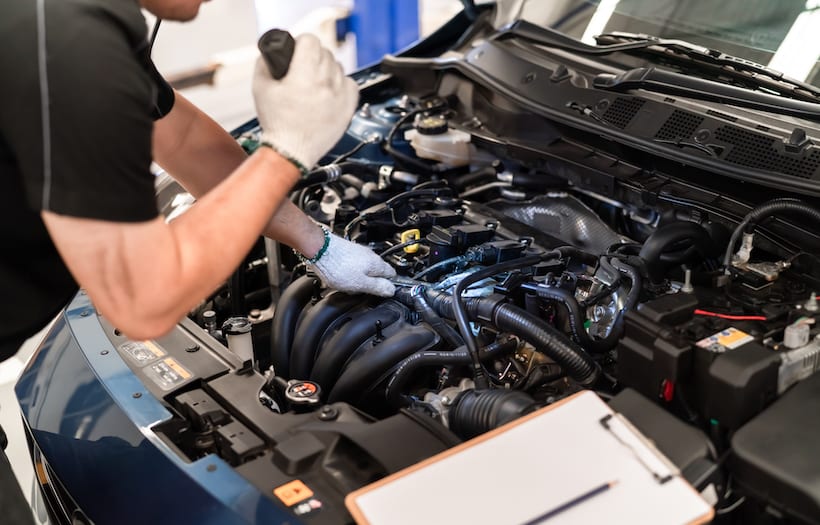
Photo by Potential Filmmaker
3 min to read
Preventive maintenance (PM) expenses in CY-2020 were lower compared to 2019, primarily due to the pandemic-induced economic shutdown resulting in fewer miles driven as many fleet vehicles were idled.

Foster
[EMPTY CREDIT]
On the flip side, companies that were deemed essential businesses saw a dramatic uptick in business activity.
“While some organizations had fleet vehicles sit idle for extended periods, other companies experienced a dramatic uptick in business volume. Each scenario influences PM strategies and there are several factors that need to be considered to both control costs and keep vehicles in top operating conditions, which requires adjusting PM schedules accordingly,” said Chris Foster, manager, truck & equipment maintenance for ARI.
Reduced fleet utilization was the key factor impacting PM costs in 2020.

Albright
[EMPTY CREDIT]
“Without question, the most significant impact affecting PM costs was the widespread reduction of vehicle utilization resulting from COVID. With employees in countless industries shifting from a commuting workforce to a remote workforce, overall repair costs dropped for a multitude of fleets across most sectors,” said George Albright, director, fleet maintenance for Merchants Fleet. “However, average per repair costs increased, which can be attributed to several factors, including labor rate increases, increased utilization of mobile repair services, and COVID-related cleaning.”
The disruptions caused by the pandemic puts upward pressure on fleet PM expenses.
“PM costs per service should continue to increase, as OEMs manage through supply-chain disruptions associated with pandemic volatility. Continued labor shortages will impact multiple areas of the repair industry, as national labor statistics reflect an increase on average hours worked,” said Albright.
Other fleet subject-matter experts likewise agreed that most of the fleet-related PM disruptions that occurred in 2020 were pandemic related.

[EMPTY CREDIT]
“Donlen saw PM compliance fall as fleet vehicles were grounded,” said John Wuich, VP of strategic consulting services for Donlen. A key factor causing this was the decrease in overall miles driven, which has an impact since PM intervals are typically based on a mileage and time.
“The ongoing pandemic has impacted virtually every aspect of our industry and that certainly includes PM practices. With most PM strategies built on a foundation of miles driven and/or time intervals, these important milestones have been significantly altered for most fleet operators,” said Foster of ARI.

Christensen
[EMPTY CREDIT]
Many fleets modified oil drain intervals to correspond to the longer OEM-recommended intervals.
“There were a number of companies that modified PM intervals to more closely align with what the recommended interval was from the OEM. In most cases, this change resulted in an increased oil change interval, which reduced overall oil change costs,” said Chad Christensen, strategic consultant at Element Fleet Management. “This has included doing additional PM services such as transmission services. Some companies are considering retaining units that had a reduced driving rate in 2020.”

Hernandez
[EMPTY CREDIT]
During the pandemic, many fleets started to schedule PM intervals solely on the basis of miles driven.
“During the shutdown from March to August, we have seen a decrease in miles driven. In working with our customers, they do not want vehicles serviced based on mileage and time. Where most clients wanted services every six months or the mileage interval they had in place, now they are strictly looking at mileage intervals and once a year,” said Tony Hernandez, team lead, truck maintenance for Emkay. “Most vehicles have gone from 6-8 oil changes on average per year to only one or two.”
Subscribe to Our Newsletter
More Maintenance

Sponsored•October 1, 2026
Fleet Manager’s Ultimate Playbook: Navigating the New Standard in OEM Connectivity
Rising operating costs, driver safety concerns, and unplanned downtime are putting unprecedented pressure on modern fleets. Discover how fleet managers use embedded OEM connectivity and real-time vehicle data to cut TCO, prevent downtime, and protect drivers without aftermarket telematics hardware.
Read More →
How Can Fleet Managers Tell Which Repairs Require Closer Review?
Fleetio’s Brianna Perry demonstrates how Service Advisor evaluates maintenance requests, identifies pricing anomalies, and provides the context fleet managers need to focus their attention on potential problems.
Read More →
Why Roadside Assistance Belongs in a Fleet Risk Strategy
Roadside assistance is more than a tow. See how the right partner can protect drivers, uncover fleet trends, and strengthen your risk strategy.
Read More →
Sponsored•August 7, 2026
Hidden in Plain Sight: Fleet Compliance Risks
Fleet compliance isn't just about having policies — it's about consistently enforcing them. This practical guide reveals six hidden compliance risks common in public sector and shared fleet operations and outlines proven strategies to improve visibility, accountability, and audit readiness
Read More →
How Maintenance Costs Compare Across 27 Fleet Vehicles
Vincentric’s three-year, 60,000-mile projections reveal wide differences for both scheduled and unscheduled maintenance among selected vehicle categories. Projected maintenance visits also play a factor.
Read More →
The EV Breakdown Nobody's Talking About: Why Most Electric Vehicle Roadside Calls Aren't Mechanical Failures
Here's why EV breakdowns are widely misunderstood.
Read More →
How Stellantis Plans to Get Ahead of Fleet Downtime
Keeping fleet vehicles on the road has become as important as buying them. Darren Bradshaw of Mopar North America explains how connected vehicle data, AI, and proactive service strategies are helping Stellantis reduce downtime and move closer to predictive maintenance.
Read More →
Merchants Fleet Expands Maintenance Network with Pep Boys
Merchants Fleet has expanded its relationship with Pep Boys, increasing the service provider's role within its national maintenance network. The move is intended to enhance maintenance coordination and support commercial fleets through Pep Boys' nationwide footprint.
Read More →
The Two Biggest Summer Downtime Threats for Fleets
A conversation with a maintenance expert reveals the two most common summer maintenance pains and how to prevent them.
Read More →
From Marine Corps Motor Pool to Managing 460 Fleet Vehicles
Cesar Ayala of O’Connell Landscape Maintenance shares how he transitioned from the Marine Corps to managing a 460-vehicle fleet—and the real-world challenges of maintenance, compliance, and driver management in California.
Read More →