




About the Author: Carl Neuberger is a partner at Fleet 360, a global consultancy that helps fleet executives achieve measurable results through analytics, strategic guidance, and decision-making expertise. (Fleet3sixty.com)
How Fleets Are Applying Pandemic Lessons to Long-Term Strategy
Insights from the "Post Pandemic Fleet" roundtable at Fleet Forward Conference reveal how industry leaders are adapting to ongoing change.
by Carl Neuberger
January 19, 2026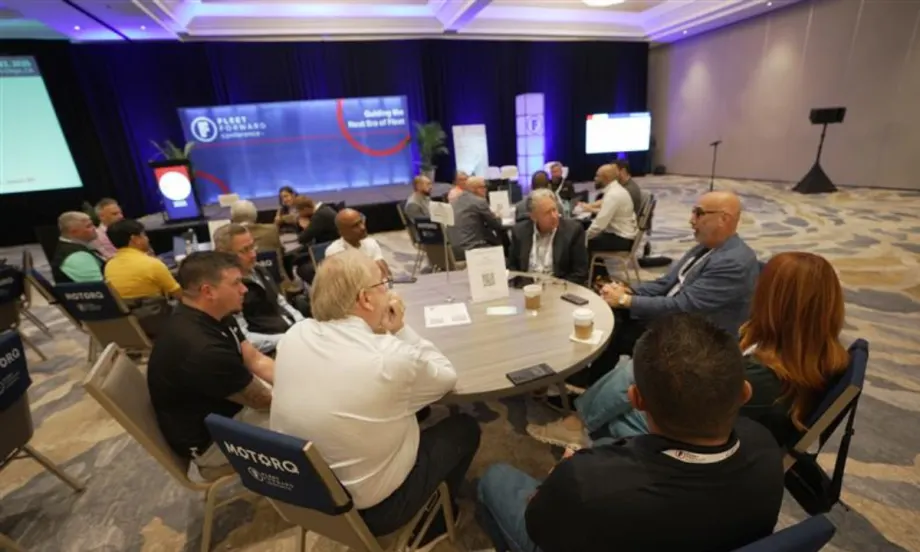
How are fleet leaders adjusting to an industry that's rarely consistent? A Fleet Forward roundtable discussion outlined practical post-pandemic strategies for adapting to change.
Photo: Jonathan Robbins
3 min to read
Two months after the Fleet Forward Conference in San Diego last October, I’m still mulling over how the insights from those three days can inform fleet strategy. Here are my thoughts:
The event brought together industry leaders, innovators, and fleet professionals for insight and forward-looking discussions. The event was marked by a spirited atmosphere and outstanding speakers, creating an ideal environment for learning and productive dialogue.
As part of the program's third and final day, a series of moderated roundtable sessions provided attendees with the opportunity to discuss key topics in smaller, more interactive settings. The scheduling proved especially effective, allowing participants to absorb information from the previous two days' sessions and then expand and share their insights with peers.
Moderating one of these discussions, titled "Post Pandemic-What did We Learn in Fleet?" offered a ground-level view of how companies continue to adjust five years after the COVID-19 crisis. The pandemic was widely described as a generational event, on par with the 2008 fiscal crisis, yet different in its lingering challenges.
Participants characterized it as a "stress test" that exposed the operational resilience of fleet organizations, rewarding those that were well-managed, data-driven, and adaptable, punishing those who were not. The pandemic exposed weaknesses in fleet operations but also highlighted strengths in well-managed organizations. Fleets that succeeded used the following strategies.
Moving to More Data-Driven Operations
Enhanced telematics technology and usage, predictive analytics, and real-time monitoring enabled fleets to optimize routes, extend vehicle lifecycles, and anticipate maintenance requirements and replacement cycles even further in advance. Those with strong data infrastructures adapted faster to volatile demand.
Flexible Vendor Selection
With unpredictable vehicle production schedules and little or no financial incentives offered, resilient fleets built multi-OEM supplier relationships, keeping vehicle supply moving by spreading risk.
Financial Discipline
Fleets with contingency budgets and flexible leasing arrangements weathered downturns better. They could scale up or down quickly without locking into rigid ownership or long-term lease arrangements.
More Employee (Driver) Focus
First, with health protocols and more flexible work arrangements, and then with enhanced safety programs that extend beyond accident costs and injury reduction, successful fleets have realized the value of healthy employees.
Five years later, fleets are embedding lessons learned into strategy. The concept of managing constant change surfaced again, as it had often during the conference's first two days. Attendees named a range of challenges and continually changing pressures affecting the fleet landscape, including:
Ongoing semiconductor chip shortages continue to limit the availability of certain vehicle models.
Rapid advances in artificial intelligence and real-time data expectations and recommendations.
Accelerating and shifting data around EV strategy.
Volatile labor markets and AI are affecting recruitment and retention.
Unpredictability of tariffs is making budgeting and vehicle selection exceedingly difficult.
Besides these challenges, participants outlined other trends that are becoming more apparent in the industry:
A shift toward deeper and wider ranging data-driven decisions.
Rising demand for last-mile delivery vehicles and the broader market ripple effects.
Rightsizing evolving into a continuous process rather than a one-time adjustment.
Increasing emphasis on safety, with new tools and methodologies appearing.
Greater involvement from senior management, with fleet decisions more visible and more closely tied to organizational performance.
Looking back on those October discussions, the Fleet Forward Conference once again proved its value as a hub for thoughtful dialogue, practical insights, and a map for the future. Participants left with a clearer understanding of the forces reshaping the fleet world and a renewed commitment to navigating them together.
Subscribe to Our Newsletter
More Fleet Forward
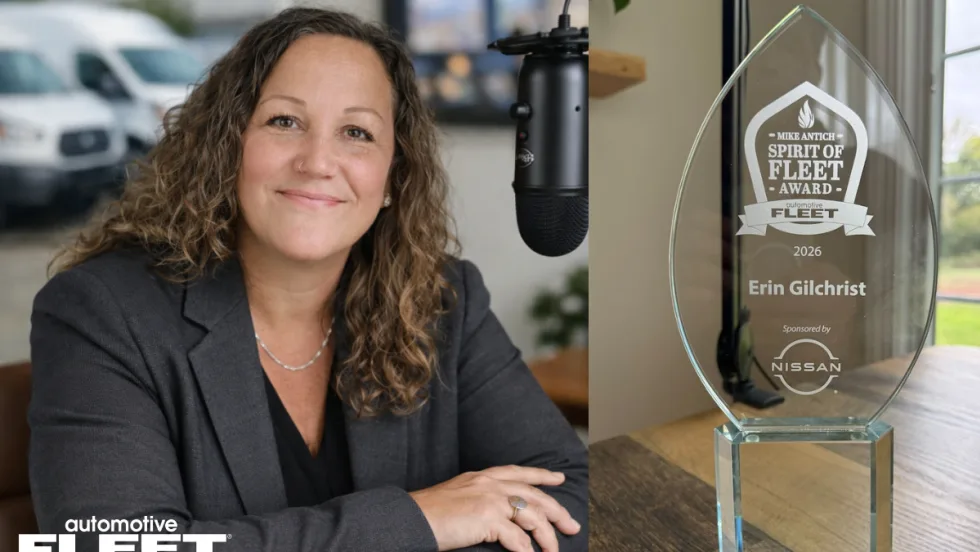
Erin Gilchrist Receives Mike Antich Spirit of Fleet Award
Last week at AFLA in Vegas, Erin Gilchrist received the inaugural, brand-new Spirit of Fleet Award.
Read More →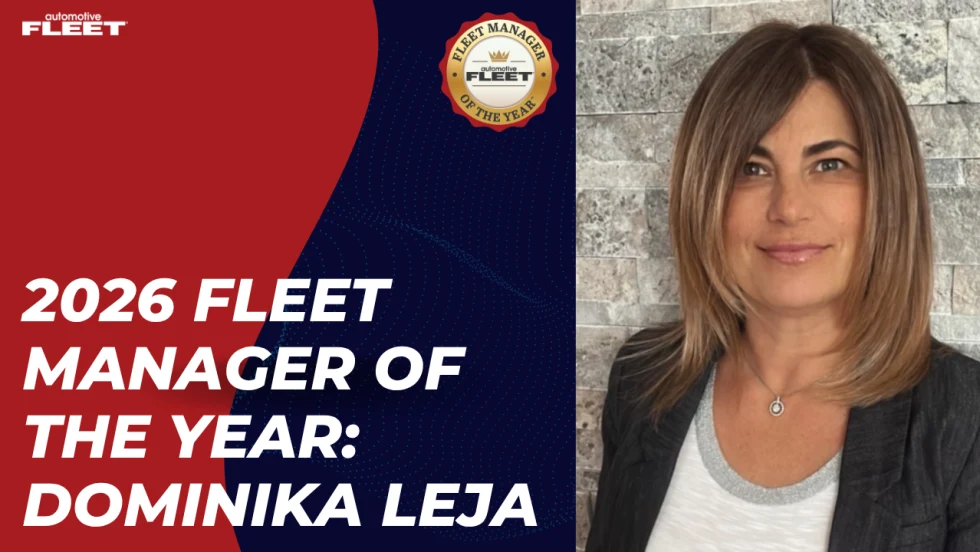
Dominika Leja Named the 2026 Fleet Manager of the Year
The AstraZeneca associate director of fleet was recognized for her leadership in fleet electrification, cost savings, and operational transformation.
Read More →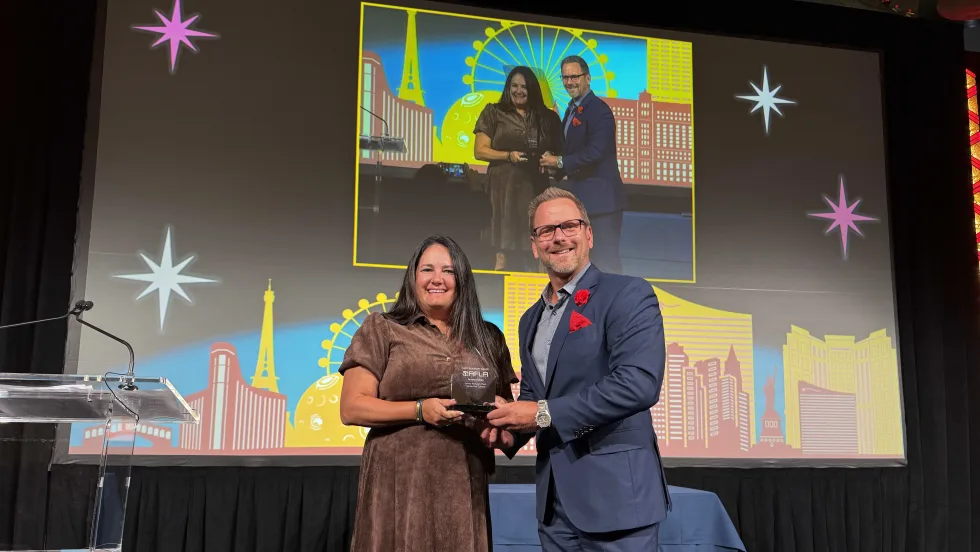
Jamie McKay Named the 2026 Fleet Visionary Award Winner
The Aptive Pest Control fleet manager was recognized for her approach to operations, data, lifecycle management, and driver needs.
Read More →
Fleet Forward Conference Introduces One-Day Passes for 2026
New one-day registration gives fleet professionals the flexibility to attend Tuesday, Wednesday, or Thursday, with passes available for $199 through Sept. 18.
Read More →
Vibe Coding: When Fleet Managers Become Software Builders
Five fleet professionals — none with programming skills — discuss how they’re using AI to build fleet solutions in-house and in a fraction of the time.
Read More →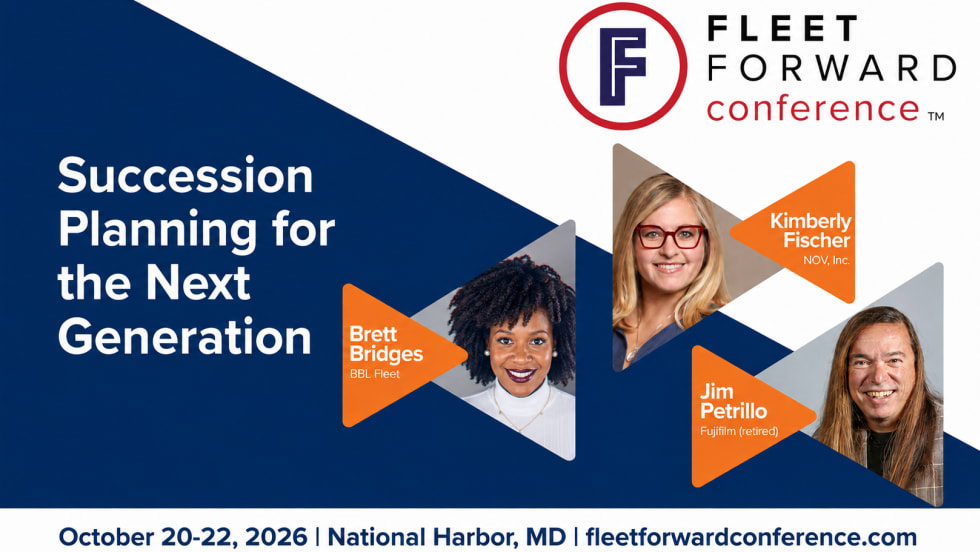
Fleet Forward Conference Tackles Fleet Industry’s Growing Leadership Gap
This session will examine succession planning, knowledge transfer, and the skills the next generation of fleet leaders will need as veteran professionals leave the industry.
Read More →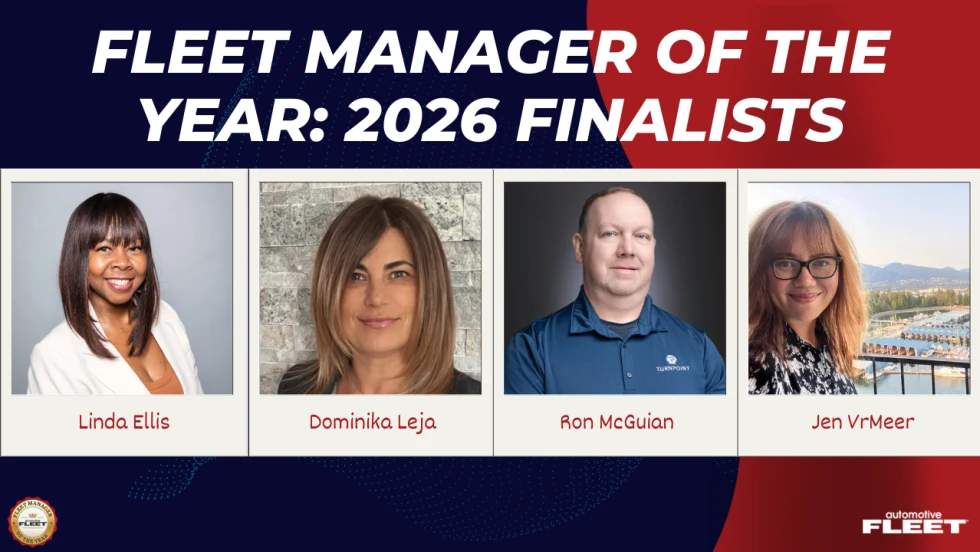
2026 Fleet Manager of the Year Finalists Announced
Who are the 2026 Fleet Manager of the Year finalists?
Read More →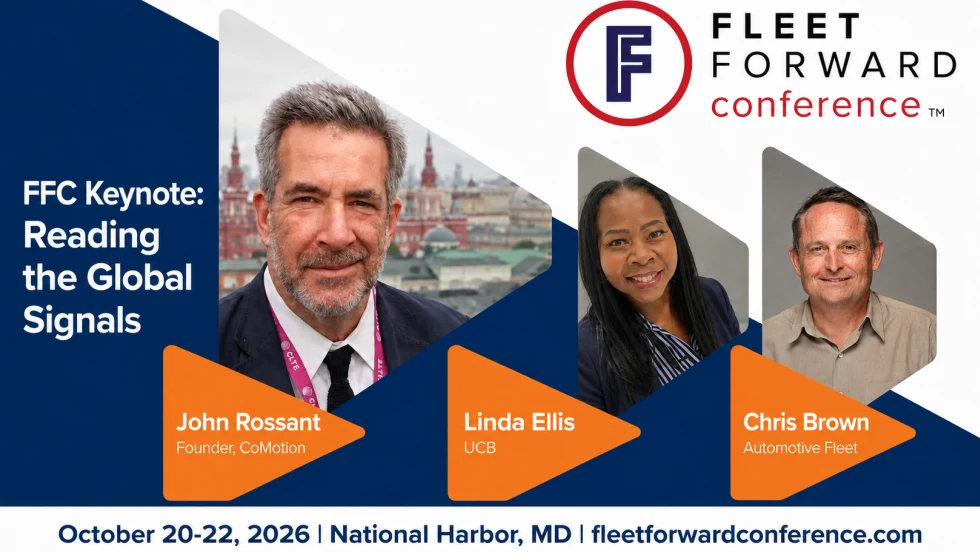
John Rossant to Deliver Opening Keynote at 2026 Fleet Forward Conference
The CoMotion founder will draw on developments across Europe, China, the Middle East, and other international markets to identify trends that could influence how U.S. fleets plan for the coming decade.
Read More →
How to Build Custom Fleet Tools With AI and Vibe Coding [Webinar]
A new Automotive Fleet webinar explores how fleet managers are using AI and vibe coding to automate routine work and create simple operational tools without traditional programming skills.
Read More →