





More Safety News: Record-Breaking Christmas Travel Brings Added Road Risks
FFC2025: Focus on Safety
Fleet Forward Conference 2025 sessions spotlighted how leadership, culture, and practical tools are reshaping fleet safety in 2025.
December 16, 2025
This year, the Fleet Forward Conference Safety Talks centered around people and connections.
Credit: Automotive Fleet
3 min to read
With a legacy born from the Fleet Safety Conference, safety is in FFC’s DNA. Across this year’s safety sessions, one central theme kept resurfacing: Fleet safety improves fastest when it’s treated as a human promise backed by systems.
Whether speakers approached the issue through leadership, risk, data, change management, or even comedy, the message was that people drive safety outcomes, and systems sustain them.
Here’s how safety expert panelists illustrated that theme:
Safety begins with leadership that treats it as a human commitment.
Bill Sims, the 2025 Safety Keynote Speaker, delivered a message on the importance of safety culture and what constitutes strong leadership. Sims centered his message on the idea that when employees believe their leaders genuinely care about them, they put forth discretionary effort, turning safe driving from a rule into a shared standard.
Dubbed “servant leadership,” this style of leadership fosters a culture of dignity and respect in which dispatchers, managers, and frontline supervisors consistently reinforce safe behaviors.
The key takeaway for industry leaders is to pair data and accountability with structured recognition and coaching that build buy-in, strengthen culture, and sustain safer decisions long after a program's initial rollout.
Data is only powerful when it connects to real people.
In the Fleet Safety Masterclass, John Wuich of Wheels and Eric Richardson, a safety consultant and former fleet safety award winner, demonstrated how to connect and analyze large datasets and collision rates to show how data can improve risk exposure.
They also discussed how telematics can reduce speeding, harsh events, miles driven, and seat-belt noncompliance.
Richardson emphasized, however, that statistics alone do not make the difference. It is when you connect that data to real people that you create empathy and memory, which drive better choices. By pairing trendlines with real names, real families, and real consequences, leaders can make safety unforgettable.
Cross-functional alignment turns safety into a defensible, repeatable system.
Kimberly Fisher, fleet manager for NOV Inc., and Angelique Maggi of Element approach safety as an organizational alignment issue that often creates more problems than solutions. Fisher and Maggi used a real-world loss scenario that illustrated how a single crash can trigger pressure from legal, risk, and executive leadership, and how that chain of events often demands impossible outcomes.
The central message: Liability can’t be eliminated, but it can be mitigated through cross-functional ownership and clear, consistent controls that demonstrate the organization takes driver and public safety seriously.
They recommended removing internal silos by building a routine. Implement a structured claims review system and ensure consistent policy enforcement. A safer fleet is easier to defend.
Change management works when it’s behaviorally grounded, not logistically convenient.
Dr. Allison Betts of ABA Technologies focused her session on why organizations can fail when implementing changes. Companies face many competing priorities, making it difficult to implement new policies and tools.
Her framework is rooted in behavior science and emphasizes linking “target behaviors” to meaningful business and human outcomes. She says that explaining why a change matters leads to greater compliance than just telling your employees that a change has been made. As touched on before, making personal connections greatly improves the outcome of any safety initiative.
Identifying environmental barriers that cause unsafe shortcuts and building a rollout plan that includes training, feedback, and coaching are also necessary to successfully implement any change.
Training sticks when it’s emotional, interactive, and memorable.
Steve Verret of IMPROVLearning brought some levity to safety using interactive comedy to deliver a message about why traditional training often fails. Instead of lecturing, he moved people forward, turned off phones, and used games to make safety facts memorable.
The point? Retention drives outcomes: If drivers don’t remember the message in the moment of temptation, the policy doesn’t matter.
Under the humor is a serious topic — cellphone distraction remains a daily, widespread threat, and reducing that risk requires more than signage and reminders.
If training is interactive, repeated, and emotional, people are more likely to remember it and follow it.
Subscribe to Our Newsletter
More Fleet Forward
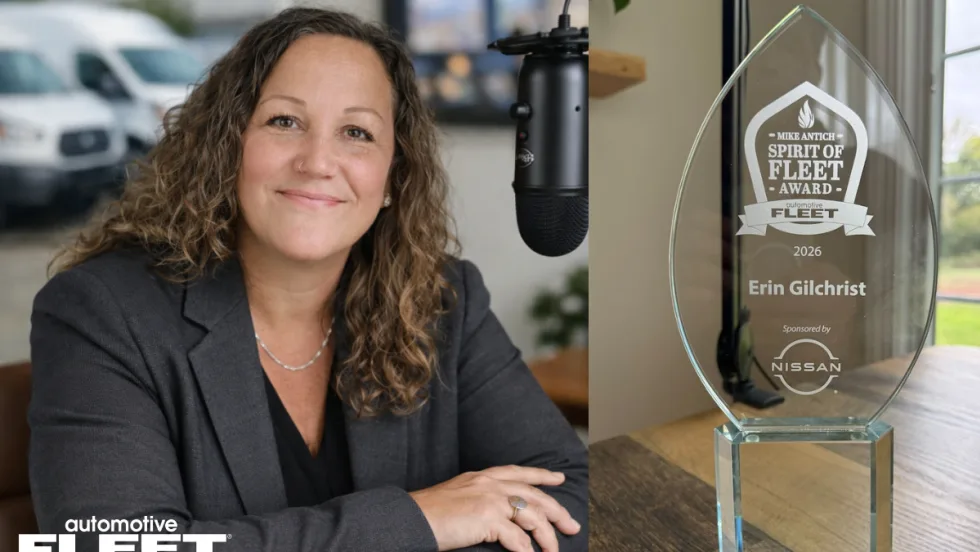
Erin Gilchrist Receives Mike Antich Spirit of Fleet Award
Last week at AFLA in Vegas, Erin Gilchrist received the inaugural, brand-new Spirit of Fleet Award.
Read More →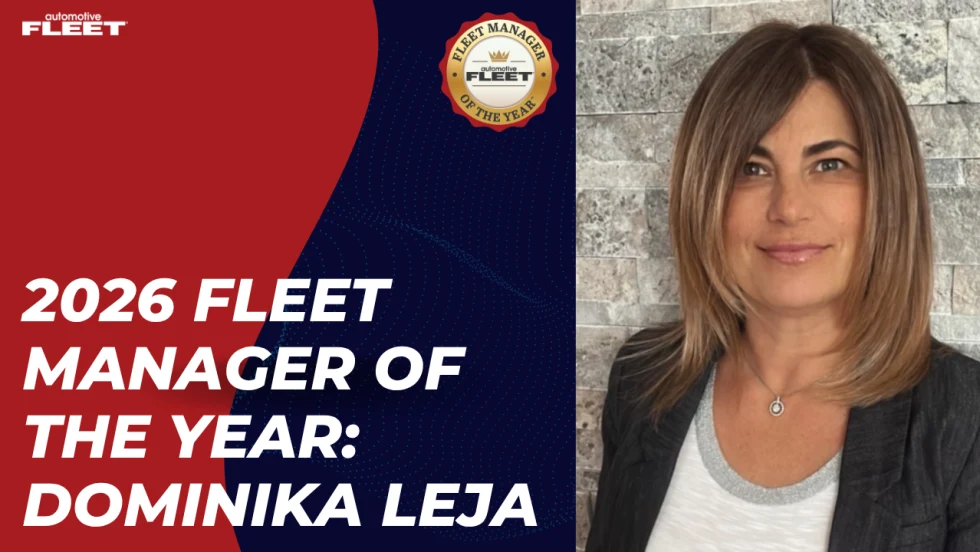
Dominika Leja Named the 2026 Fleet Manager of the Year
The AstraZeneca associate director of fleet was recognized for her leadership in fleet electrification, cost savings, and operational transformation.
Read More →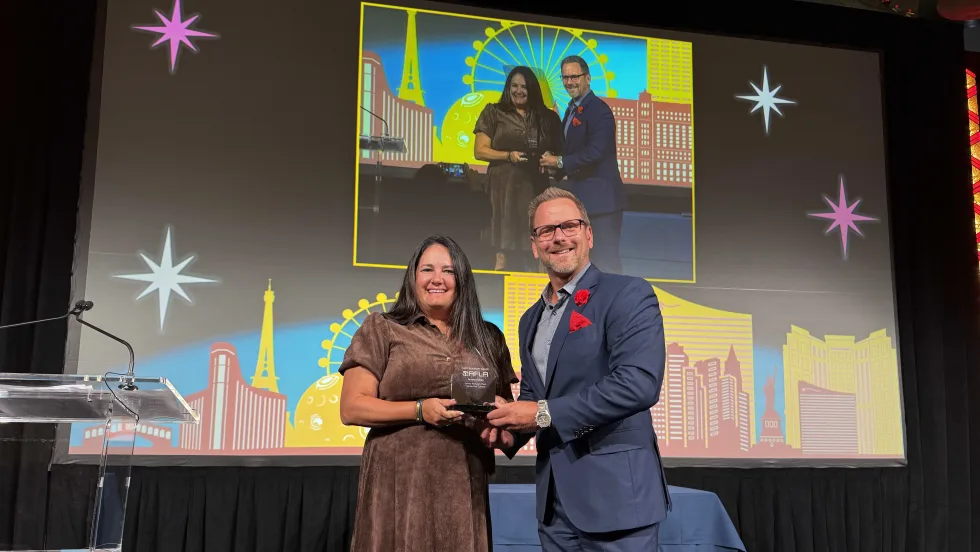
Jamie McKay Named the 2026 Fleet Visionary Award Winner
The Aptive Pest Control fleet manager was recognized for her approach to operations, data, lifecycle management, and driver needs.
Read More →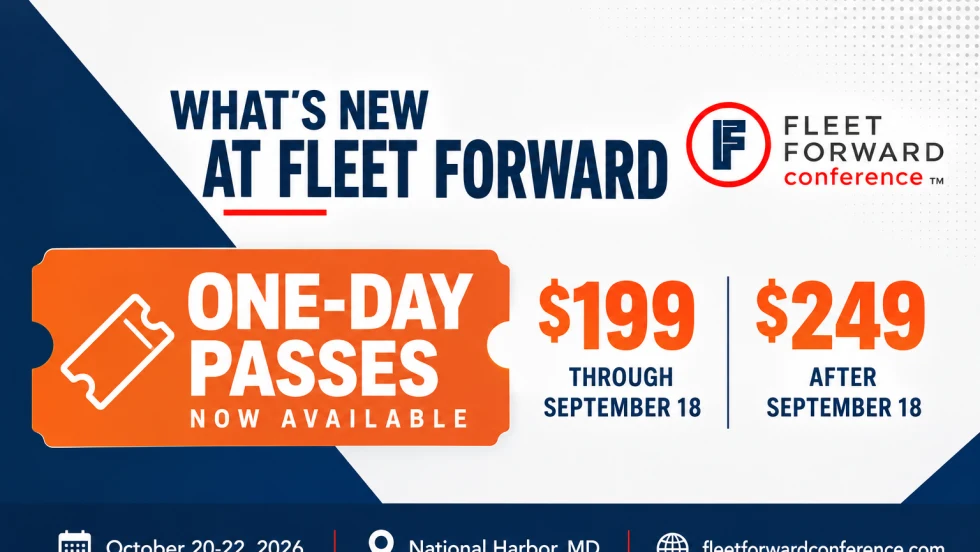
Fleet Forward Conference Introduces One-Day Passes for 2026
New one-day registration gives fleet professionals the flexibility to attend Tuesday, Wednesday, or Thursday, with passes available for $199 through Sept. 18.
Read More →
Vibe Coding: When Fleet Managers Become Software Builders
Five fleet professionals — none with programming skills — discuss how they’re using AI to build fleet solutions in-house and in a fraction of the time.
Read More →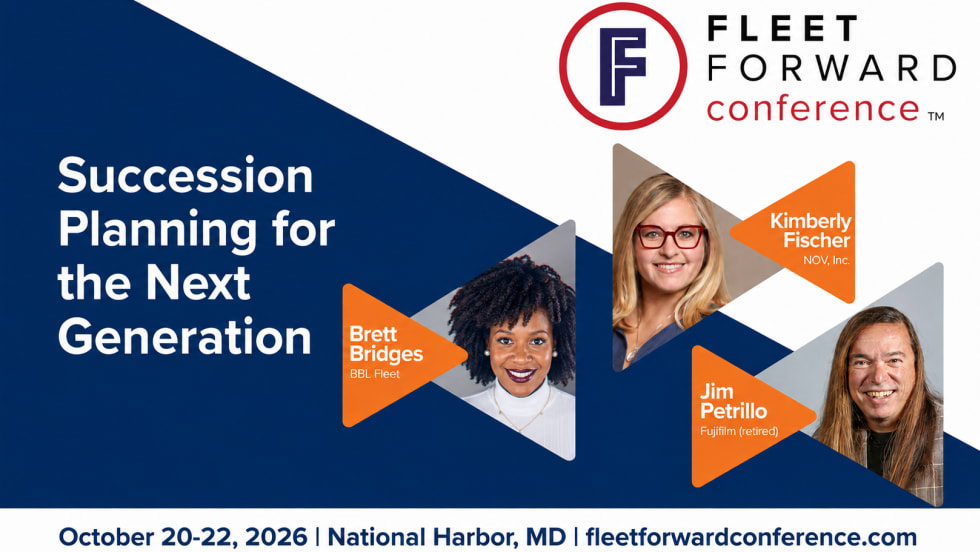
Fleet Forward Conference Tackles Fleet Industry’s Growing Leadership Gap
This session will examine succession planning, knowledge transfer, and the skills the next generation of fleet leaders will need as veteran professionals leave the industry.
Read More →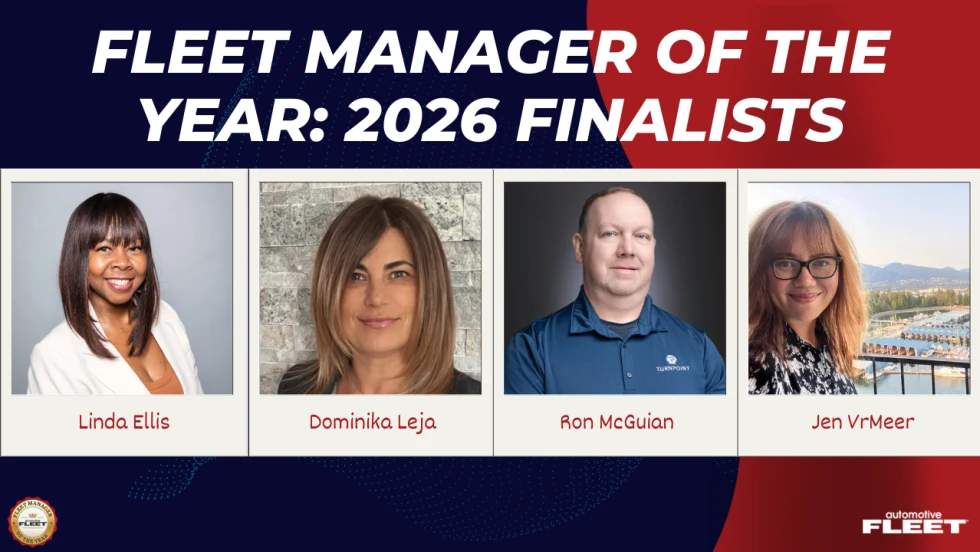
2026 Fleet Manager of the Year Finalists Announced
Who are the 2026 Fleet Manager of the Year finalists?
Read More →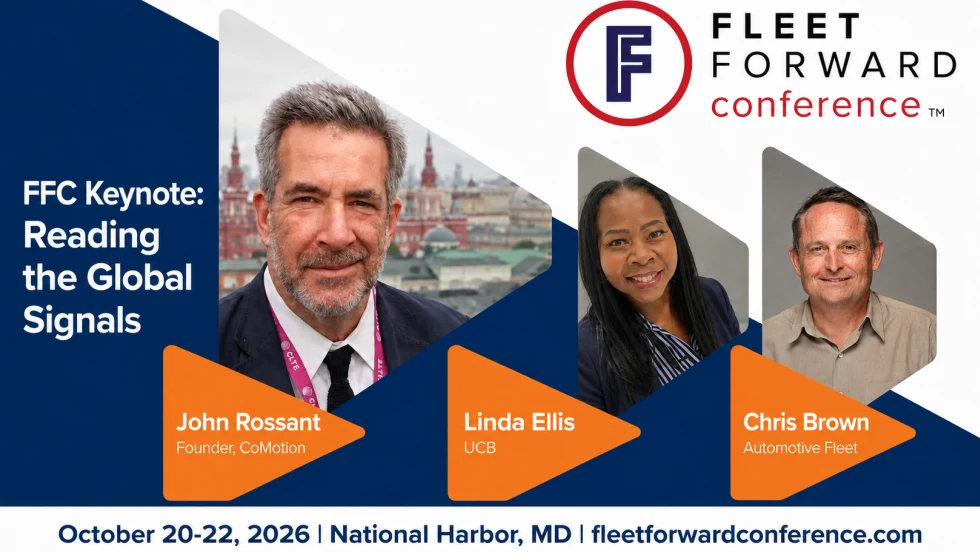
John Rossant to Deliver Opening Keynote at 2026 Fleet Forward Conference
The CoMotion founder will draw on developments across Europe, China, the Middle East, and other international markets to identify trends that could influence how U.S. fleets plan for the coming decade.
Read More →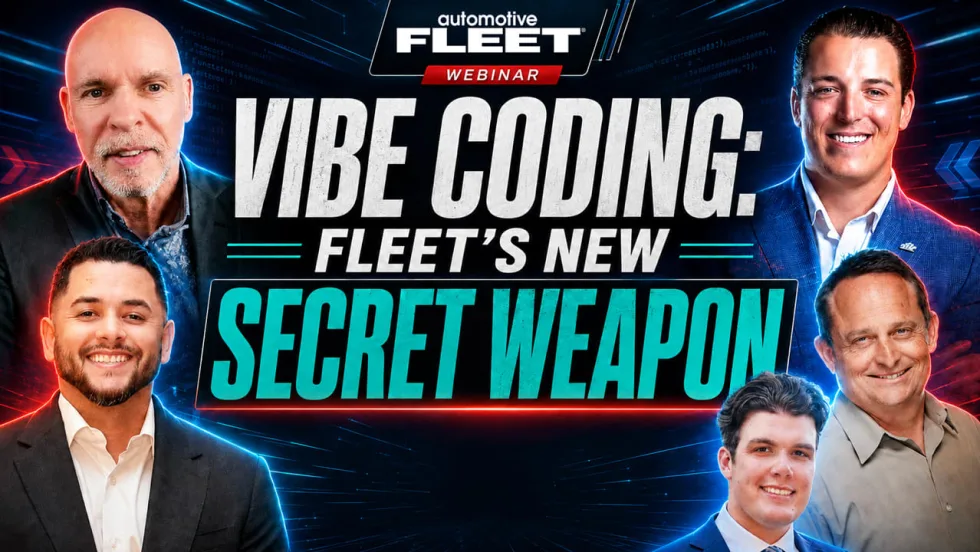
How to Build Custom Fleet Tools With AI and Vibe Coding [Webinar]
A new Automotive Fleet webinar explores how fleet managers are using AI and vibe coding to automate routine work and create simple operational tools without traditional programming skills.
Read More →