




Related:
How Fleet Management Technology Can Help Protect the Bottom Line
GPS tracking is the core technology enabling fleet management software, providing the near real-time location of an asset or vehicle. Fleet management tech can help fleets improve efficiencies, reduce maintenance, and lower insurance costs.
by Kevin Aries, Verizon Connect
April 1, 2020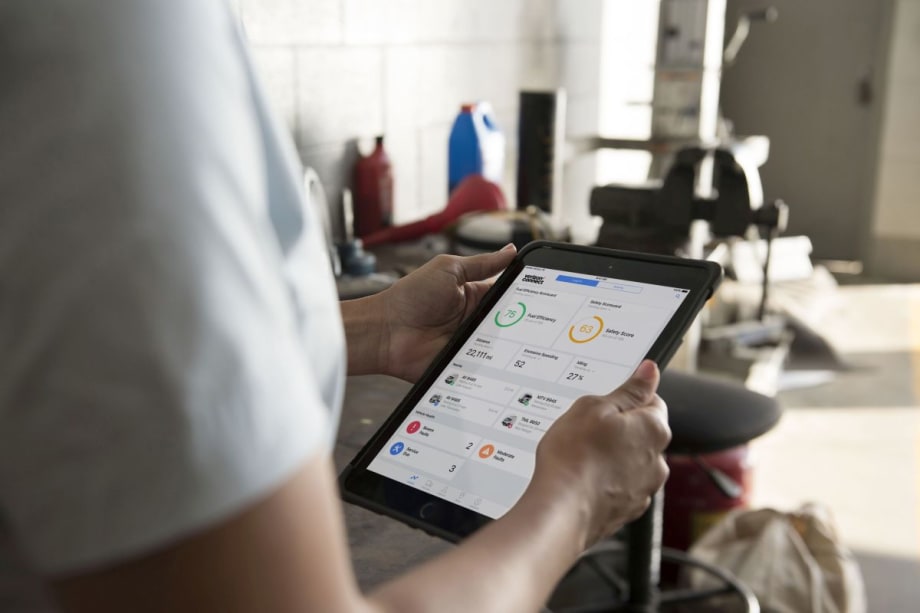
GPS tracking is the core technology enabling fleet management software, providing the near real-time location of an asset or vehicle.
Photo: Verizon Connect
3 min to read
Fleet management technology is more than a way to provide fleet managers the location data of vehicles and assets - it’s a family of software management platforms, in-cab devices, apps, and tablets that work together and can provide additional business value to help companies protect their bottom line.
GPS tracking is the core technology enabling fleet management software, providing the near real-time location of an asset or vehicle. This data becomes much more actionable and helpful to fleet managers when it is overlaid on maps of road and weather conditions in a software platform.
The technology tracks vehicle driving data, such as harsh braking, harsh acceleration, excessive idling, and excessive speeding, at an individual vehicle level. These features of fleet management technology can help businesses control risks and lower costs associated with vehicle repairs and accidents.
Here are three ways fleet management technology can help protect the bottom line:
1. Improving Efficiency
Boosting productivity while still maintaining a high quality of work and customer satisfaction is a common concern for fleet managers. Dispatching drivers is an intricate tower of overlapping schedules, real-time breakdowns, and limited availability, all under heavy time constraints.
Keeping your drivers on schedule and equipped with the right tools is priority number one for getting jobs completed on time and budget. Still, without proper insight into the schedules of your drivers day in and day out, you are putting yourself at an incredible disadvantage and risk.
To avoid confusion or crossing wires, owners and dispatchers can rely on GPS tracking instead of manual processes to improve business efficiency. Having the ability to track, monitor, and maintain your powered and non-powered assets is essential to keeping your business running smoothly, keeping customers satisfied, and improving your reputation.
2. Reducing Vehicle Maintenance
It’s hard to run a fleet without vehicles, so making sure that they are in working order is key to protecting the integrity of a business. However, vehicle maintenance can become a costly expenditure due simply to wear and tear.
With fleet management solutions, alerts can be set up with the data from a vehicle control module, which tracks mileage, oil level, temperature, and much more. Fleet managers can then schedule maintenance in advance that can help prevent unexpected breakdowns and extend the life of a vehicle.
Wear and tear can also be aggravated by harsh driving. Fleet management technology tracks driving behavior at an individual level. This feature allows managers to use empirical data to have tailored conversations and coaching sessions with specific drivers to make changes that can help protect vehicles and promote road safety.
3. Lowering Insurance Costs
Driver performance and vehicle usage reports are beneficial for operating a fleet, but they can also be shared with insurance companies to negotiate lower rates and discounts. The data can illustrate the impact of company-wide driving policies or even individual improvements in driving behavior.
Moreover, fleet management solutions used in combination with video dashcam technology can help protect a business against false claims in the event of an accident. In instances when a driver is falsely accused of being at fault after an accident, video can provide authorities with the evidence necessary to overturn incorrect reports that could have held a company liable and vulnerable to hefty legal and health insurance fees.
Overall, advanced fleet management technology provides fleet managers and businesses with the tools to help drive safety, efficiency, and productivity. As technology and vehicles continue to evolve, the technology will create new ways for business owners to utilize the data and future-proof business for tomorrow.
About the Author: Kevin Aries leads Global Product Success for Verizon Connect, helping build software solutions that optimize the way people, vehicles, and things move through the world. Working predominantly with field service businesses, Kevin spends his time understanding the problems and solutions of the service industry to improve customer experience. Outside of field service, Kevin's background has enabled him to help small businesses communicate, share digital information and increase productivity through various mobile technology platforms and solutions.
Originally posted on Work Truck Online
Subscribe to Our Newsletter
More Global Fleet
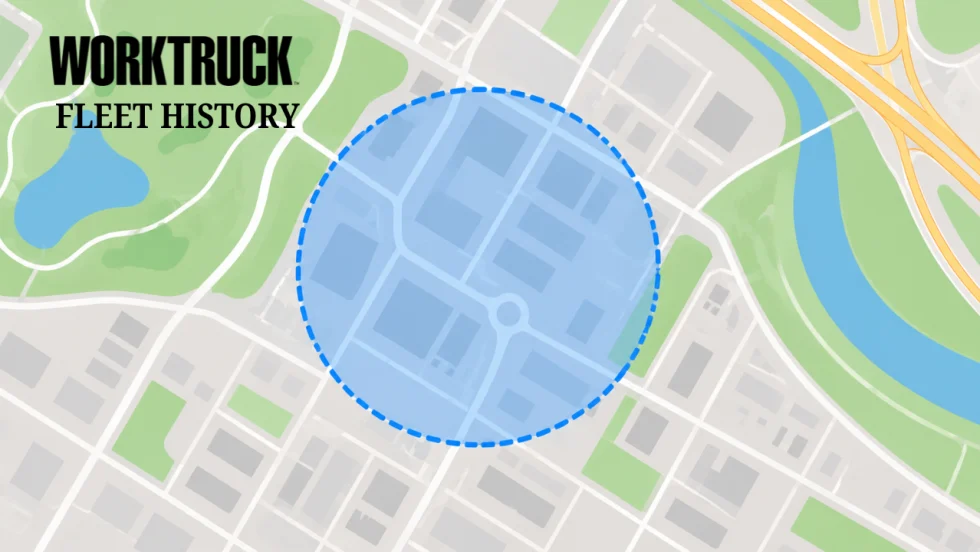
GeoFencing Adds to Your Truck Security Arsenal
Geofencing is a familiar fleet tool today, but its early adoption marked a major shift in vehicle tracking, route monitoring, and the debate over employee privacy.
Read More →
Holman Takes Full Ownership of ARIZA in Mexico
Holman is bringing its Mexican fleet management operation fully under its own brand after more than 30 years as a joint venture. The change gives multinational fleet customers a single Holman operation across the U.S., Canada, and Mexico.
Read More →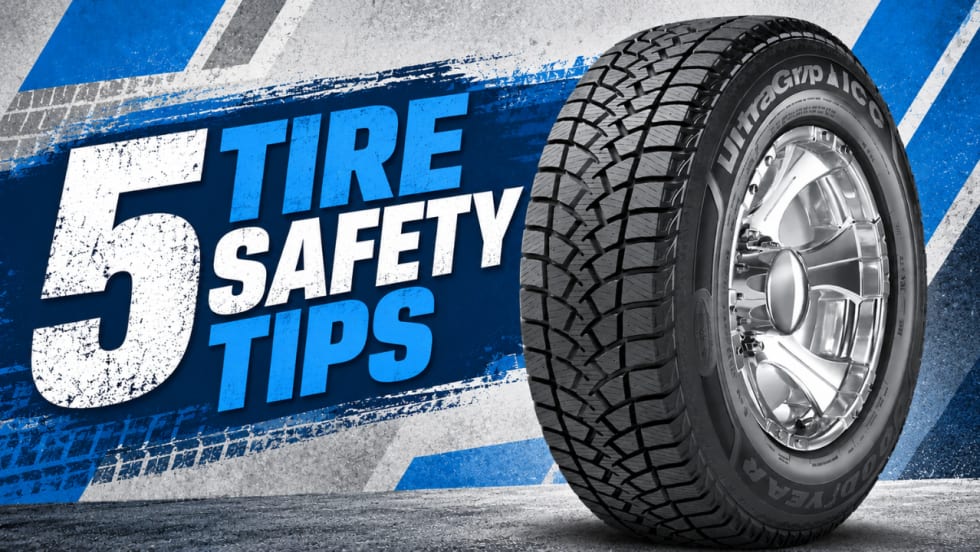
5 Tire Maintenance Tips to Help Prevent Work Truck Downtime
Regular tire checks can do more than extend tread life. These five maintenance practices can help work truck fleets catch problems early, reduce costs, and prevent downtime.
Read More →

Proven Ways to Reduce Work Truck Downtime
The age-old problem of downtime will always be a reality, but with new strategies at hand, fleets have more ways to keep trucks on the road longer.
Read More →


Cameras, Safety and Insurance: From Reactive Claims to Real-Time Prevention (Part 2 of 2)
Part Two: Commercial auto remains one of the most challenging and costly lines of coverage for fleet operators and insurers alike. Continue learning more about how to effectively address these issues from Onur Aksan, Enterprise Business Development Executive, Geotab
Read More →
Cameras, Safety and Insurance: From Reactive Claims to Real-time Prevention
Commercial auto remains one of the most challenging and costly lines of coverage for fleet operators and insurers alike. Learn more about how to effectively address these issues from Onur Aksan, Enterprise Business Development Executive, Geotab.
Read More →
Fleet Costs Are Rising: Here’s How Leaders Are Responding
Fleet leaders are under pressure to reduce costs, adapt to economic uncertainty, and make smarter decisions. See how peers across North America are responding with real data, proven strategies, and forward-looking insights. Download the 2026 Market Pulse Report to benchmark your strategy and uncover where you can gain an edge.
Read More →
Enterprise Fleet Management Surpasses 900,000 Vehicles in U.S. & Canada
Enterprise Mobility connects with mobility solutions around the globe
Read More →