




How Data Drives EV Choices and Fleet Operations
Electric vehicles drive lots of data which enables them to become more data driven, in an information loop. That means fleets can adapt to EVs with more efficient deployments and informed usage.


Eric Mallia, vice president of sustainability solutions at Geotab, advises fleet operations on where they can go with their electric fleets and how telematics data can help them get there.
Photo: Geotab
Telematics not only supplies the here and now of GPS, but provides plenty of actionable historical data, such as where do fleet vehicles go and for how long, as well as trends on fuel usage and emissions.
Even more powerful is how telematics data can provide predictive analytics based on the vast streams of data flowing from electric vehicles.
“So rather than looking backwards at what has happened or give me a snapshot of what's happening right now, tell me the what ifs, what is what, and what is the art of the possible?” said Eric Mallia, vice president of sustainability solutions at Geotab. “Where can we go with our fleet and how can telematics data help us do that?”
Mallia appeared last month in an episode of the Charged Fleet video series, The Off Peak, sponsored by Geotab. Here is a summary of his insights and advice for first-time EV fleets.
Choosing the Best Electrification Options
Predictive analytics can help a fleet plan the pace and scope of deploying electric vehicles.
In an EV suitability assessment telematics takes all the historical data from a vehicle and feeds that into predictive models, comparing the performance of both ICE and electric vehicles. In planning for EVs, such data insights can answer core questions:
What would have happened or what could occur if you're doing that on electric vehicles?
What would be the emissions benefit?
What would be the cost savings?
What would be the fuel reduction benefit or the inverse?
Would you spend more by electrifying your fleet over time?
Another powerful tool compares the data results of one fleet across the vast aggregate data from other or similar fleets using the same data model. Such validation leads to more accuracy and boosts customer confidence in planning for EVs.
“Will it give me a reasonable payback in the time that I'm operating this vehicle?” Mallia asked, summing up a big question for fleet managers.
Replacing ICE Vehicles with EVs
Given that supply in certain fleet vehicle categories is still constrained, fleet managers should ask what is the art of the possible? What are scenarios for EVs and which models are available and on what duty cycles?
In the fleet context, you must assess vehicle usage, so you get economic payback from low operating costs, Mallia said. “You could get that payback in a reasonable time if you're using the vehicle. But if it's going too far daily, you will have range restrictions. You must find that sweet spot in the data and the way the vehicles operate. It's easy for us to input that data into a predictive model for EVs and really determine with what vehicles are available, where they're a good match.”
Measuring the Total Cost of EV Ownership
The primary goal of the fleet manager is to accurately measure the total cost of ownership and ensure EVs either break even or contribute to the P&L.
In the case of leveraging the data to do predictive analytics, fleet managers need to look at four key categories: Acquisition costs, depreciation costs, energy costs, and maintenance costs.
Telematics data can look at different models and powertrains and project a cost per mile from a maintenance standpoint while comparing ICE and hybrid vehicles, Mallia said.
Another factor a data model can consider: Will the insurance provider give you a better rate if you electrify your fleet? “Some of these electric vehicles are quite advanced and they offer a lot of safety features, and depending on your insurance provider, you might be able to get some benefits that way as well.”
Planning and Choosing EV Charging Infrastructure
A fleet operation must find the best approach in planning and choosing either a charging network or established chargers.
A fleet can be vulnerable to having all its EV charging spike while incurring big demand charges for its electric usage. Being able to understand when vehicles can charge, not just when they are likely to charge, and automating the management is a key part of a charging strategy, Mallia said.
“What a fleet will need to consider, particularly in a depot scenario, is how are you going to manage all that charging so that you don't spike your costs of electrifying your fleet for demand charges or service system upgrades?” he asked.
Before starting to plan out a charging scenario, a fleet operation should tap its accumulated data to understand what makes and models match certain duty cycles.
Citing telematics data, “we can look at things like the dwell location and dwell times of vehicles and the driving needs of those vehicles, and then predict how much charging would happen at that site, when it could happen, and determine what types of charging stations are needed,” Mallia said.
He refers to this process as a charging infrastructure assessment, which builds on the EV suitability assessment. One other element to this is managing charge points and times for those EVs employees to take home. Data collected on each vehicle can create a reimbursement program for electric costs based on geo-fenced access and areas of travel.
Applying Data to Optimize Operations
Once a fleet operation has applied data to vehicle purchases, total costs of ownership, and charging and power needs, there remains the question of how to apply data to the daily operation and routing of fleet EVs. The goal is to run the most efficient fleet possible.
A fleet operation managing electric vehicles will have many different needs compared to those of internal combustion engine vehicles.
The key categories of data types for electric vehicles include driving data and charging data, as they apply to use cases. EV ranges by location and fleet types are two factors informing a deployment strategy.
A taxi operator, for example, will need to know in real time the battery state of charge and vehicle location. “Can this vehicle be dispatched to pick up a customer given where they need to go?” Mallia said. In another scenario, fleets may vary in how long they keep an EV before cycling it out.
“They might think about things like the battery state of health over time. Is the battery degrading because they’re keeping it longer than those EVs in private sector fleets?
And how might that impact resale values and the range capability of the fleet?”
For last-mile delivery fleets, a special added feature in the telematics software can provide a real-time dashboard to know the charging status of all EVs in the depot and which ones will be ready for the next deployments and for what distances.
“Can they make real time decisions to change the charging behaviors, or the dispatching plans of those vehicles given the charging requirements? All these different use cases need a flexible solution with robust data to be able to address those needs.”
Lessons from Early EV Adopters
The fleet operations joining the first wave of EV adopters can offer informed lessons for the bulk of fleets yet to embark on their electrification plans.
Among the primary takeaways from early EV Mallia cited:
Some fleets under electrification mandates mistakenly decided to play it safe by putting the EVs into low usage scenarios to deter challenging situations. Fleet managers who fail to use EVs to their fullest potential will not get the maximum value and skew the performance and cost metrics, thereby depriving the operation of its full budgetary payback.
Avoid putting EVs into shared motor pools since they won’t accurately develop usage data on specific and consistent duty cycles. That could distort a fleet management’s judgments on how and where to deploy the EVs as they gain actionable data. Last-mile delivery fleets in particular need duty cycle data to match the right EVs for the best routes.
To maximize value and return on an EV fleet, a competitive advantage lies in figuring out peak usage in specific duty cycles via telematics applications that matrix out the most efficient charging and power consumption and yield as much cost savings as possible.
The real transition in fleet electrification results from the cost savings and environmental benefits. Collecting and applying data feeds both goals by enabling each fleet to customize an approach that runs the EVs at the highest level and identify even more competitive advantages.
More Green Fleet
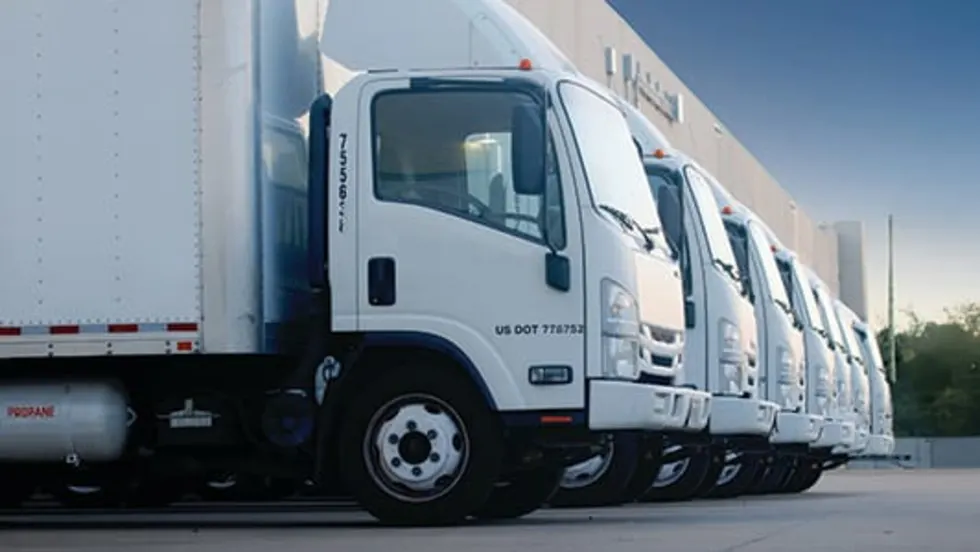
New Propane Autogas Program Offers Fleet Compensation
Qualified commercial fleets can receive $7,500 per eligible propane autogas vehicle and up to $10,000 for new refueling site prep. Learn how the program works and see whether your fleet qualifies.
Read More →
EV Charging Use Is Outpacing Infrastructure Growth
ChargePoint’s 2026 Charging Forward Report points to rising charger use, higher-powered charging, commercial vehicle electrification, and energy-management technology. Here’s what fleets should know.
Read More →
Merchants Fleet Reports 290M EV Miles as Fleets Navigate Changing Electrification Market
From millions in operating savings to hundreds of millions of EV miles, Merchants Fleet’s latest report reveals what’s working and what’s changing in fleet electrification.
Read More →
The EV Breakdown Nobody's Talking About: Why Most Electric Vehicle Roadside Calls Aren't Mechanical Failures
Here's why EV breakdowns are widely misunderstood.
Read More →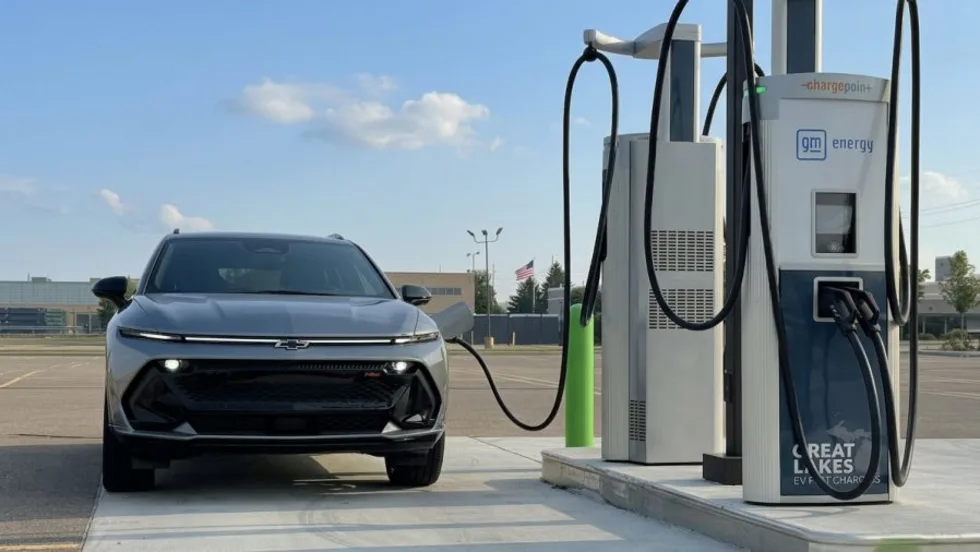
ChargePoint Now Available in Energy Pass
ChargePoint and additional planned charging network integrations were added to GM's Energy Pass.
Read More →

First Look: Slate Auto's Electric Fleet Pickup
Could an affordable, modular EV pickup make electrification more practical for fleets?
Read More →
Slate Debuts Colorful, Unique EV Models
A recent media and client event, studded with electric vehicles dressed up on platforms, planted a new position for the manufacturer in the wider EV market. Fleets will find cost-saving advantages.
Read More →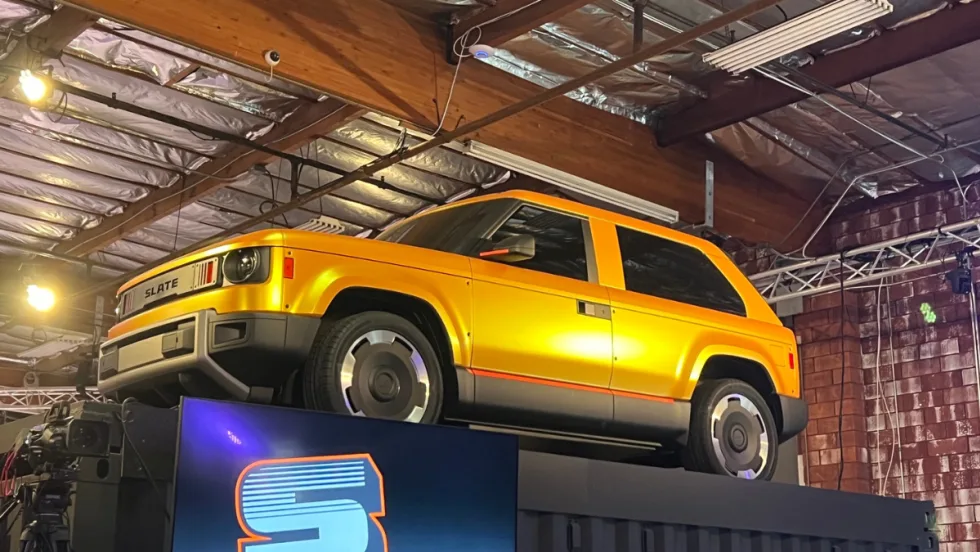
Slate Electric SUV, Pickup Switchable Model Aims For Light-Duty Fleets
Everything about this EV is counterintuitive and understated, making it stand out from the crowd.
Read More →
Inspiration Mobility Acquires Key Electrada Assets
Inspiration Mobility Group has acquired select assets of Electrada, adding the fleet electrification provider's team, technology, and charging infrastructure development capabilities to its energy management business.
Read More →