





Verizon Connect Webinar Part 1:How to Prepare for a Long-Term Electric Fleet
How Data and Technology Help Fleets Add Electric Vehicles
Find out more about howfleet managers can smooth out the technical and operational steps toward fleet electrification.
May 26, 2023
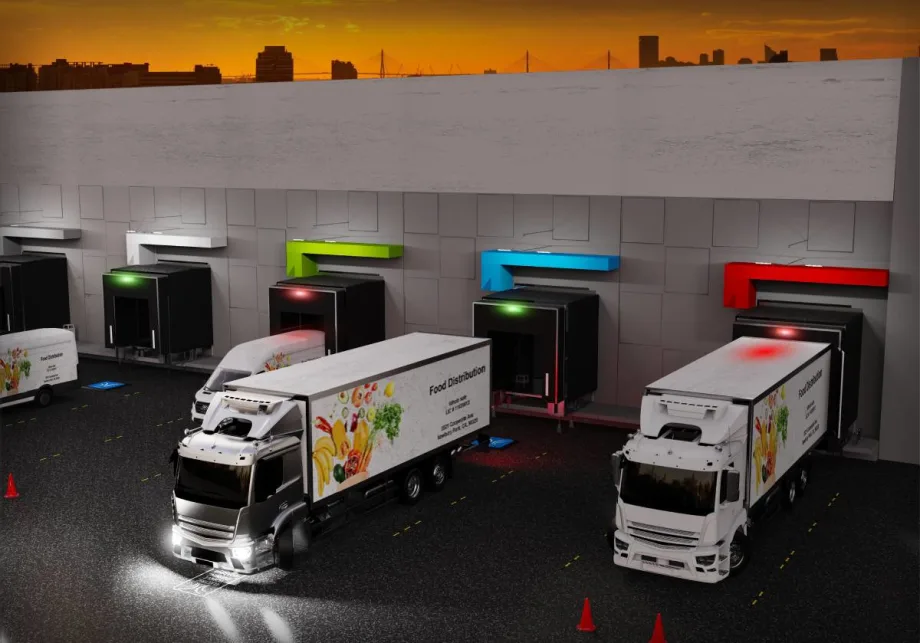
The fleet sector is bound to see more mixed fleet operations in years to come as part of EV transitions. Fleet managers should compare and contrast the metrics of ICE and electric vehicles.
File photo: Witricity
5 min to read
Electric vehicles are becoming increasingly popular as fleets seek to reduce their carbon footprint and operating costs. But integrating EVs into existing software and systems can be challenging. Here are some tips for fleets looking to boost their electric vehicle telematics.
Fleets may need to incorporate new software to manage the unique needs of EVs. With a robust telematics system, fleets can manage their EVs on a live map, understand their state of charge in an instant, determine battery levels immediately, and capture robust reports.
Fleets also should approach integration with their present software/systems cautiously, ensuring they identify what needs to be integrated for electrification and consolidate where possible.
While implementing new systems to support EVs can bring additional per-unit costs, there are a variety of options available, including EV charging stations, charging-as-a-service, infrastructure, and EV-ready telematics platforms. With the right software and systems in place, fleets can optimize their EV usage and identify maintenance needs, ultimately reducing costs and improving efficiency.
Learn more from the folks over at Verizon Connect about how essential data is to the fleet electrification process.
Boosting Electric Vehicle Telematics
Automotive Fleet:When it comes to fleet electrification, what new software/systems will fleets need to incorporate that aren’t in their present suite?
Verizon Connect: Depending on what technology software a fleet is leveraging today, new software may be required to manage the unique needs of electric vehicles (EVs). With a robust telematics system, fleets can manage their EVs on a live map, understand their state of charge in an instant, determine battery levels immediately, and capture robust reports.
Verizon Connect customers can already take advantage of near real-time data on EV tracking, charging status, alerts, and reports all in the same system and map, just as they would their internal combustion vehicles. This information can help fleets optimize vehicle usage and identify maintenance needs.
Some fleets may benefit from route planning software to help optimize routes for EVs based on factors such as charging station availability, driving range, and traffic conditions.
Last but certainly not least, ensure you don’t forget mobility. Be sure to bolster your desktop telematics software on the go, with a companion mobile app that can deliver EV data at your fingertips, as you need it.
Integrating Electric Vehicles into Software
AF:How should fleets approach integration with their present software/systems?
Verizon Connect: When approaching integrations with present software/systems, fleets should first identify what needs to be integrated for electrification. When assessing these systems and software it is important to attempt to consolidate and not add additional systems just for electrification when possible. Some telematics systems may already be compatible or have integrations built — these options should be reviewed to ensure the transition is as seamless and efficient as possible.
Before attempting these integrations, fleets should develop a plan that includes a timeline, budget, and goals of the integration. Always test the integration to ensure that it is working properly, and that data is being transferred accurately between systems. Testing should include both ICE and electric vehicles. Train staff to use the new software and any necessary information about integration.
Simplifying Data Viewing
AF:With multiple provider options to integrate, what type of systems consolidation can they expect to view data and operational information through a single pane of glass?
Verizon Connect: Consolidating data and operational information from multiple providers into a single pane of glass can feel like a complex process, but it doesn’t have to be. To optimize the process, the key is to ensure your technology platform is built with interoperability in mind. It is important to use a telematics system that both develops integrations with partners and enables APIs to help consolidate data into a single platform.
With a combination of software integration partners and APIs, you’ll be able to bring your data together, develop dashboards, and ensure the systems are talking with one another. Fleet management software such as Verizon Connect can provide a single platform for managing all aspects of fleet operations, making your mobile workforce more efficient and productive.
Comparing Electric and ICE Vehicle Metrics
AF: Can fleets expect integrations to compare ICE vehicle metrics with EVs?
Verizon Connect: We’re bound to see more mixed fleet operations in years to come as part of EV transitions. So, the natural curiosity is to compare and contrast. Comparing ICE vehicle metrics and EVs can provide valuable insights into fleet operations and help make informed decisions about the transition to EVs. A telematics platform can ease the burden by connecting all the data, providing a summary report, and enabling further compare/contrast calculations to be done. Here are some specific metrics that fleets may want to compare:
Fuel or energy usage, to understand the cost savings associated with EVs.
Maintenance costs, to help fleets understand the long-term cost savings associated with EVs
Emissions, to understand the carbon offset and environmental benefits.
Range differentiation, to understand the limitations of EVs and plan for daily charging and infrastructure needs.
Finally, fleets should not forget to analyze the performance metrics, such as acceleration and top speed, to help ensure the right vehicle is being used for the right task at hand.
Managing the Cost Outlook
AF:With EVs and TCO, the focus has been on decreased operational costs compared to ICE vehicles. These new systems to support EVs will bring additional per-unit costs. What is an overview of those costs (upfront software, installation, per-unit monthly fees)?
Verizon Connect: The costs associated with implementing new systems to support EVs can vary depending on the specific needs of the fleet, the systems being implemented, and where the organization is in their journey.
Costs will vary based on a fleet’s needs for charging and software to manage their operation:
Charging: There are a variety of options for charging as you determine what makes the most sense for your operation and budget:
EV charging stations: Plan for variable charging costs per fill-up based on the time of day, and location of the charger.
Charging-as-a-service: A monthly subscription service that reduces upfront capital expenditure.
Infrastructure (electric vehicle supply equipment): Upfront capital expenditure that will require installation and potential ongoing fees/maintenance.
EV-ready telematics platform: Monthly software subscription.
Subscribe to Our Newsletter
More Telematics
Element Expands Waymo Partnership to Support Toronto Robotaxi Fleet
As Waymo prepares to enter the Canadian market, Element Fleet Management will oversee the fleet operations supporting its planned Toronto launch. The partnership highlights the maintenance, charging, and infrastructure requirements behind operating autonomous vehicles at scale.
Read More →
GM Launches OnStar Fleet Intelligence Platform With AI Assistant
The new platform brings vehicle data, order tracking, connected services and fleet analytics into one system, with an AI assistant that can answer fleet questions using natural-language prompts.
Read More →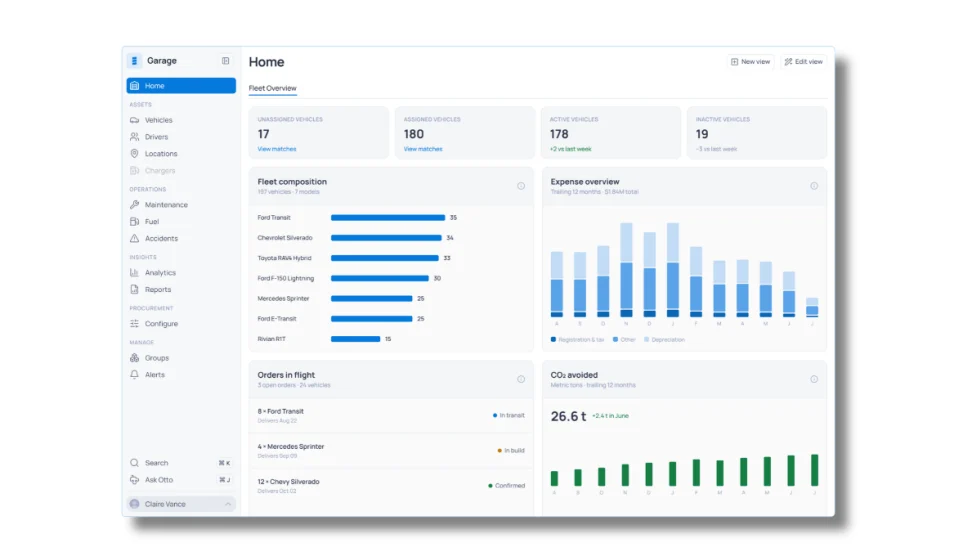
Inspiration Fleet Introduces Garage 2.0 Fleet Intelligence Platform
Fleet managers increasingly have access to data from vehicles, telematics, fuel, charging, and other systems, but those sources don't always communicate with one another. Inspiration Fleet's Garage 2.0 platform brings that information together while letting fleets keep working with different technology and service providers.
Read More →
Inside Inspiration Fleet’s New Platform for Connecting Fleet Data
Inspiration Fleet CTO Chris Getner explains how the new Garage 2.0 platform is designed to connect disparate fleet data and what that could mean for fleet managers in practice.
Read More →
Sponsored•October 1, 2026
Fleet Manager’s Ultimate Playbook: Navigating the New Standard in OEM Connectivity
Rising operating costs, driver safety concerns, and unplanned downtime are putting unprecedented pressure on modern fleets. Discover how fleet managers use embedded OEM connectivity and real-time vehicle data to cut TCO, prevent downtime, and protect drivers without aftermarket telematics hardware.
Read More →
Samsara Driver Perks Adds New Benefit for Corporate Fleet Drivers
The rewards program gives eligible professional drivers access to discounts from more than 50 brands while giving fleets another way to support recruitment, retention, and the driver experience.
Read More →
Inside the Church of Jesus Christ of Latter-day Saints’ Two-Track Telematics Strategy
With 20,000 vehicles and two fundamentally different driver populations, the Church faced a fleet management problem that a single telematics program couldn't solve. How it responded offers a replicable framework for any fleet where one size doesn't fit every driver.
Read More →
How Conversational AI Can Make Fleet Tasks Easier for Drivers
While most generative AI tools help fleet managers interpret data at their desks, Connex2X is applying voice interaction to tasks behind the wheel.
Read More →
Why Fleets Are Creating Dedicated Fleet Analyst Positions
Are fleet analyst positions the new norm? Listen here to find out.
Read More →
Teletrac Navman Begins Next Chapter as Standalone Private Company
What's new with Teletrac Navman and its new owner?
Read More →