




Green Fleet: Green Mountain Power Deploys First Hybrid Bucket Truck
GMP has improved fuel mileage 25 percent through the purchase of smaller vehicles and hybrids, and conversions of two hybrids to plug-in hybrid vehicles.
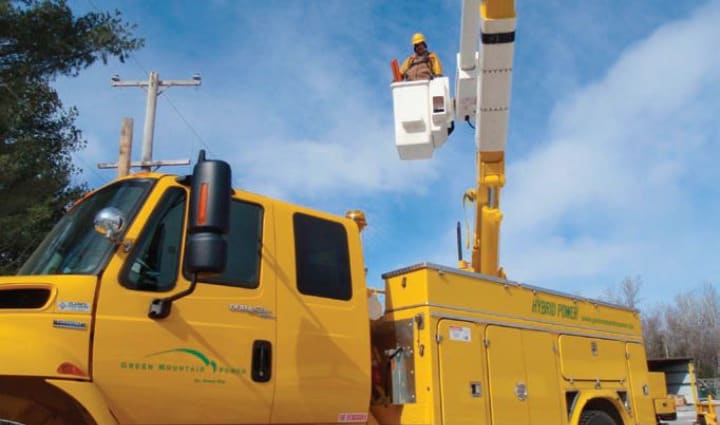
Green Mountain Power’s new hybrid bucket truck can run on batteries up to 20 minutes when the truck is parked and the bucket is in operation.
In an ongoing commitment to reduce its carbon footprint and embrace clean energy technologies, Vermont-based Green Mountain Power (GMP) placed its first hybrid bucket truck into service in March. With the new hybrid technology, GMP expects to cut fuel usage up to 60 percent, idling time by 87 percent, and also reduce maintenance costs.
Committing to ‘Green’
In 2004, Green Mountain Power became the first electric utility to join the Chicago Climate Exchange, a legally binding multisector market for reducing and trading greenhouse gas emissions. The electric utility serves approximately 94,000 customers, one-fourth of the state of Vermont’s population.
Having pledged to improve average fleet fuel efficiency by 25 percent by 2008, GMP was the first utility in Vermont to use biodiesel in its 105-unit fleet, consisting of light- and medium-duty vehicles, including a total of 25 bucket trucks.
According to Rebecca Towne, Green Mountain Power’s fleet manager, “The new truck will help us meet our ambitious green transportation goals. In the last three years, we’ve improved fuel mileage 25 percent through the purchase of smaller vehicles and hybrids, and two conversions of hybrids to plug-in hybrid vehicles. We also encourage our employees to reduce idle time, plan routes carefully, and use the most efficient vehicle for each trip.”
Customers will immediately notice the difference in the hybrid truck’s quieter operation, said Towne. Unlike gas-powered units, lineworkers no longer need to run the truck motor to use equipment on the truck. The hybrid can run on batteries up to 20 minutes when the truck is parked and the bucket is in operation, which helps reduce inefficient idling, noise, and exhaust at the job site, according to Towne.
Experiencing Benefits
The hybrid system recovers and stores energy normally lost during braking by charging the batteries. At low speeds, the charged batteries power an electric motor that assists the diesel engine in increasing fuel economy and reducing emissions. Cutting back on use of the diesel engine also helps lower maintenance costs.
Feedback from lineworkers has been positive. “The lower noise level is one of the biggest benefits for both the workers and our customers,” said Fran Racicot, head lineworker. “I operated the boom on this truck for nearly an hour, and the engine kicked on briefly just a few times. When you add in the positives of less exhaust and better mileage, I think this is going to be a nice truck for us.”
GMP continues to add hybrid vehicles to its fleet as older trucks and cars need replacement. Ten percent of its fleet has already been replaced with more fuel-efficient units.
In helping reduce the fleet’s operating costs, the more fuel-efficient addition “ultimately benefits customers, and also directly contributes to the improvement of Vermont’s carbon footprint,” said Towne.
More Green Fleet
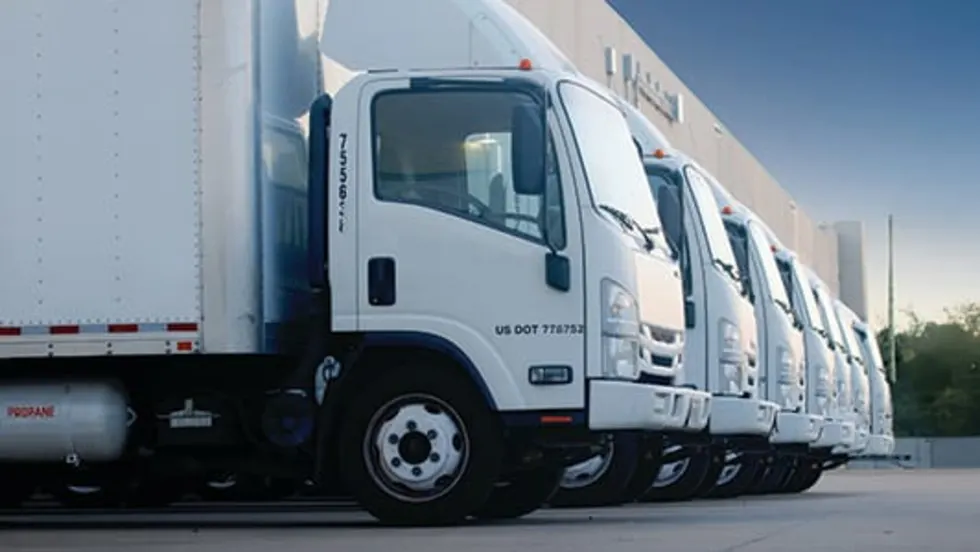
New Propane Autogas Program Offers Fleet Compensation
Qualified commercial fleets can receive $7,500 per eligible propane autogas vehicle and up to $10,000 for new refueling site prep. Learn how the program works and see whether your fleet qualifies.
Read More →
EV Charging Use Is Outpacing Infrastructure Growth
ChargePoint’s 2026 Charging Forward Report points to rising charger use, higher-powered charging, commercial vehicle electrification, and energy-management technology. Here’s what fleets should know.
Read More →
Merchants Fleet Reports 290M EV Miles as Fleets Navigate Changing Electrification Market
From millions in operating savings to hundreds of millions of EV miles, Merchants Fleet’s latest report reveals what’s working and what’s changing in fleet electrification.
Read More →
The EV Breakdown Nobody's Talking About: Why Most Electric Vehicle Roadside Calls Aren't Mechanical Failures
Here's why EV breakdowns are widely misunderstood.
Read More →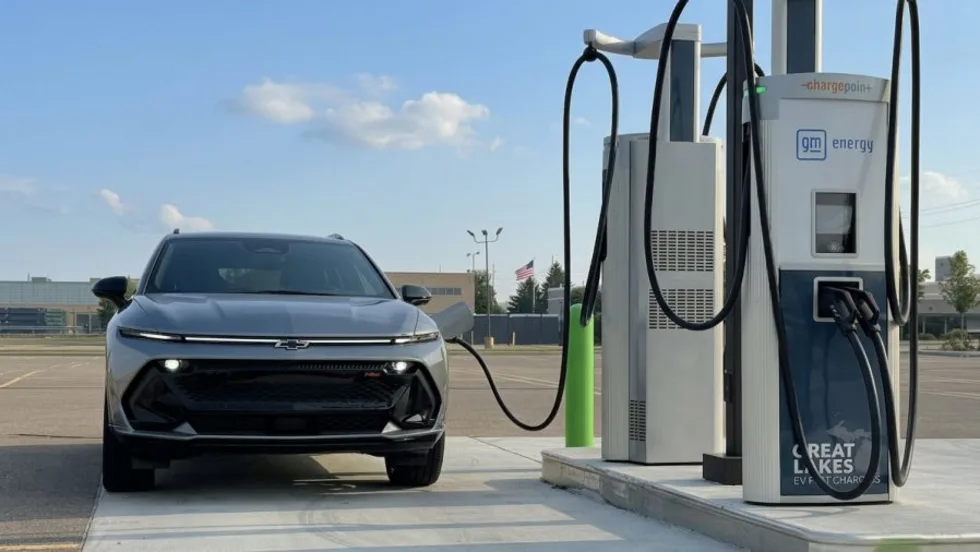
ChargePoint Now Available in Energy Pass
ChargePoint and additional planned charging network integrations were added to GM's Energy Pass.
Read More →
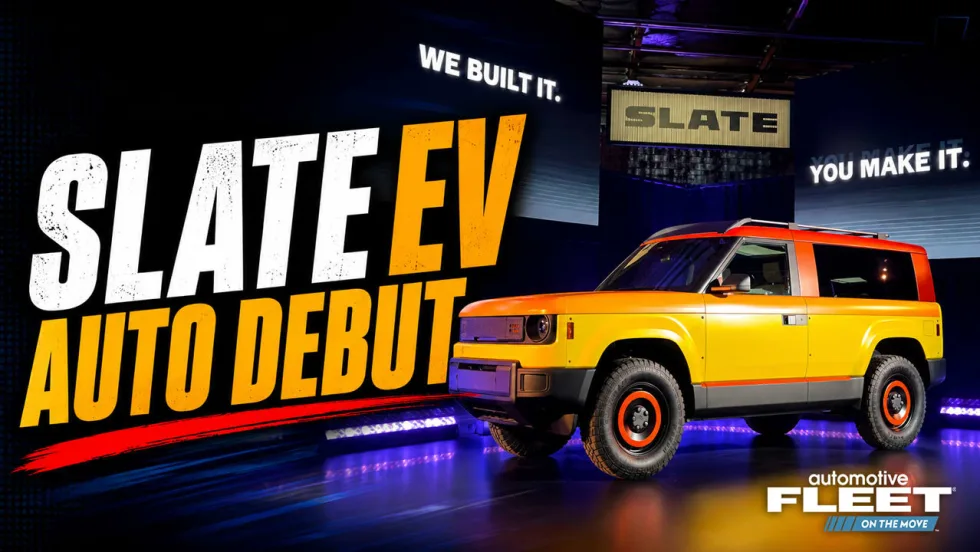
First Look: Slate Auto's Electric Fleet Pickup
Could an affordable, modular EV pickup make electrification more practical for fleets?
Read More →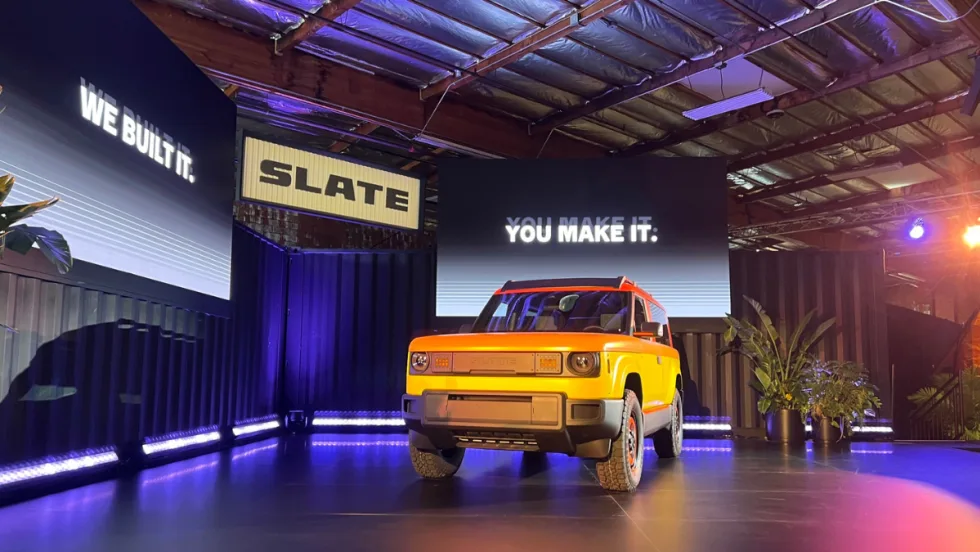
Slate Debuts Colorful, Unique EV Models
A recent media and client event, studded with electric vehicles dressed up on platforms, planted a new position for the manufacturer in the wider EV market. Fleets will find cost-saving advantages.
Read More →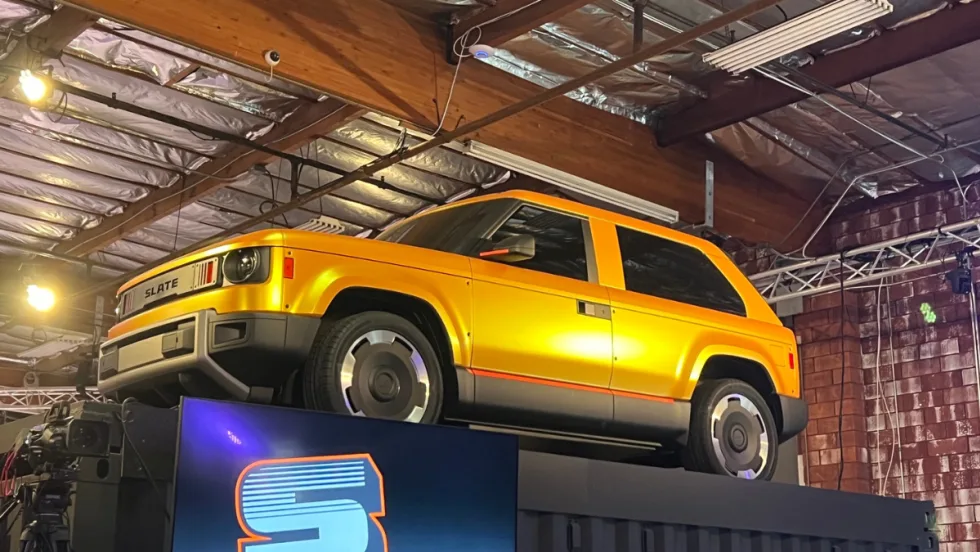
Slate Electric SUV, Pickup Switchable Model Aims For Light-Duty Fleets
Everything about this EV is counterintuitive and understated, making it stand out from the crowd.
Read More →
Inspiration Mobility Acquires Key Electrada Assets
Inspiration Mobility Group has acquired select assets of Electrada, adding the fleet electrification provider's team, technology, and charging infrastructure development capabilities to its energy management business.
Read More →