




Grant Go-Getters Embrace the 'Green Side' in Pennsylvania
When Tony Bandiero signed on to become a board member of the Greater Philadelphia Clean Cities (GPCC) coalition seven years ago, it seemed an unlikely match. This was because Bandiero came from “the dark side” — the petroleum industry — as he likes to joke.
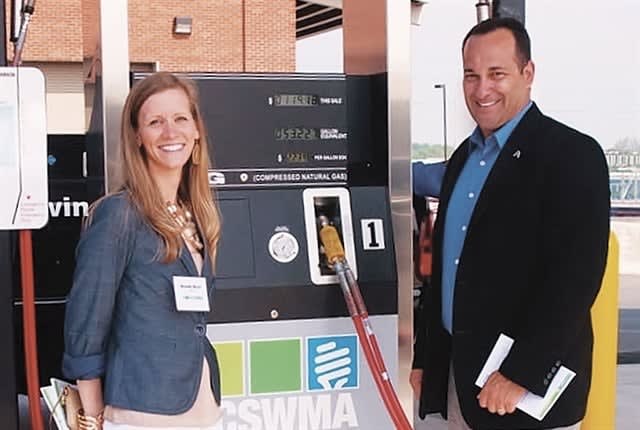
Executive Director Tony Bandiero (right) poses with stakeholder and Special Projects Coordinator Michelle Marsh to celebrate the opening of the Lancaster County Solid Waste Management Authority’s first compressed natural gas (CNG) station to support its newly converted transfer fleet. Photo courtesy of Lancaster County Solid Waste Management Authority
When Tony Bandiero signed on to become a board member of the Greater Philadelphia Clean Cities (GPCC) coalition seven years ago, it seemed an unlikely match. This was because Bandiero came from “the dark side” — the petroleum industry — as he likes to joke.
Bandiero learned about Clean Cities when he attended a GPCC board meeting on behalf of his employer, who was trying to gain support to build an E-85 station. Shortly after, he was asked to serve on the coalition’s board of directors. His move to the “green side” became complete when he took the helm as executive director about five years ago.
“I’ve found there’s a lot of crossover between both industries and the work we do,” he said. “The need to create strong relationships is still there, and there will always be a need for people to fuel their vehicles. The petroleum industry hasn’t historically been interested in making changes.”
Fast-forward to today, and the coalition — now known as the Eastern Pennsylvania Alliance for Clean Transportation (EPACT) — is blazing a trail for alternative fuels/vehicles throughout the state. The Coalition serves five counties in the southeast and 34 counties in the central and eastern parts of the Keystone State.
In 2013 alone, coalition stakeholders saved more than 581,300 gallons of petroleum and averted more than 2,600 tons of greenhouse gas emissions. Equally as important, EPACT has honed its reputation as the go-to resource for fleets, fuel providers, community leaders, and other stakeholders seeking to secure local and state grants for projects to reduce their petroleum use.
“We’ve taken the approach of aggregating multiple entities with small- to medium-sized projects into a single grant application, which has proved to be very successful,” Bandiero said. “This has allowed more fleets to try alternative fuels and have a better chance of success, as opposed to applying just for themselves.”
A prime example of this occurred in 2013 following the passage of Act 13, a Pennsylvania law making $20 million in grants available over the period of three years to assist public and private entities to convert medium- to heavy-duty vehicles to natural gas. The grant entitled awardees to receive up to 50 percent of the incremental conversion cost, or up to $25,000 per vehicle.
“The caveat to this program was that you had to have a five-vehicle minimum to apply, so that’s where our coalition came in,” Bandiero said. “Out of the seven partners, five had fewer than five vehicles. So, we combined them into one application as a single entity and we applied on their behalf.”
The move for EPACT to apply on the stakeholders’ behalf proved successful, and the grant helped pay for 35 vehicles to be converted to natural gas. These included heavy-duty pickup trucks, dump trucks, cargo vans, and school buses.
“Being green is always a great motivator, but really it comes down to the cost and savings,” he said. “It’s a beautiful thing when those things align.”
Editor's note: Kendall Septon works for the National Renewable Energy Laboratory.
More Green Fleet

Merchants Fleet Reports 290M EV Miles as Fleets Navigate Changing Electrification Market
From millions in operating savings to hundreds of millions of EV miles, Merchants Fleet’s latest report reveals what’s working and what’s changing in fleet electrification.
Read More →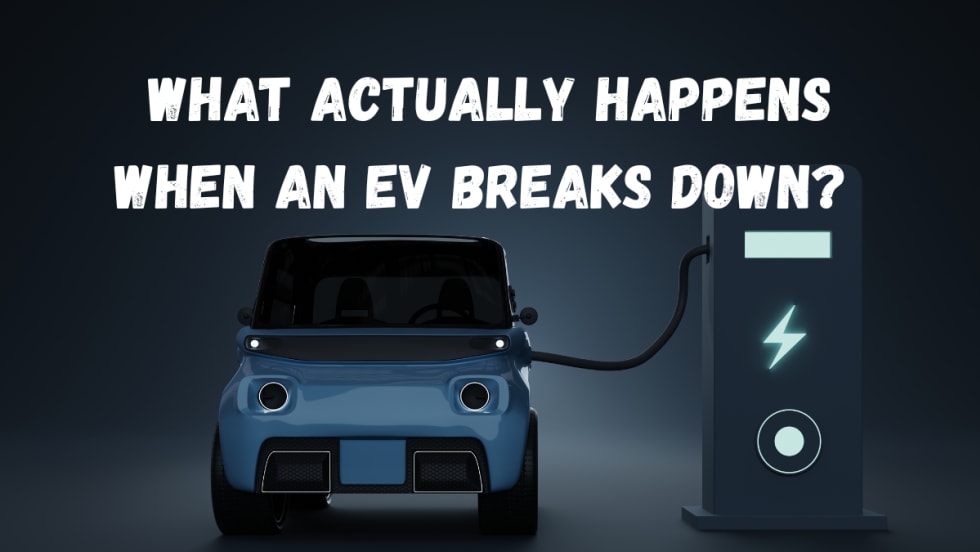
The EV Breakdown Nobody's Talking About: Why Most Electric Vehicle Roadside Calls Aren't Mechanical Failures
Here's why EV breakdowns are widely misunderstood.
Read More →
ChargePoint Now Available in Energy Pass
ChargePoint and additional planned charging network integrations were added to GM's Energy Pass.
Read More →

First Look: Slate Auto's Electric Fleet Pickup
Could an affordable, modular EV pickup make electrification more practical for fleets?
Read More →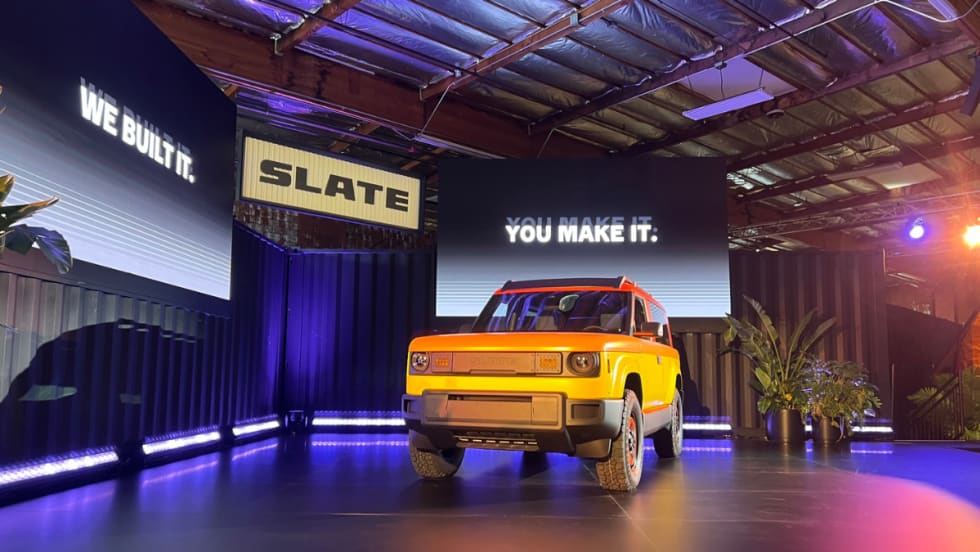
Slate Debuts Colorful, Unique EV Models
A recent media and client event, studded with electric vehicles dressed up on platforms, planted a new position for the manufacturer in the wider EV market. Fleets will find cost-saving advantages.
Read More →
Slate Electric SUV, Pickup Switchable Model Aims For Light-Duty Fleets
Everything about this EV is counterintuitive and understated, making it stand out from the crowd.
Read More →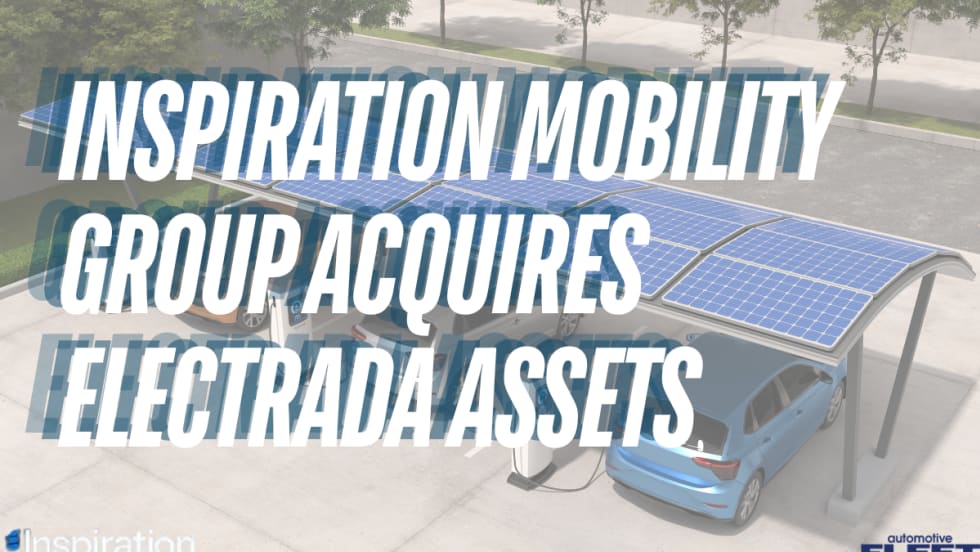
Inspiration Mobility Acquires Key Electrada Assets
Inspiration Mobility Group has acquired select assets of Electrada, adding the fleet electrification provider's team, technology, and charging infrastructure development capabilities to its energy management business.
Read More →
Turning Connected Vehicle Data Into Decisions That Matter
Fleet leaders have more data than ever, but turning that data into clear, actionable decisions remains a challenge. This white paper shows how leading organizations are using connected vehicle data to improve safety, reduce costs, and optimize fleet performance. Learn how to turn insight into action across your fleet.
Read More →
Are You Tracking Your Fleet's True Total Cost of Ownership?
Bobit Business Media surveyed 190 fleet professionals and found that while most fleets are tracking costs, fragmented systems and data gaps are keeping true TCO visibility out of reach. With rising pressure to control spend in an increasingly volatile environment, the gap between what fleets think they know and what the data actually shows is wider than you might expect. See how your peers are managing costs today and where the industry still has room to improve.
Read More →