




Georgia Power Saves Money With Fixed-Price Fuel Program
The company went on PS Energy's fixed-price program when fuel prices were much lower last year, and the move paid off. The company also uses PS Energy's Emergency Fueling Program.
PS Energy manages the fuel inventory for Georgia Power's on-site stations. "It's worked out well for us. It's one less thing for me to manage," said Truitt Eavenson, fleet manager for Georgia Power.
When prices were much lower last year, the fleet department at Georgia Power went on PS Energy's fixed-price fuel program for a 12-month period.
"I wish we had locked in for three years instead of one," said Truitt Eavenson, who oversees a fleet of about 4,700 vehicles as manager of fleet operations for Georgia Power in Atlanta. Since then, fuel prices have risen dramatically. "You can imagine what that program saved us," he said.
The fixed-price program offers fleets an option of paying one fixed price for a certain number of gallons of fuel over a certain period of time. This enables the company to project its fuel costs for the coming year.
Since its 12-month period on the fixed-price program ended, Georgia Power has signed on to the program again, for another six months. The six-month program is for a percentage of Georgia Power's fuel that is used in its on-site fueling facilities that are located at some of its 60 headquarters buildings throughout Georgia, and also for all of its retail fueling. Eavenson said Georgia Power went on the program for the winter period, reasoning that when the price of heating oil goes up, so does the price of fuel. The federal government's recent decision to tap into its fuel reserves also factored into the decision, Eavenson said.
"We rely on PS Energy to help us make those decisions," Eavenson said. "We work closely with them to watch the market to save on fuel costs."
Program Helps with Fueling During Emergencies
Georgia Power also uses PS Energy's Emergency Fueling Program, which is designed for utility companies and disaster response organizations and provides relief options when conventional fueling is difficult or unavailable. The program recruits and manages the logistics of manpower, equipment and fuel for utilities to minimize the effects of floods, tornadoes, hurricanes, and other crises.
During Hurricane Floyd last year, the entire city of Savannah, GA, was evacuated. Georgia Power is a sister company to Savannah Power, and other companies such as Duke Power and Carolina Power and Light asked Georgia Power for assistance.
"All of the gas stations ran out of fuel," Eavenson said.
Georgia Power used a shopping center parking lot as a "staging center" to park its trucks, and PS Energy brought a fueling truck to the location at night, so the Georgia Power vehicles were ready to go in the morning. PS Energy provided the same service to Georgia Power about two years ago when a tornado hit the Atlanta area.
PS Energy Manages Fuel Inventory for Georgia Power
PS Energy administers the Wright Express fuel card program for Georgia Power. The program is for on-site facilities and off-site at retail locations that accept the Wright Express card. The fuel tanks at the on-site facilities are owned by Georgia Power and managed by PS Energy, which decides when to deliver more fuel to keep the tanks full.
More Operations

Moventum Fleet Management Names Mark Iorillo Head of Sales
Iorillo brings nearly 20 years of fleet management and sales experience to the role, including previous positions at Element Fleet Management, CEI, Donlen and Ryder.
Read More →
Fleet Has a Talent Pipeline Problem. What Comes Next? | AF News Recap
Where will fleet’s next generation of leaders come from? This week, we’re looking at the industry’s talent pipeline, what certification can add to a fleet career, how to build an award-worthy track record, and the return of Automotive Fleet’s Personal Use Survey.
Read More →
Smith System Launches Driver Risk Management Program
Fleets have more driver data than ever, but identifying risky behavior doesn't necessarily correct it. Smith System's new Driver Risk Management program combines monitoring, training, and follow-up coaching to help fleets connect risk signals with driver intervention.
Read More →
Automotive Fleet Opens 2026 Personal Use Survey for Commercial Fleet Managers
Less than two weeks left! Commercial and corporate fleet managers are invited to share how their organizations handle company vehicle personal-use policies, charges, and driver eligibility.
Read More →
From AI Prompts to AI-Generated Safety Songs | AF News Recap
Can better prompts make AI more useful for fleet managers? This week, we’re breaking down smarter fleet analysis, an AI-assisted experiment that turned safety training into music, and what happened to fuel prices in August.
Read More →
How to Write Better AI Prompts for Fleet Analysis
Include these six elements in your fleet prompts to generate more relevant analysis and accurate answers.
Read More →
Fleet Meets: Eric Kilgore
This edition of the Fleet Meets series features one of the industry's best leaders driving multi-market and national operations.
Read More →
Why Reactive Fleet Management Is Becoming Too Expensive to Sustain
Research highlights a growing need for proactive management strategies to address rising costs in fleet operations effectively.
Read More →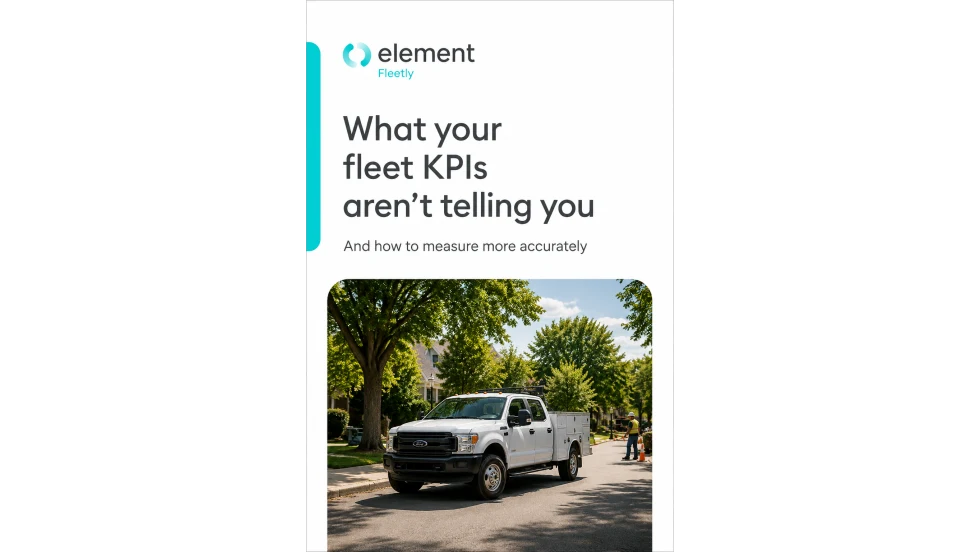
What Your Fleet KPIs Aren’t Telling You
Tracking fleet metrics is only useful when the data leads to better decisions. This guide helps fleet leaders assess cost, utilization, and downtime more accurately, identify performance gaps, and prioritize the actions that can improve operational results.
Read More →
Hidden in Plain Sight: Fleet Compliance Risks
Fleet compliance isn't just about having policies — it's about consistently enforcing them. This practical guide reveals six hidden compliance risks common in public sector and shared fleet operations and outlines proven strategies to improve visibility, accountability, and audit readiness
Read More →