




Fuel Quality a Top Priority When Switching to Biodiesel
The City and County of San Francisco converted all of their diesel-powered vehicles to B-20, testing the quality of the fuel at each stage of transport.

Fuel quality was Marty Mellera’s focus when the City and County of San Francisco began converting all of their diesel vehicles to B-20 (20-percent biodiesel). Mellera, who manages emissions reduction and sustainability programs for the San Francisco Municipal Transportation Authority (MTA), is one of about 15 fleet managers throughout various city and county departments.
When using biodiesel, it’s important to test the fuel once it has been delivered. Fluctuations in temperature during trans-port can affect the biodiesel quality. Additionally, if the rail car delivering the biodiesel recently carried gasoline, that can also negatively affect the quality of the biodiesel, Mellera says. Once the fuel gets to San Francisco, the MTA tests the fuel in the field and with a more comprehensive lab test.
"We look at the blending and actual delivery and handling procedures to make sure nothing but the best fuel arrives in our tanks," Mellera said.
Other fleet managers in the City and County of San Francisco implemented similar procedures in 2006 after San Francisco Mayor Gavin Newsom directed City officials to increase use of biodiesel fuel in the City’s fleet.
The City and County began a program to convert all diesel vehicles to B-20. The biodiesel is made from virgin soy oil purchased from Midwest producers. Coordinating the switch for the City’s 1,500 diesel-powered vehicles, from ambulances to street sweepers and more, is a challenging task because it involves about 10 to 15 fleet managers located in various departments. The departments include the City’s Public Utilities Commission, the Port of San Francisco, the Public Works and Parks and Recreation departments, and the San Francisco MTA.
Getting Started
The City and County of San Francisco already operated one of the largest alternative-fuel fleets in the country, with more than 800 light-duty vehicles, including compressed natural gas (CNG), hybrid-electric vehicles (HEVs), plug-in hybrids (PHEVs), and some battery-electric zero-emission vehicles (ZEVs). Some of the city’s medium- and heavy-duty vehicles also ran on CNG. In 2005, the U.S. Senate awarded the city’s Department of Environment a Conservation Champion Award, citing the City’s use of alternative-fuel vehicles. When the city began the switch to biodiesel, City officials were at least familiar with the task of transitioning to an alternative fuel.
To begin the switch to biodiesel, the City conducted a pilot program to use B-20 with a handful of San Francisco Fire Department vehicles. After the pilot went smoothly, Vandana Bali, clean vehicles and alternative fuels manager for the City & County of San Francisco’s Department of the Environment, was tapped to oversee implementation of the mayor’s directive.
Bali assembled a team of the city fleet managers and received input from consultants and cities that had tried switching to biodiesel before. Meeting the federal fuel quality standards for biodiesel was crucial. Bali and the team worked to ensure proper preparation of the fuel storage tanks that would hold the biofuel.
Fuel Quality a Top Priority
Bali agreed with Mellera that ensuring the best fuel quality was a top priority. One of Bali’s main tasks was to ease the concerns of people who remembered the City of Berkeley, Calif.’s attempt to switch to B-99 biodiesel five years ago. Berkeley officials were forced to cut the program short after bad fuel clogged engine filters and fuel injection pipes in some vehicles.
"I had to work hard to inform people of what really happened there," Bali said. She talked to fleet managers from cities that switched to biodiesel successfully, as well as cities that had problems. "I shared those case studies with the fleet managers in the City. We’ve had a few years of experience watching what other cities have done, and we learned a lot from their mistakes."
The San Francisco MTA worked to ensure proper fuel quality. Mellera over-sees about 525 buses, in addition to some 76 cars and trucks. He says the MTA has evaluated different alternative-fuel technologies for years, including natural gas, fuel cells, and battery-powered vehicles. The MTA more recently purchased hybrid-electric buses, then retrofitted its existing diesel buses with exhaust filters. The next step was to clean up the fuel.
"That’s what led us to biodiesel," Mellera said. "It’s crucial to start with a clean slate when you start with biodiesel because it’s a cleaner fuel, but like any fuel it can cause problems if it’s not implemented correctly."
Testing the fuel at all stages of trans-port is crucial, Mellera said. The MTA tests the fuel where it’s produced and when it arrives. The department also constantly tests its own storage tanks.
Before using the fuel in all its diesel-powered vehicles, the MTA conducted a six-month pilot program to evaluate the fuel in 40 buses. The department evaluated differences between the 40 buses using biofuel and the remaining fleet vehicles in the areas of fuel, engine or exhaust problems. No problems were found, so the department began using biodiesel in all 600 vehicles.
"The facilities and the vehicles at that point were ready to go, so our focus was, and is going forward, fuel quality," Mellera said. "That’s the big asterisk when you talk about biodiesel programs."
Preparing the Fuel Infrastructure
Biodiesel has a solvent effect that may release deposits accumulated on tank walls and pipes from previous diesel fuel storage, according to the National Biodiesel Board. The release of deposits may clog filters initially, and precautions should be taken. Bali says it is necessary to take precautions with the tanks that store the fuel, as well as with the actual vehicle fuel tank.
On the fuel storage tank side, draining the entire tank of all existing fuel is necessary. The tank just needs to be cleaned and polished.
On the vehicle side, Bali said fleet managers instructed shop maintenance staff to closely monitor vehicle filters and hoses for the first month or two because they may get clogged. "It’s actually really nice," Bali said. "Many fleet managers reported improved performance. So there were lots of lessons learned from this whole process."
Looking to the future, Bali said she would like to see a sustainable feedstock source available to the City, that the City could turn into biofuel to power its fleet. Sustainable feedstock does not negatively use natural resources and can be reused or recycled into another applications, Bali said. An example is waste grease from restaurants. The San Francisco Public Utilities Commission already runs a program to pick up fats, oil, and grease from restaurants to use as fuel. "We don’t want that to go down the drain," Bali said. "We’d rather take it, filter it, and turn it into biofuel."
More Green Fleet

EV Charging Use Is Outpacing Infrastructure Growth
ChargePoint’s 2026 Charging Forward Report points to rising charger use, higher-powered charging, commercial vehicle electrification, and energy-management technology. Here’s what fleets should know.
Read More →
Merchants Fleet Reports 290M EV Miles as Fleets Navigate Changing Electrification Market
From millions in operating savings to hundreds of millions of EV miles, Merchants Fleet’s latest report reveals what’s working and what’s changing in fleet electrification.
Read More →
The EV Breakdown Nobody's Talking About: Why Most Electric Vehicle Roadside Calls Aren't Mechanical Failures
Here's why EV breakdowns are widely misunderstood.
Read More →
ChargePoint Now Available in Energy Pass
ChargePoint and additional planned charging network integrations were added to GM's Energy Pass.
Read More →

First Look: Slate Auto's Electric Fleet Pickup
Could an affordable, modular EV pickup make electrification more practical for fleets?
Read More →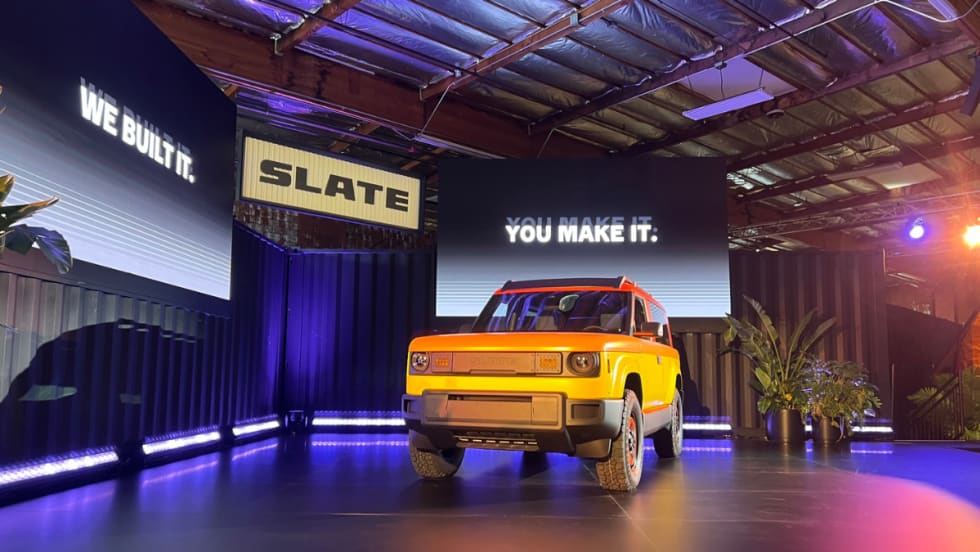
Slate Debuts Colorful, Unique EV Models
A recent media and client event, studded with electric vehicles dressed up on platforms, planted a new position for the manufacturer in the wider EV market. Fleets will find cost-saving advantages.
Read More →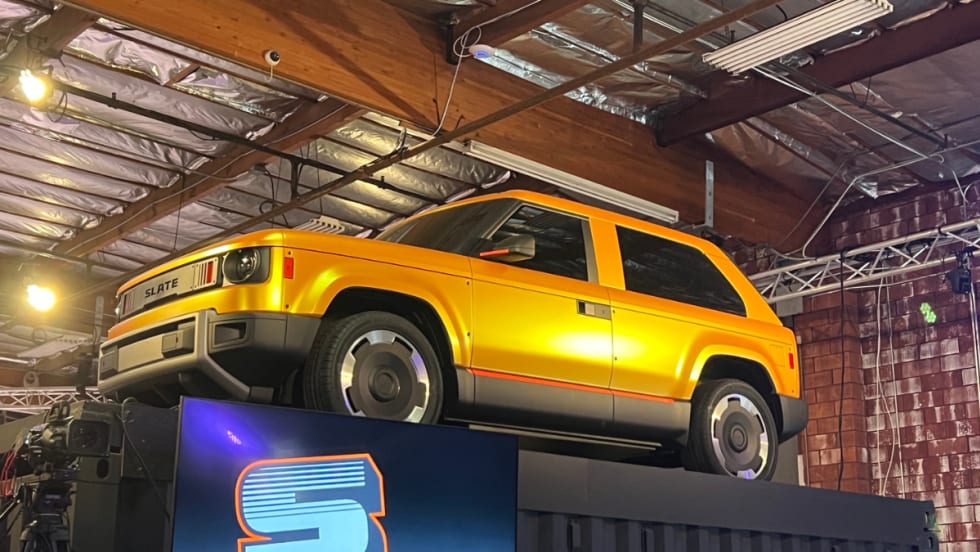
Slate Electric SUV, Pickup Switchable Model Aims For Light-Duty Fleets
Everything about this EV is counterintuitive and understated, making it stand out from the crowd.
Read More →
Inspiration Mobility Acquires Key Electrada Assets
Inspiration Mobility Group has acquired select assets of Electrada, adding the fleet electrification provider's team, technology, and charging infrastructure development capabilities to its energy management business.
Read More →
Turning Connected Vehicle Data Into Decisions That Matter
Fleet leaders have more data than ever, but turning that data into clear, actionable decisions remains a challenge. This white paper shows how leading organizations are using connected vehicle data to improve safety, reduce costs, and optimize fleet performance. Learn how to turn insight into action across your fleet.
Read More →